



Raised or projecting fixing
Mark the location in the enquiry and keep the area clear. Do not assume a fixing can safely be driven back without checking its support.
Melbourne handyman & property maintenance
Deck / outdoor · Calder Park
A useful deck board repair enquiry in Calder Park shows more than a close-up of the damage. From a safe position, show the affected boards, edges, fixings and adjoining layout; include approximate dimensions and known product details. Whether the issue involves individual deck boards, loose fixings and suitable non-structural edge defects, the aim is to agree a practical scope that suits the existing material and its condition.
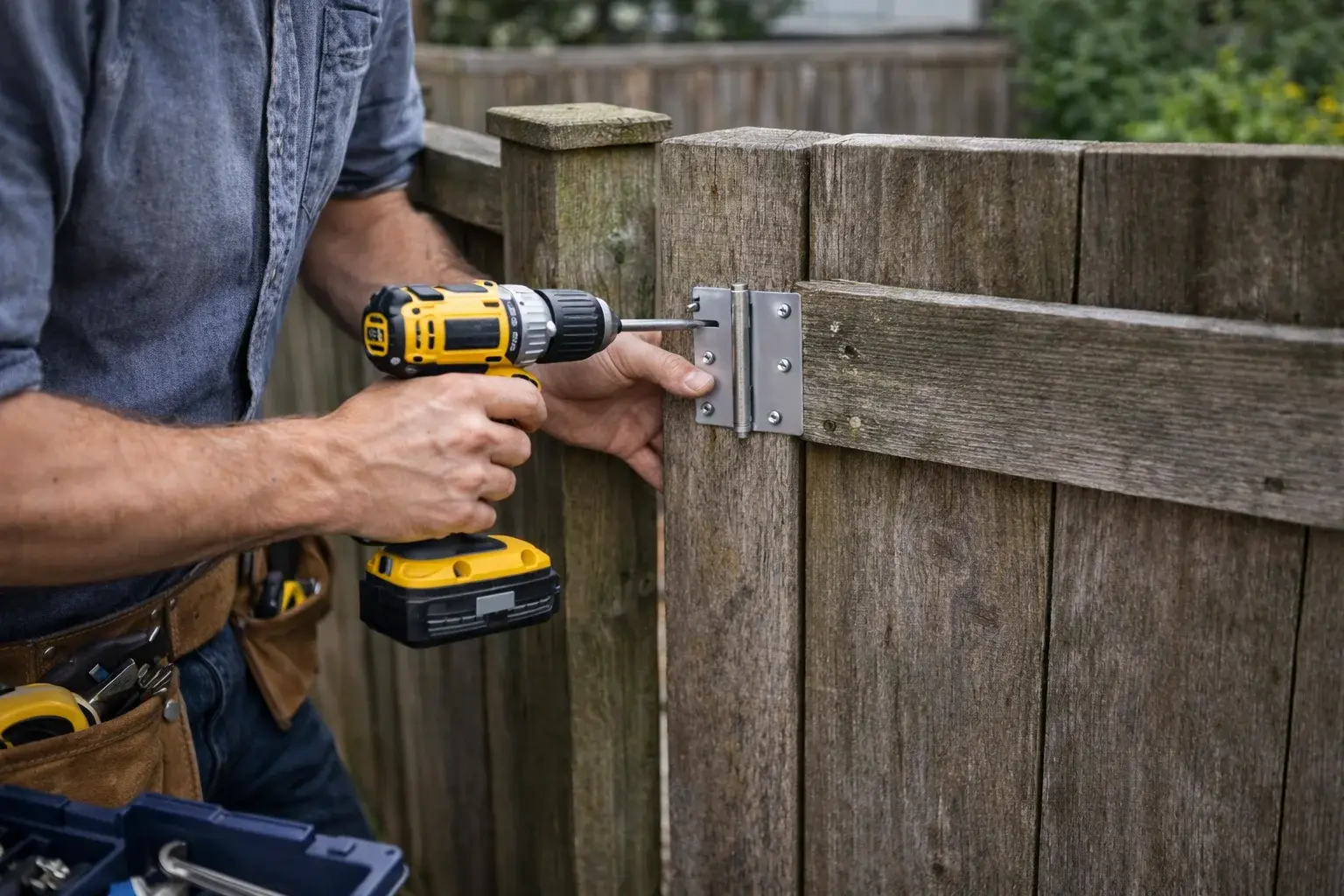
Deck Board Repair
individual deck boards, loose fixings and suitable non-structural edge defects
Calder Park property context
Your Calder Park address establishes the location; photographs establish the repair scope. The suburb alone does not tell us the age, construction or condition of the property. From a safe position, show the affected boards, edges, fixings and adjoining layout; include approximate dimensions and known product details. Mention any previous repair or change you have noticed. For a Calder Park quote, describe each task separately and note height, parking, tenant access or preferred appointment windows. This gives the Owner enough context to assess the request without collecting unnecessary personal information.
Service overview
Keep people clear of visibly damaged sections and take photographs only from a safe position. Explain access, furniture and how the deck is normally used. Do not lift boards or step onto a questionable area to inspect the structure for the quote.
Finishing is part of the planning conversation. Replaced timber may look different from surrounding weathered boards, and preparation or coating work is not automatically included. Discuss the intended result and any drying or product requirements before booking.
Loose fixings, split ends and damaged edges can call for different repairs. Identify each affected board and where the problem occurs. That helps distinguish a limited surface-level task from a broader deterioration issue that needs another specialist.
Common repair scenarios
Mark the location in the enquiry and keep the area clear. Do not assume a fixing can safely be driven back without checking its support.
Show the fixing and surrounding timber. A secure repair depends on suitable support rather than simply adding another screw.
Show the complete edge and any attached trim. Non-structural finishing pieces need to be distinguished from supports.
Photograph the split and how the board meets nearby pieces. Its extent and support affect whether local repair or replacement is practical.
Identify its position and approximate dimensions. Include the adjoining boards so material and layout can be reviewed.
Multiple deteriorated boards may indicate a wider concern. Explain the visible pattern without walking onto unsafe areas or lifting boards.
How it works
From a safe position, show the affected boards, edges, fixings and adjoining layout; include approximate dimensions and known product details.
Determine whether individual non-structural board or fixing work is suitable and whether support concerns require another specialist.
Agree the boards or fixing points, compatible materials and finish boundaries before arranging the limited repair.
Confirm access to your Calder Park property, protect nearby belongings and agree any preparation before the visit.
Follow agreed use and coating instructions; any remaining deterioration or support concerns need separate attention.
Why Fix Nik
Dimensions, finish and the condition around the damaged part are reviewed together. Compatible replacement material matters more than a close visual resemblance.
From a safe position, show the affected boards, edges, fixings and adjoining layout; include approximate dimensions and known product details. Clear images help identify the questions that need answering.
Agree the boards or fixing points, compatible materials and finish boundaries before arranging the limited repair. The quoted task should be clear before the repair starts.
FAQ
Explain what was changed, roughly when it was done and whether the same fault has returned. Determine whether individual non-structural board or fixing work is suitable and whether support concerns require another specialist. A repeated problem may point to an unresolved cause, and that history helps avoid agreeing another purely cosmetic treatment.
No. A board-repair enquiry is not a structural inspection or certification. Suspected support damage or instability requires the appropriate specialist assessment.
The approved service covers suitable individual boards and fixings. Any finishing request must be discussed separately; a full sanding or oiling service is not implied by this page.
Individual boards can be considered where the surrounding deck and support are suitable. Widespread deterioration changes the scope and may make a limited repair inappropriate.
Yes. Describe what you have noticed, when it started and whether it has changed. Determine whether individual non-structural board or fixing work is suitable and whether support concerns require another specialist. Photos support an initial discussion, but a firm repair decision may still depend on seeing the material in person.
Any finishing work needs to be identified in the quote. Existing coatings, colour differences and drying stages may affect the result. Follow agreed use and coating instructions; any remaining deterioration or support concerns need separate attention. Exact matching to an aged or unknown finish cannot be assumed from a photograph.
Determine whether individual non-structural board or fixing work is suitable and whether support concerns require another specialist. The proposed materials, extent of the repair and any finish preparation should be agreed before work starts. A photo enquiry helps identify questions to resolve rather than promising a fixed solution without inspection.
From a safe position, show the affected boards, edges, fixings and adjoining layout; include approximate dimensions and known product details. Include your Calder Park address and access details so suitable work can be discussed.