



Several soft areas
Multiple deteriorated boards may indicate a wider concern. Explain the visible pattern without walking onto unsafe areas or lifting boards.
Melbourne handyman & property maintenance
Deck / outdoor · Inverloch
Arrange deck board repair for your Inverloch property with a clear description of the fault. From a safe position, show the affected boards, edges, fixings and adjoining layout; include approximate dimensions and known product details. Fix Nik can assess suitable work involving individual deck boards, loose fixings and suitable non-structural edge defects, explain what affects the repair and identify when a different specialist is needed.
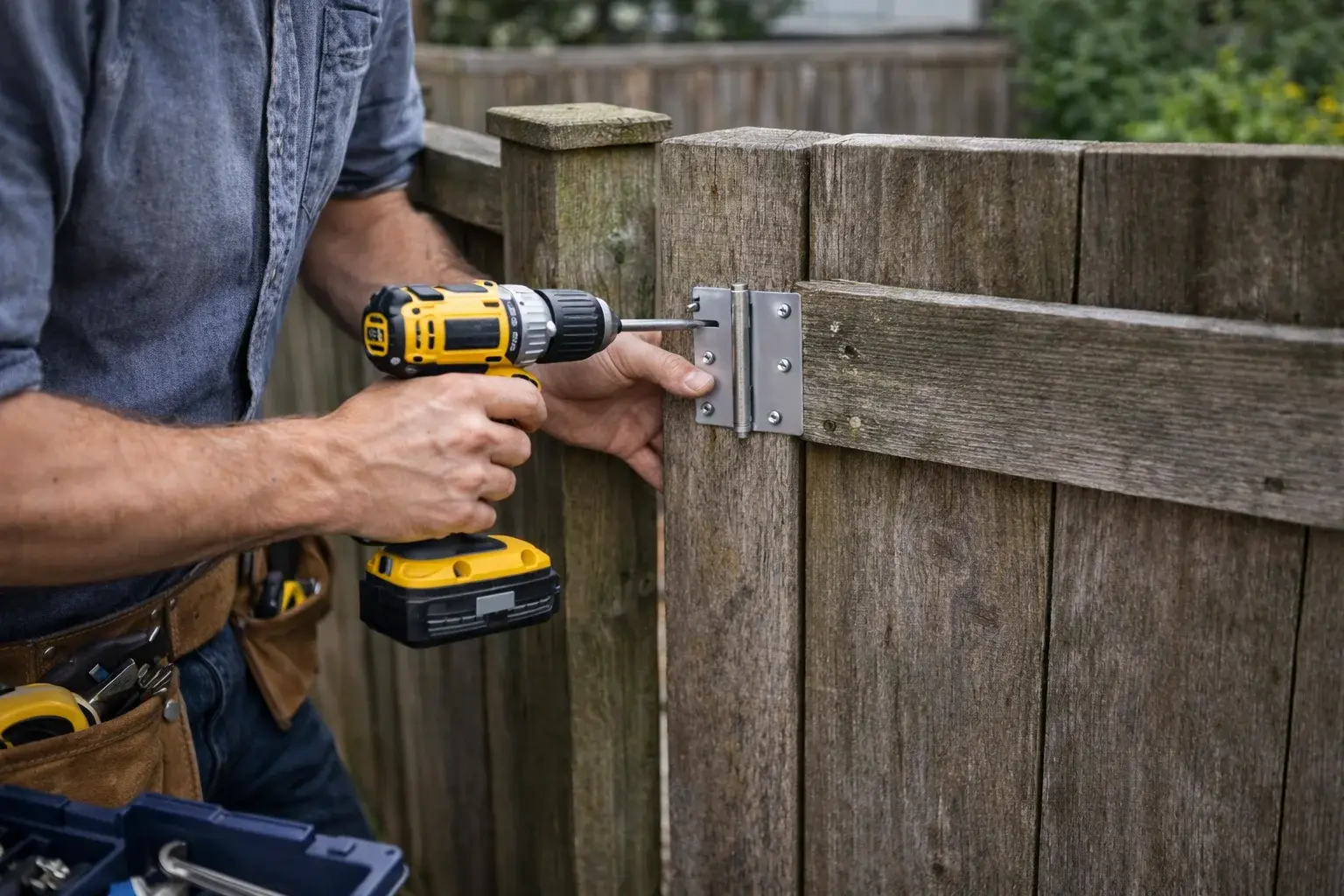
Deck Board Repair
individual deck boards, loose fixings and suitable non-structural edge defects
Inverloch property context
Planning deck board repair at an occupied Inverloch property includes access as well as materials. Tell Fix Nik whether the work is inside or outside and whether the space needs to stay usable between stages. Follow agreed use and coating instructions; any remaining deterioration or support concerns need separate attention. Homes around Inverloch can combine established building materials with newer fittings and outdoor elements. A useful maintenance request identifies the affected surface or fixture, its condition and the result required, helping distinguish a straightforward handyman task from work that needs a licensed specialist.
Service overview
Board condition and support need to be considered together. Securing a loose board to unsuitable material beneath it is not a lasting solution. Photos can show visible defects, but they cannot prove the condition of concealed supports or establish that the whole deck is safe.
An isolated damaged board does not always mean every part of a deck needs replacement. Fix Nik reviews suitable individual deck-board and fixing repairs where the underlying structure is sound, keeping the scope separate from structural deck work.
Loose fixings, split ends and damaged edges can call for different repairs. Identify each affected board and where the problem occurs. That helps distinguish a limited surface-level task from a broader deterioration issue that needs another specialist.
Common repair scenarios
Multiple deteriorated boards may indicate a wider concern. Explain the visible pattern without walking onto unsafe areas or lifting boards.
Identify its position and approximate dimensions. Include the adjoining boards so material and layout can be reviewed.
Show the complete edge and any attached trim. Non-structural finishing pieces need to be distinguished from supports.
Show the fixing and surrounding timber. A secure repair depends on suitable support rather than simply adding another screw.
Separate board work from sanding or coating requests. The approved scope is individual suitable boards and fixings, not an assumed full refurbishment.
Photograph the split and how the board meets nearby pieces. Its extent and support affect whether local repair or replacement is practical.
How it works
From a safe position, show the affected boards, edges, fixings and adjoining layout; include approximate dimensions and known product details.
Determine whether individual non-structural board or fixing work is suitable and whether support concerns require another specialist.
Agree the boards or fixing points, compatible materials and finish boundaries before arranging the limited repair.
Confirm access to your Inverloch property, protect nearby belongings and agree any preparation before the visit.
Follow agreed use and coating instructions; any remaining deterioration or support concerns need separate attention.
Why Fix Nik
Agree the boards or fixing points, compatible materials and finish boundaries before arranging the limited repair. The quoted task should be clear before the repair starts.
Dimensions, finish and the condition around the damaged part are reviewed together. Compatible replacement material matters more than a close visual resemblance.
From a safe position, show the affected boards, edges, fixings and adjoining layout; include approximate dimensions and known product details. Clear images help identify the questions that need answering.
FAQ
Individual boards can be considered where the surrounding deck and support are suitable. Widespread deterioration changes the scope and may make a limited repair inappropriate.
The person responsible for authorising the work should agree the scope and entry arrangements. Agree the boards or fixing points, compatible materials and finish boundaries before arranging the limited repair. Provide the relevant access contact and explain any restrictions without sharing keys or sensitive entry details in public messages.
Dimensions and material compatibility can be reviewed, but weathering and product variation affect appearance. Exact colour matching is not assumed in a local board repair.
No. Photos help explain visible condition but cannot confirm concealed support or the extent of hidden damage. Structural deck supports, unstable assemblies and major rebuilding are outside this individual board-repair service. Where the repair depends on something that cannot be checked remotely, the limitation should be resolved before proceeding.
Follow agreed use and coating instructions; any remaining deterioration or support concerns need separate attention. If the original symptom returns, note what has changed and share a photo rather than repeatedly adjusting or covering the affected area. Follow any specific guidance agreed for the materials used.
From a safe position, show the affected boards, edges, fixings and adjoining layout; include approximate dimensions and known product details. Include an overall view as well as close-ups so the relationship between the faulty part and its surroundings is clear. Please do not remove components simply to take a photograph.
Determine whether individual non-structural board or fixing work is suitable and whether support concerns require another specialist. The proposed materials, extent of the repair and any finish preparation should be agreed before work starts. A photo enquiry helps identify questions to resolve rather than promising a fixed solution without inspection.
From a safe position, show the affected boards, edges, fixings and adjoining layout; include approximate dimensions and known product details. Include your Inverloch address and access details so suitable work can be discussed.