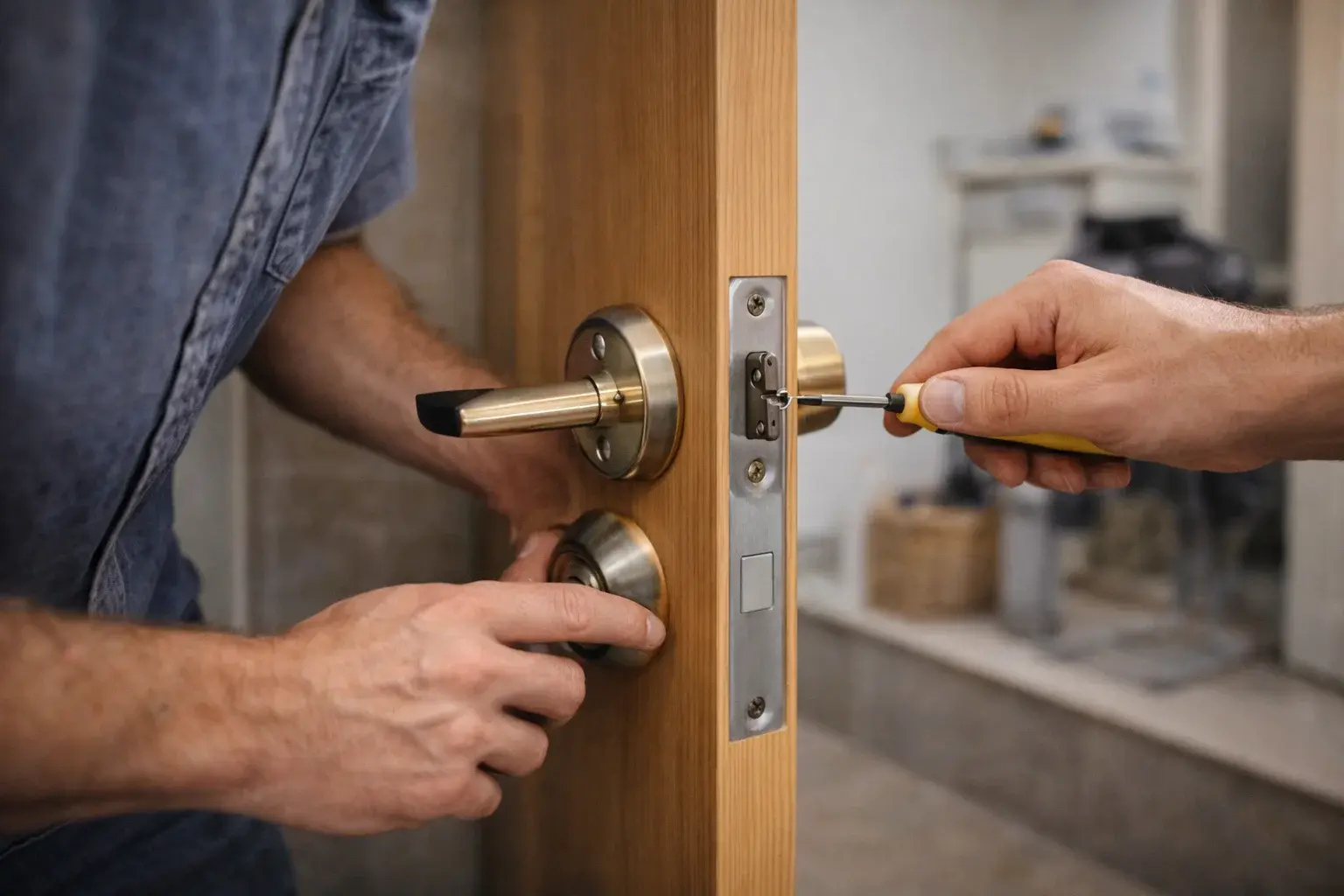




Damaged post cap or trim
Identify the non-structural piece separately from the post itself. Small finishing repairs may have a narrower scope than support repairs.
Melbourne handyman & property maintenance
Fence / gate · Chelsea
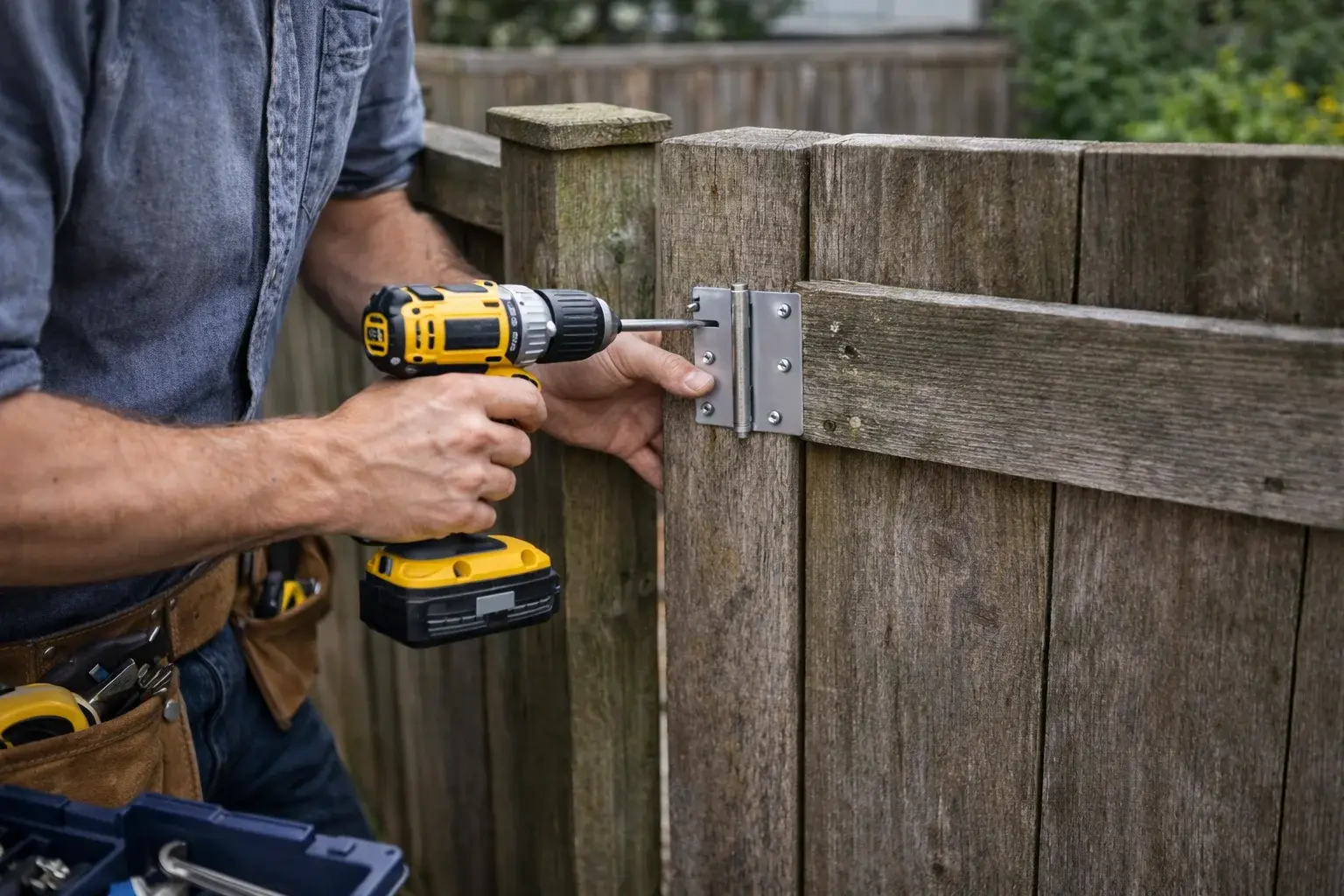
Fence Post Repair in Chelsea starts with identifying what has failed and what can be kept. For suitable isolated fence-post and fixing faults with sound adjoining sections, the visible symptom is only part of the job. Review whether an isolated post or fixing repair is practical with the existing fence condition and stability. Send photos so the proposed scope can be discussed before a visit.
Fence Post Repair
suitable isolated fence-post and fixing faults with sound adjoining sections
Chelsea property context
For a fence post repair visit in Chelsea, describe the actual access to the affected part. A clear work area, permission to carry out the repair and any restrictions on entry help define the visit. Review whether an isolated post or fixing repair is practical with the existing fence condition and stability. Chelsea sits near Edithvale, Bonbeach, Chelsea Heights and Carrum. Fix Nik can review practical maintenance requests across this part of Greater Melbourne, with the job scope and property conditions guiding timing, materials and the appropriate service.
Service overview
Outdoor work also needs a practical view of weather and working space. Send photographs taken from a safe position and identify the affected section. Do not push, pull or dismantle a leaning fence to demonstrate movement, especially where it could fall or affect access.
Visible leaning does not identify its cause on its own. Timber condition, failed fixings and the surrounding assembly need to be considered together. A photo-based review can guide the next step but cannot establish the condition of concealed material or ground support.
Repair is worthwhile only when the existing structure can support it. Reattaching a sound rail is different from dealing with a deteriorated post or a fence that is unstable across several sections. The quote should make that distinction clear before materials or timing are agreed.
Common repair scenarios
Identify the non-structural piece separately from the post itself. Small finishing repairs may have a narrower scope than support repairs.
Show obstacles and explain access arrangements. Work cannot be planned on the assumption that adjoining land is available.
Describe visible deterioration from a safe position. A compromised support needs proper assessment rather than a cosmetic cover.
Show the connection and adjoining timber. A fixing repair depends on sound material at both sides of the connection.
Close views help show the split, but avoid removing screws or boards. The remaining support determines whether local work is suitable.
Photograph the post, gate and hinges together. A gate can place different demands on a connection than an ordinary fence panel.
How it works
Show the full fence section, affected post, rails and connections, plus any attached gate and safe access constraints.
Review whether an isolated post or fixing repair is practical with the existing fence condition and stability.
Confirm the specific connection or small repair area, appropriate materials and access arrangements before scheduling.
Confirm access to your Chelsea property, protect nearby belongings and agree any preparation before the visit.
Review the agreed repaired connection and raise any remaining movement or adjacent deterioration for separate assessment.
Why Fix Nik
Review the agreed repaired connection and raise any remaining movement or adjacent deterioration for separate assessment. Any limitations or finishing stages should be understood before normal use.
Confirm the specific connection or small repair area, appropriate materials and access arrangements before scheduling. The quoted task should be clear before the repair starts.
Review whether an isolated post or fixing repair is practical with the existing fence condition and stability. A repair is considered on its merits rather than assumed from the name of the job.
FAQ
Show the full fence section, affected post, rails and connections, plus any attached gate and safe access constraints. Include an overall view as well as close-ups so the relationship between the faulty part and its surroundings is clear. Please do not remove components simply to take a photograph.
Timing depends on the condition, access and compatible materials rather than the suburb. Confirm the specific connection or small repair area, appropriate materials and access arrangements before scheduling. Preparation, drying or parts availability can affect the sequence. The practical timing is discussed once enough detail is available to define the job.
Do not try to demonstrate or correct movement yourself. The cause, material condition and stability need assessment before a suitable repair method can be discussed.
An isolated fault can be reviewed when the adjoining fence is sound. A deteriorated or unstable support may need more substantial work, so the whole affected section should be shown.
Major fence replacement, unstable structures, retaining structures and specialist pool-barrier work are outside this minor repair scope. Fix Nik first checks whether the request fits the approved minor-work scope. If it does not, the appropriate specialist assessment takes priority over attempting a limited repair that would leave the main problem unresolved.
Explain what was changed, roughly when it was done and whether the same fault has returned. Review whether an isolated post or fixing repair is practical with the existing fence condition and stability. A repeated problem may point to an unresolved cause, and that history helps avoid agreeing another purely cosmetic treatment.
Keeping suitable material can limit disruption, but only when the remaining support and condition allow it. Confirm the specific connection or small repair area, appropriate materials and access arrangements before scheduling. If a small repair would leave the cause unresolved, the replacement or specialist options should be discussed first.
Show the full fence section, affected post, rails and connections, plus any attached gate and safe access constraints. Include your Chelsea address and access details so suitable work can be discussed.