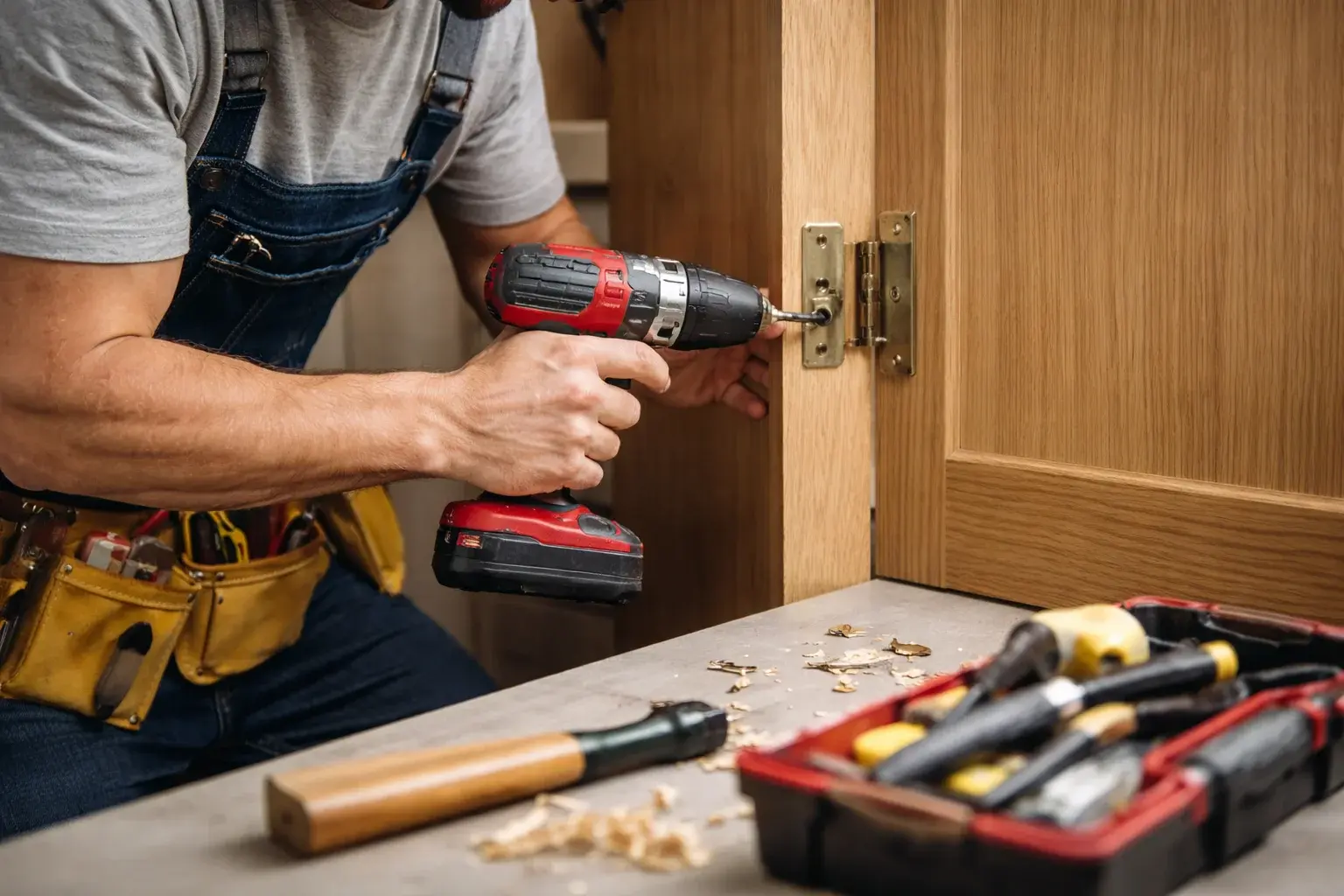
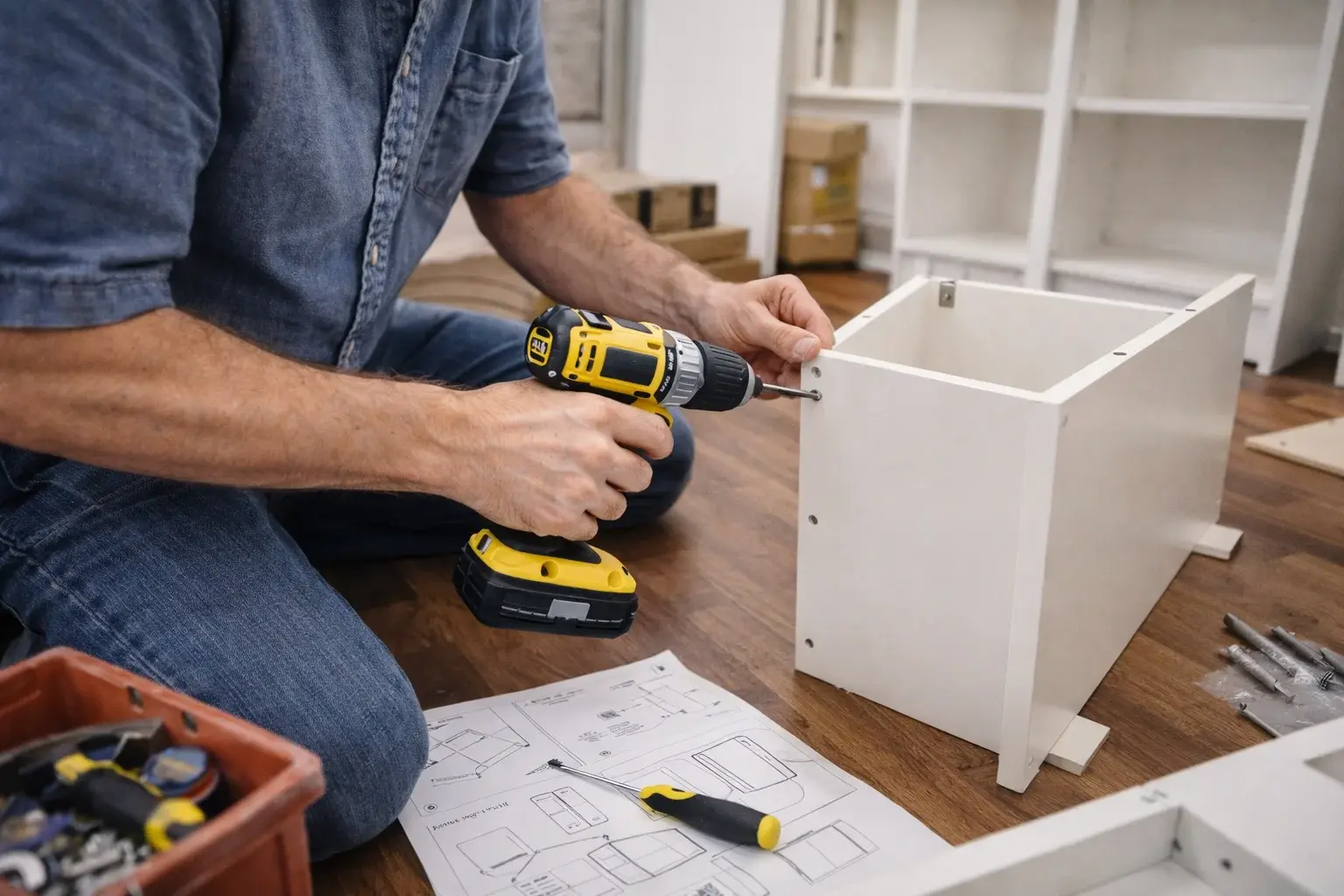
A practical desk assembly decision starts with the affected item, its condition and the surrounding materials. Follow the supplied mechanical assembly sequence, fit compatible furniture accessories and check the agreed positioning and levelling.
Signs: a practical repair list needs the affected item and its condition identified or a visible maintenance item is worn, loose, damaged or no longer works as expected. Causes: conditions that need direct review before a repair option is chosen or loose compatible components or incomplete prior work.
Show the mounting method for a keyboard tray, shelf or cable tray. Accessories need to fit the particular desk and its instructions. Drilling new holes, supporting heavy equipment or adding unrelated brackets requires its own suitability review before inclusion.
Send photographs of the existing joints, loose parts and instructions if the desk is partly built. A cross-threaded bolt or damaged insert can prevent correct tightening. Forcing the joint may make replacement parts necessary instead of allowing a simple adjustment.
The agreed service covers manufacturer-directed assembly of supported desk frames, tops and supplied furniture hardware. Exclusions: Electrical installation, cable relocation, custom joinery, motor/controller repair.