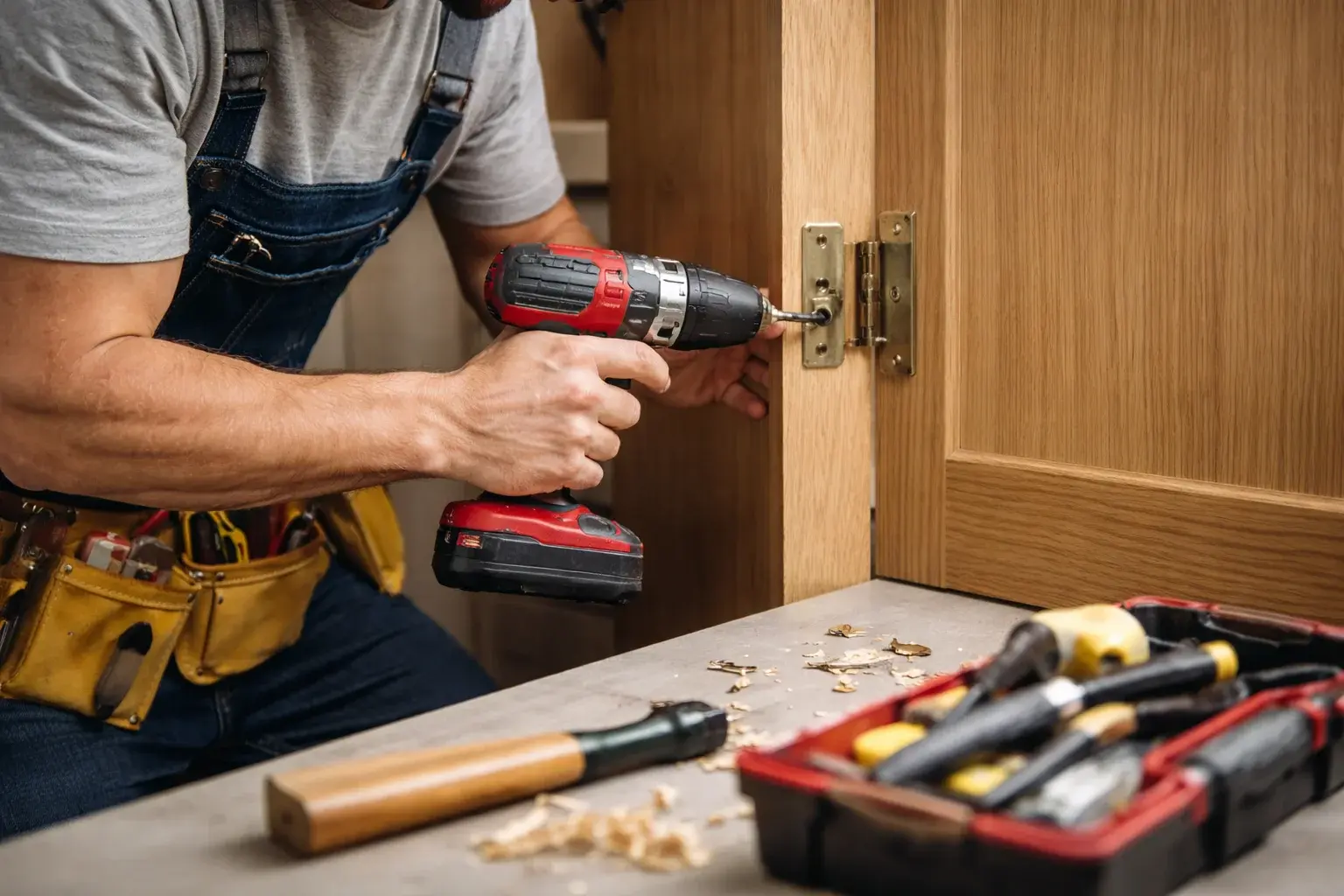
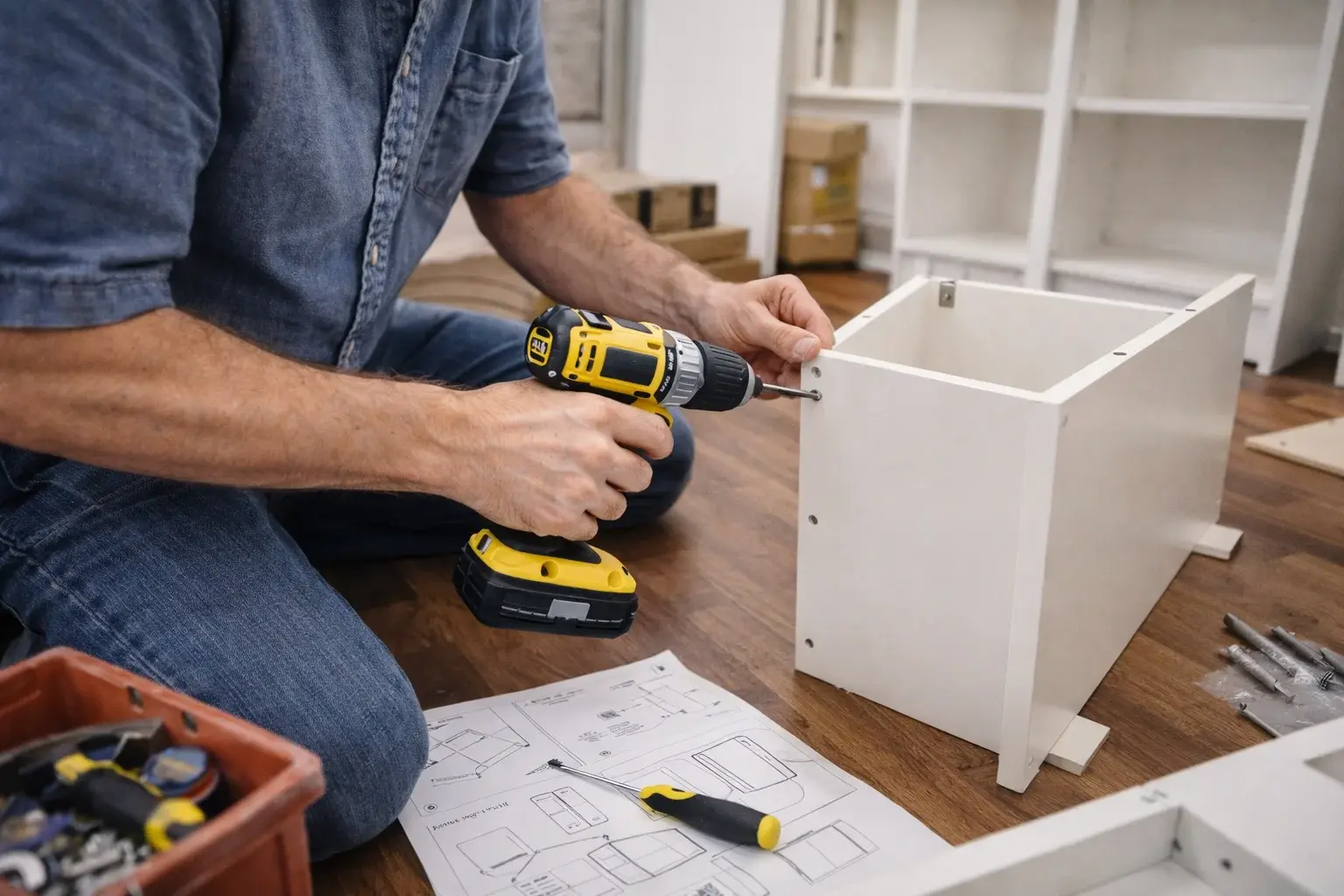
A practical wardrobe assembly decision starts with the affected item, its condition and the surrounding materials. Assemble suitable supplied components in the product sequence, align the doors and review the required restraint against the available wall support.
Signs: a visible maintenance item is worn, loose, damaged or no longer works as expected or a practical repair list needs the affected item and its condition identified. Causes: loose compatible components or incomplete prior work or ordinary use, visible wear or local damage.
Skirting, room doors and nearby power points can affect the final position. Include a wide room photo with your measurements. A freestanding product should not be cut or converted into fitted cabinetry simply because the planned recess is too narrow.
A wardrobe can arrive in separate packs for the frame, doors and internal fittings. Compare carton labels with the delivery list before scheduling. A missing back panel or hardware bag can prevent the next stage even when most of the furniture is present.
The agreed service covers manufacturer-directed assembly, door alignment and suitable anti-tip fixing review. Exclusions: Bespoke fitted wardrobes, room alterations, electrics, glass modifications, unsupported anchoring.