



Door rubs an adjoining panel
Identify where contact occurs during opening or closing. Limited clearance may involve hardware positioning or the cabinet itself.
Melbourne handyman & property maintenance
Carpentry · Lorne
A useful cabinet repair enquiry in Lorne shows more than a close-up of the damage. Photograph the whole cabinet, affected door, inside mounting plates and any product markings, with contents moved only where safe. Whether the issue involves cupboard doors, loose fixings and suitable minor joinery faults, the aim is to agree a practical scope that suits the existing material and its condition.
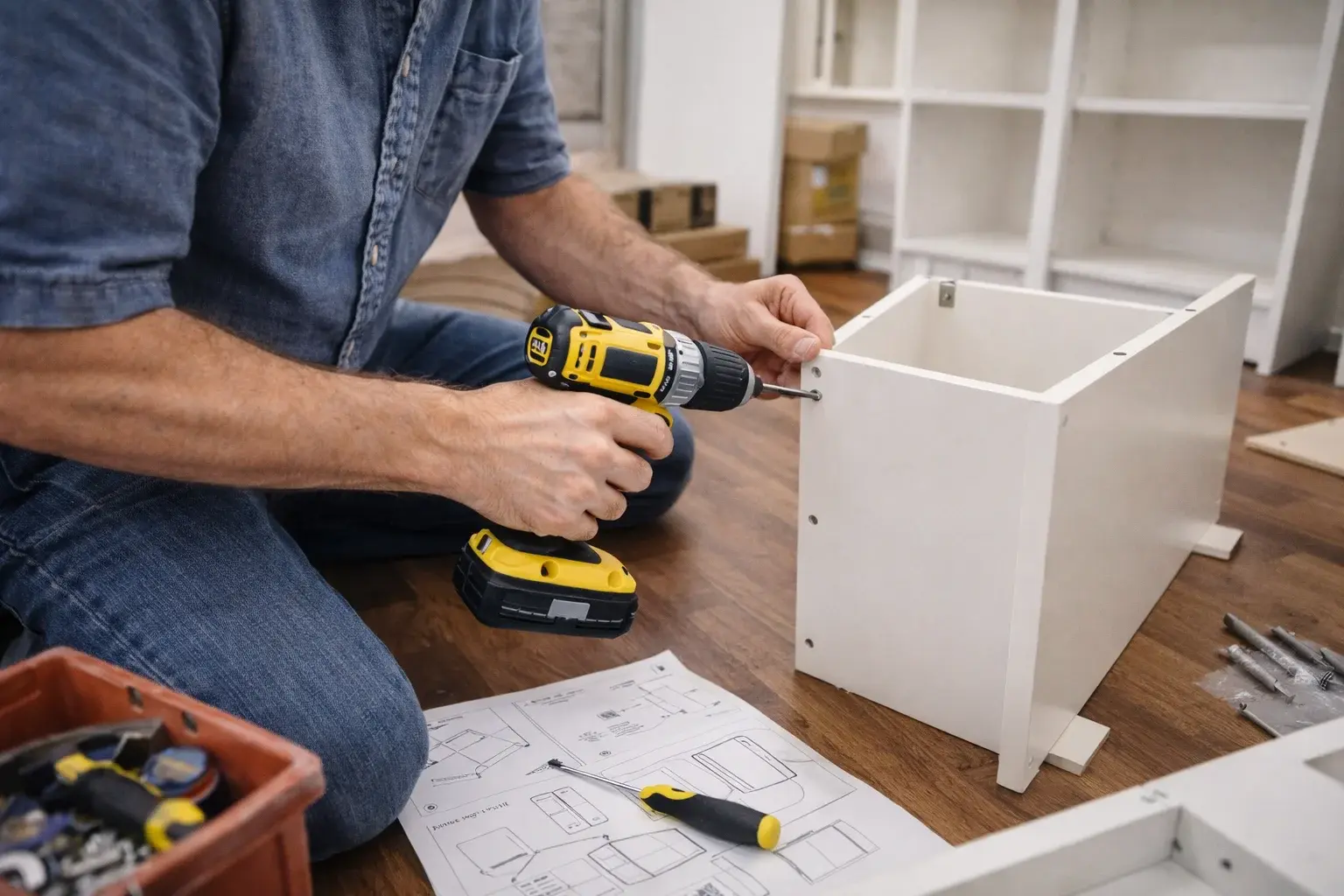
Cabinet Repair
cupboard doors, loose fixings and suitable minor joinery faults
Lorne property context
For a cabinet repair visit in Lorne, describe the actual access to the affected part. A clear work area, permission to carry out the repair and any restrictions on entry help define the visit. Check panel condition, hinge compatibility, fixing support and the relationship between the door and cabinet body. For work in Lorne, include wide and close photographs, approximate dimensions and notes about parking, tenants or site access. Separate urgent faults from cosmetic improvements so materials, sequencing and appropriate services can be considered clearly.
Service overview
Clear the immediate work area only after the preparation requirements are confirmed. Photograph the contents or layout if they explain access constraints, but do not dismantle a damaged unit for a quote. The repair should be followed by checks of the affected door or fitting.
A small repair can be planned alongside other compatible household tasks, but alterations to appliances, services or built-in structures are different scopes. Explain what is fixed to the cabinet and whether plumbing or electrical equipment is nearby before work is agreed.
Door alignment depends on more than the visible hinge. The cabinet body, mounting plates and adjoining doors influence how the front sits. Show the whole unit and identify which door rubs, drops or fails to close rather than sending only an isolated close-up.
Common repair scenarios
Identify where contact occurs during opening or closing. Limited clearance may involve hardware positioning or the cabinet itself.
Explain any water history and whether the source is resolved. Swollen panels or services-related damage can need more than a minor cabinet repair.
Small chips and larger panel failures need different work. Show the depth and whether the damaged section supports a fitting.
Send the old and new fitting details if available. Similar cup or plate shapes do not establish system compatibility.
Include the fixing positions inside the door. Handle work may be straightforward when the panel and holes remain sound.
Show the shelf supports, intended contents and cabinet side. A suitable repair depends on the unit and remaining fixing support.
How it works
Photograph the whole cabinet, affected door, inside mounting plates and any product markings, with contents moved only where safe.
Check panel condition, hinge compatibility, fixing support and the relationship between the door and cabinet body.
Confirm suitable hardware adjustment, fixing repair or minor joinery work, separating any appliance or services tasks.
Confirm access to your Lorne property, protect nearby belongings and agree any preparation before the visit.
Check the repaired door or fitting through normal movement and avoid loading repaired areas before any agreed curing period ends.
Why Fix Nik
Dimensions, finish and the condition around the damaged part are reviewed together. Compatible replacement material matters more than a close visual resemblance.
Photograph the whole cabinet, affected door, inside mounting plates and any product markings, with contents moved only where safe. Clear images help identify the questions that need answering.
Check panel condition, hinge compatibility, fixing support and the relationship between the door and cabinet body. A repair is considered on its merits rather than assumed from the name of the job.
FAQ
Photograph the whole cabinet, affected door, inside mounting plates and any product markings, with contents moved only where safe. Include an overall view as well as close-ups so the relationship between the faulty part and its surroundings is clear. Please do not remove components simply to take a photograph.
Timing depends on the condition, access and compatible materials rather than the suburb. Confirm suitable hardware adjustment, fixing repair or minor joinery work, separating any appliance or services tasks. Preparation, drying or parts availability can affect the sequence. The practical timing is discussed once enough detail is available to define the job.
Any finishing work needs to be identified in the quote. Existing coatings, colour differences and drying stages may affect the result. Check the repaired door or fitting through normal movement and avoid loading repaired areas before any agreed curing period ends. Exact matching to an aged or unknown finish cannot be assumed from a photograph.
Use the quote form with your Lorne address, contact details and a brief description of the problem. Photograph the whole cabinet, affected door, inside mounting plates and any product markings, with contents moved only where safe. Mention any access arrangements so Fix Nik can clarify the work and the next step before a visit is arranged.
Explain what was changed, roughly when it was done and whether the same fault has returned. Check panel condition, hinge compatibility, fixing support and the relationship between the door and cabinet body. A repeated problem may point to an unresolved cause, and that history helps avoid agreeing another purely cosmetic treatment.
Check panel condition, hinge compatibility, fixing support and the relationship between the door and cabinet body. The proposed materials, extent of the repair and any finish preparation should be agreed before work starts. A photo enquiry helps identify questions to resolve rather than promising a fixed solution without inspection.
The person responsible for authorising the work should agree the scope and entry arrangements. Confirm suitable hardware adjustment, fixing repair or minor joinery work, separating any appliance or services tasks. Provide the relevant access contact and explain any restrictions without sharing keys or sensitive entry details in public messages.
Photograph the whole cabinet, affected door, inside mounting plates and any product markings, with contents moved only where safe. Include your Lorne address and access details so suitable work can be discussed.