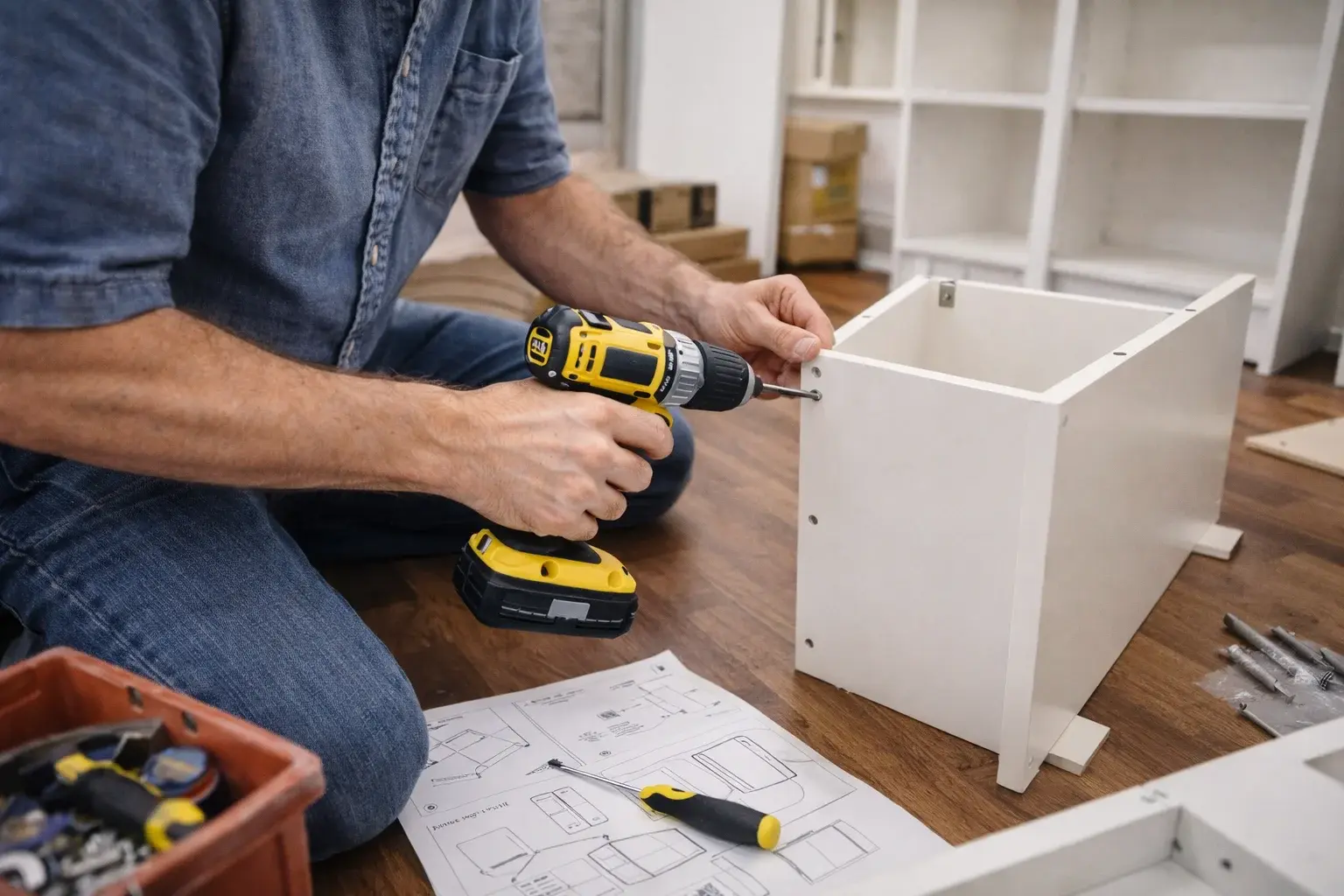




Access arranged
Clear the immediate working area where safe and explain heavy furniture or restricted entry. For rentals or managed properties, agree the appropriate permission and identify the person who can provide access.
Melbourne handyman & property maintenance
Furniture repair · Wantirna South
For minor furniture repair at your Wantirna South property, start with the product and the practical requirements. Loose hardware must be distinguished from a failed load-bearing component. Stability concerns need assessment before continued use. Fix Nik reviews suitable work involving small mechanical fixing repairs and adjustments to suitable household furniture and confirms the scope before scheduling.
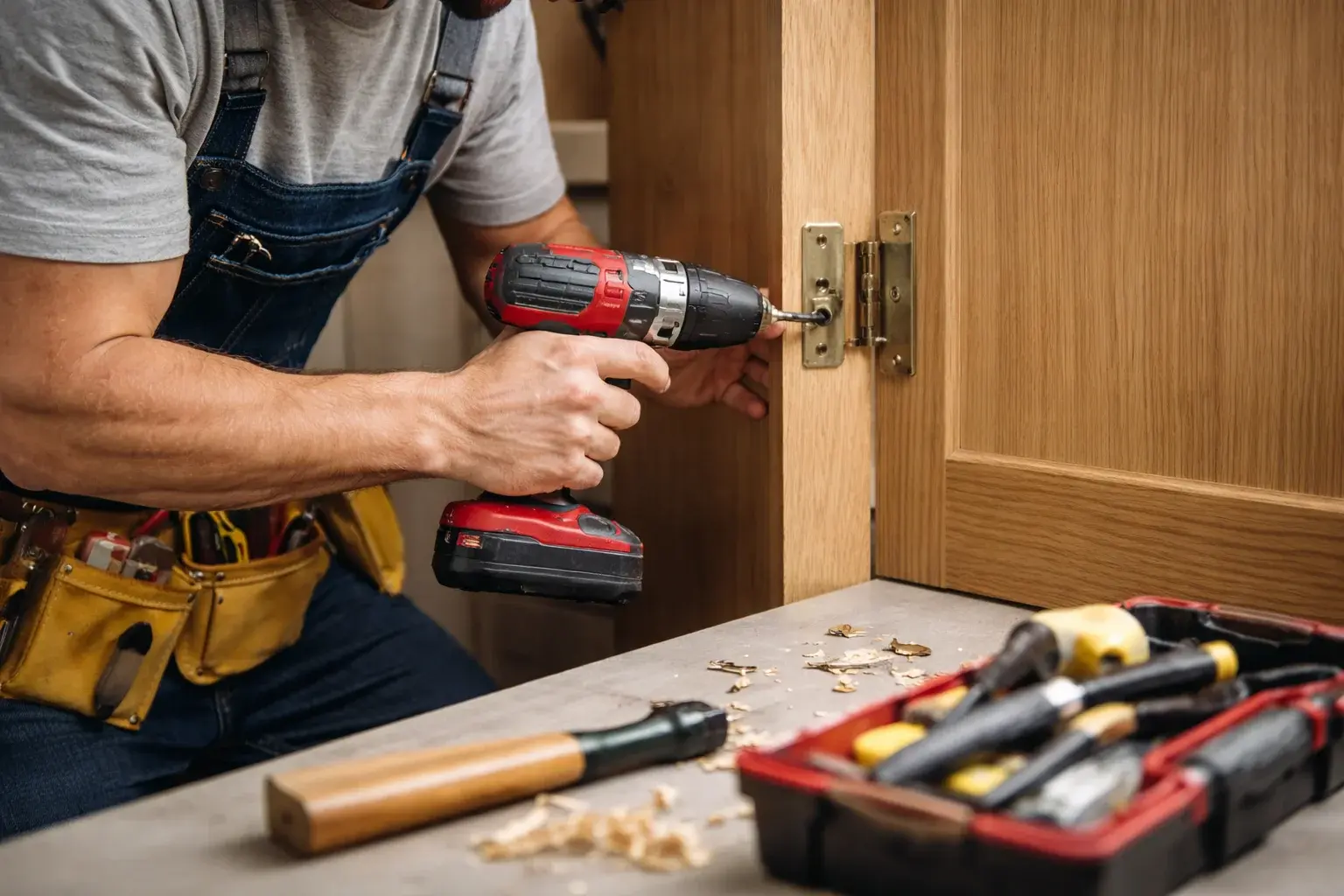
Minor Furniture Repair
small mechanical fixing repairs and adjustments to suitable household furniture
Service overview
Movement at a joint may indicate more than a loose screw. Split material, pulled inserts or failed load-bearing connections can require specialist work or replacement. Stop using an unstable item and explain what moves rather than trying repeated temporary fixes.
Tell Fix Nik about glue, extra screws or brackets already added. Earlier work can conceal damage or affect access to the original fitting. Knowing what has changed helps decide whether another minor adjustment is practical or would merely repeat a failed approach.
Existing drawers and cupboard hinges have their own repair scopes, while new boxed items belong under assembly. Describe each requested task separately. Grouping an enquiry can help planning without turning this minor adjustment service into an unlimited furniture restoration offer.
The agreed service covers assessed minor mechanical fixings and non-specialist household furniture adjustments. Exclusions: Upholstery, antiques/conservation, powered mechanisms, load-bearing reconstruction, cabinet hinges, drawers, assembly of new items.
Wantirna South property context
Planning minor furniture repair in Wantirna South starts with the actual item and its setting. Show the complete item, its material and the loose fixing or joint, with any product label or previous repair visible. The address identifies the locality; it does not establish the construction, condition or accessibility of the property. Loose fittings, damaged surfaces and other smaller items still need individual photos and outcomes. A numbered list prevents them becoming vague additions to the priority task.
Planning the work
Clear the immediate working area where safe and explain heavy furniture or restricted entry. For rentals or managed properties, agree the appropriate permission and identify the person who can provide access.
Unexpected conditions can alter the available options. Any additional work, different components or separate specialist requirement should be discussed before extending the agreed task, rather than treated as automatically included.
Follow any rest or curing guidance and reassess recurring movement. Do not test an uncertain repair by loading the furniture beyond its intended use. Discuss any final finish or product-specific restrictions before returning the area to ordinary use.
Review minor compatible fastening and adjustment work without reconstructing load-bearing furniture or undertaking specialist restoration. Identify any additional items separately so the scope and preparation are understood by everyone arranging the work.
Common situations
A small screw or bolt can work loose without the surrounding furniture being damaged. Show the complete connection and any missing hardware. Tightening is appropriate only when the fastener and the material accepting it remain sound and compatible.
Solid timber, veneers, composite panels and metal frames have different fastening arrangements. A product label and close photo can help identify them. A repair should suit the actual construction; a generic fixing should not be assumed to work in every material.
Antiques, upholstery and conservation work need different skills and methods. Powered reclining or lifting mechanisms are also outside this scope. Identify these features at the enquiry stage so a general handyman adjustment is not mistaken for specialist restoration.
How it works
Show the complete item, its material and the loose fixing or joint, with any product label or previous repair visible.
Loose hardware must be distinguished from a failed load-bearing component. Stability concerns need assessment before continued use.
Review minor compatible fastening and adjustment work without reconstructing load-bearing furniture or undertaking specialist restoration.
Confirm the Wantirna South address, access contact and preparation. Mention anything that limits safe handling or use of the space before scheduling.
Follow any rest or curing guidance and reassess recurring movement. Do not test an uncertain repair by loading the furniture beyond its intended use.
FAQ
Tell Fix Nik about glue, extra screws or brackets already added. Earlier work can conceal damage or affect access to the original fitting. Knowing what has changed helps decide whether another minor adjustment is practical or would merely repeat a failed approach.
Loose hardware must be distinguished from a failed load-bearing component. Stability concerns need assessment before continued use. Provide any available product information, previous repair history or material details. A photograph supports an initial discussion but cannot confirm hidden condition, internal components or every fixing requirement.
Review minor compatible fastening and adjustment work without reconstructing load-bearing furniture or undertaking specialist restoration. The quote identifies the actual item, components and extent of work. An enquiry for one task does not automatically include every related item in the room or property.
Existing drawers and cupboard hinges have their own repair scopes, while new boxed items belong under assembly. Describe each requested task separately. Grouping an enquiry can help planning without turning this minor adjustment service into an unlimited furniture restoration offer.
Show the complete item, its material and the loose fixing or joint, with any product label or previous repair visible. Explain which spaces need to remain usable and who can arrange access. The appointment and preparation are agreed around the actual work; an occupied room should not be assumed to be clear or ready.
Keep loose hardware and send any part numbers before purchasing substitutes. Thread size, length and the connection design matter. The service can review compatible small-part work but does not promise bespoke manufacture or parts for discontinued furniture systems.
Antiques, upholstery and conservation work need different skills and methods. Powered reclining or lifting mechanisms are also outside this scope. Identify these features at the enquiry stage so a general handyman adjustment is not mistaken for specialist restoration.
Show the complete item, its material and the loose fixing or joint, with any product label or previous repair visible. Include your Wantirna South address and access details so Fix Nik can review the work and explain the next step.