



Scope before work
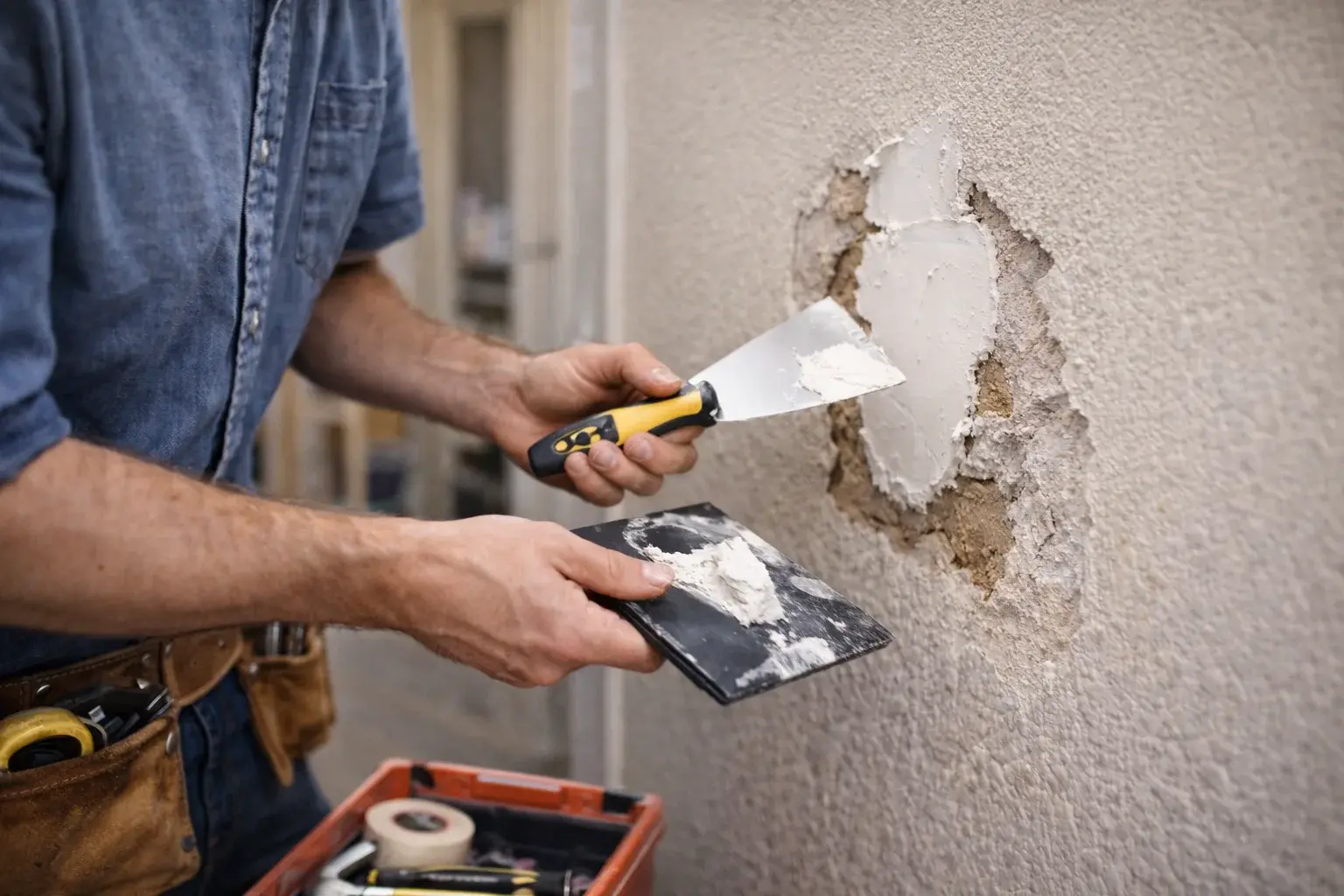
Agree a local repair or suitable replacement section and distinguish preparation from final paint matching. The quoted task should be clear before the repair starts.
Melbourne handyman & property maintenance
Carpentry · Sandhurst
A useful skirting board repair enquiry in Sandhurst shows more than a close-up of the damage. Show the damaged length, its profile, nearby corners and the wall/floor junction; measure height and approximate repair length where safe. Whether the issue involves loose, chipped or damaged skirting and suitable small replacement sections, the aim is to agree a practical scope that suits the existing material and its condition.
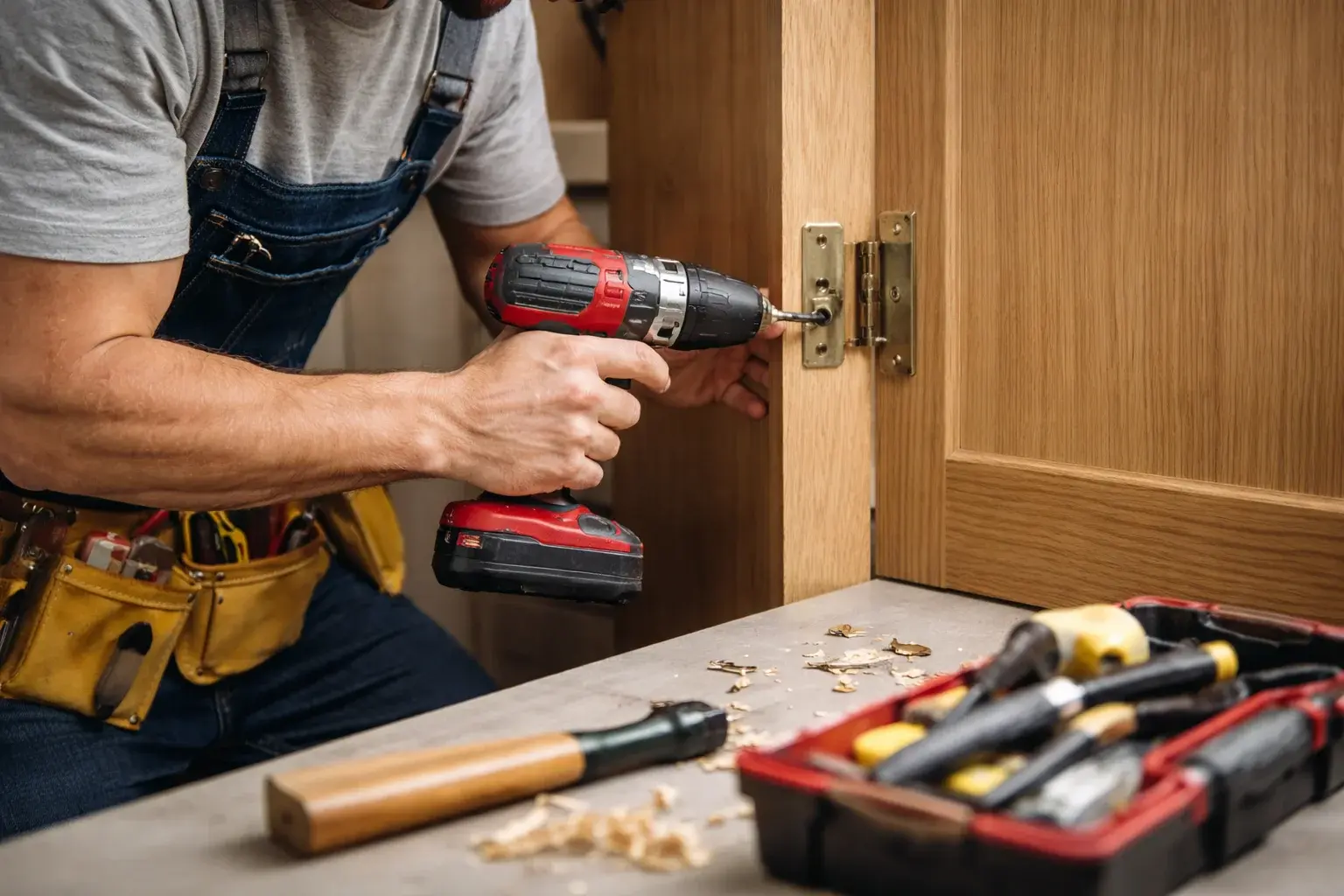
Skirting Board Repair
loose, chipped or damaged skirting and suitable small replacement sections
Service overview
Damp marks, softness or recurring gaps should be described separately from cosmetic damage. A trim repair does not diagnose hidden moisture or building movement. Suitable surface work can be planned once those wider concerns are understood and addressed appropriately.
Matching a decorative profile can take more consideration than choosing a similar board height. Thickness, shape and the way corners meet affect the finished appearance. Supply a close view of an undamaged section as well as the damage when requesting a quote.
A local repair and a replacement length serve different purposes. A shallow dent may be prepared for finishing, while a broken section may need a compatible piece. The profile and dimensions matter if the repair is intended to blend with the existing trim.
Sandhurst property context
For Sandhurst enquiries, combine the job details with practical access information. If a tenant or property manager is involved, agree who can provide entry and authorise the quoted work. Agree a local repair or suitable replacement section and distinguish preparation from final paint matching. Any separate finishing requirement should be raised with the initial photos. A useful Sandhurst enquiry identifies the affected room or outdoor area, explains what has changed and includes wide and close photographs. Measurements and access notes help separate urgent repairs from work that can be grouped into a later visit.
Why Fix Nik
Agree a local repair or suitable replacement section and distinguish preparation from final paint matching. The quoted task should be clear before the repair starts.
Show the damaged length, its profile, nearby corners and the wall/floor junction; measure height and approximate repair length where safe. Clear images help identify the questions that need answering.
Concealed moisture, structural movement and suspected hazardous materials need suitable assessment rather than being covered by trim work.
Common repair scenarios
Include any known water history. Material affected by ongoing dampness may not suit a cosmetic patch until the cause is addressed.
Include the architrave, corner and flooring. Several trim pieces may meet at the damaged area and affect a neat finish.
Show the chip beside an undamaged length. Its depth and the board profile help determine whether local preparation or a small replacement is suitable.
Describe recent floor changes and show the junction. A visible gap may require a finishing decision rather than simply forcing the board down.
Measurements and a close view of matching skirting help identify a replacement. Exact profile availability must be checked.
Explain whether the problem is cosmetic or accompanied by moisture. Paint preparation may be separate from the underlying trim repair.
How it works
Show the damaged length, its profile, nearby corners and the wall/floor junction; measure height and approximate repair length where safe.
Review material condition, fixing support, profile matching and whether wall or floor concerns change the scope.
Agree a local repair or suitable replacement section and distinguish preparation from final paint matching.
Confirm access to your Sandhurst property, protect nearby belongings and agree any preparation before the visit.
Allow agreed fillers or coatings to dry and avoid impacts or cleaning products that disturb the new finish.
FAQ
Discuss the product before purchasing it. Dimensions, fixing positions and compatibility matter, and an apparently similar part may not suit the existing assembly. Review material condition, fixing support, profile matching and whether wall or floor concerns change the scope. Photos and product details can help avoid buying an unsuitable replacement.
The agreed scope should be reviewed before extending the work. Concealed moisture, structural movement and suspected hazardous materials need suitable assessment rather than being covered by trim work. A concealed or more extensive problem may need a separate assessment, so an initial enquiry is not a promise to complete every underlying defect.
Show the damaged length, its profile, nearby corners and the wall/floor junction; measure height and approximate repair length where safe. Include an overall view as well as close-ups so the relationship between the faulty part and its surroundings is clear. Please do not remove components simply to take a photograph.
Include a separate photo and description for each item. Compatible jobs can be considered together, but each still needs its own scope and suitable access. Concealed moisture, structural movement and suspected hazardous materials need suitable assessment rather than being covered by trim work. Bundling an enquiry does not change the limits of the service.
Allow agreed fillers or coatings to dry and avoid impacts or cleaning products that disturb the new finish. If the original symptom returns, note what has changed and share a photo rather than repeatedly adjusting or covering the affected area. Follow any specific guidance agreed for the materials used.
No. Photos help explain visible condition but cannot confirm concealed support or the extent of hidden damage. Concealed moisture, structural movement and suspected hazardous materials need suitable assessment rather than being covered by trim work. Where the repair depends on something that cannot be checked remotely, the limitation should be resolved before proceeding.
Explain what was changed, roughly when it was done and whether the same fault has returned. Review material condition, fixing support, profile matching and whether wall or floor concerns change the scope. A repeated problem may point to an unresolved cause, and that history helps avoid agreeing another purely cosmetic treatment.
Show the damaged length, its profile, nearby corners and the wall/floor junction; measure height and approximate repair length where safe. Include your Sandhurst address and access details so suitable work can be discussed.