The accepted ceiling must be dry and stable. Ongoing leaks, sagging, hazardous material and structural concerns need appropriate separate assessment. A stain is not diagnosed from a photograph, and a coat of paint should not be offered as a remedy for its unresolved source.
Room height, stairs and furniture affect safe access across the ceiling. Explain these constraints with the dimensions. High-access specialist work is excluded; a standard ceiling description does not establish that every part of a void or stairwell is safely reachable.
Measure the full plane to be painted and identify beams, bulkheads or adjoining sections separately. Ceiling painting is broader than touching up one patch. Clear boundaries help establish where the finish stops and which additional surfaces need their own agreement.
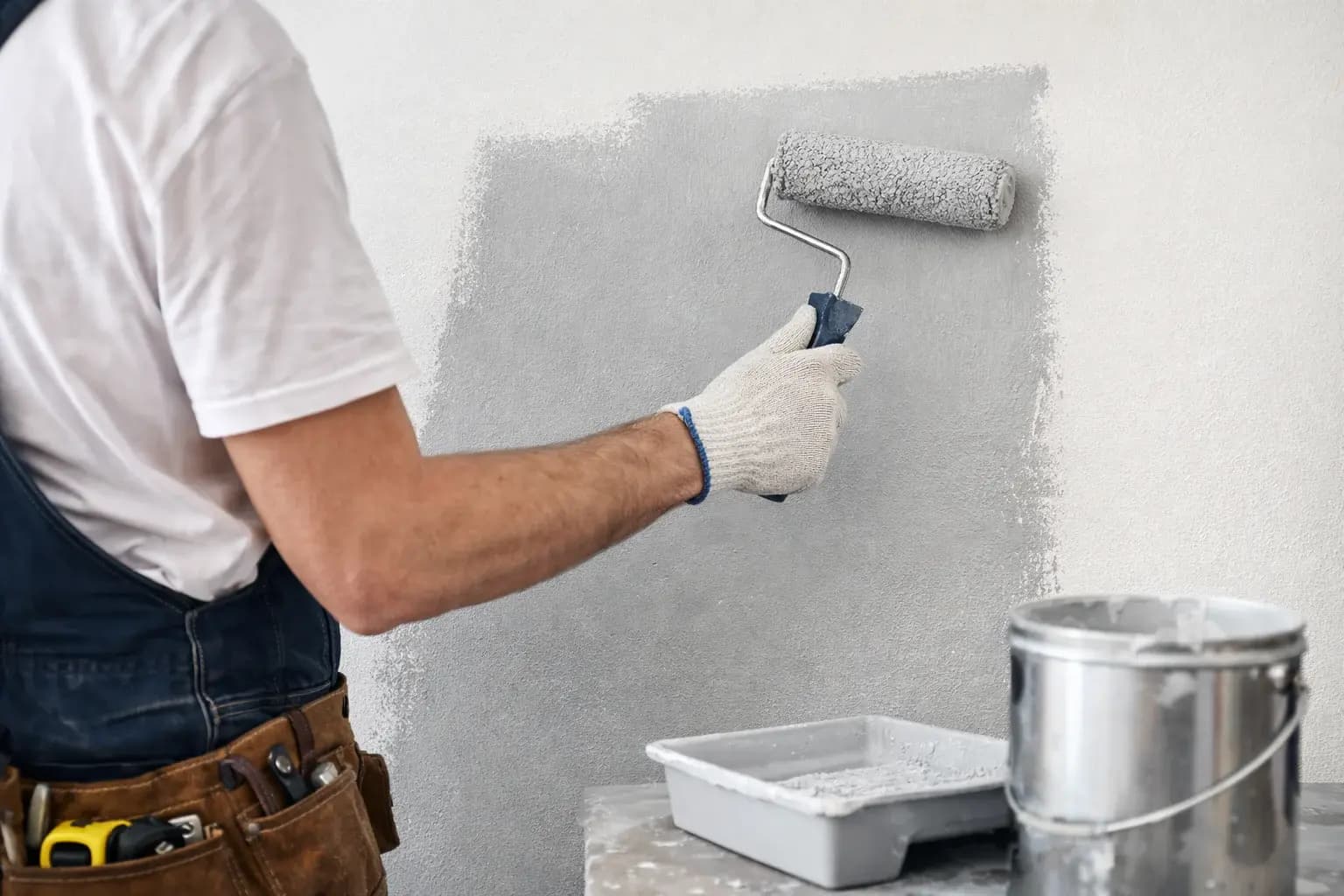
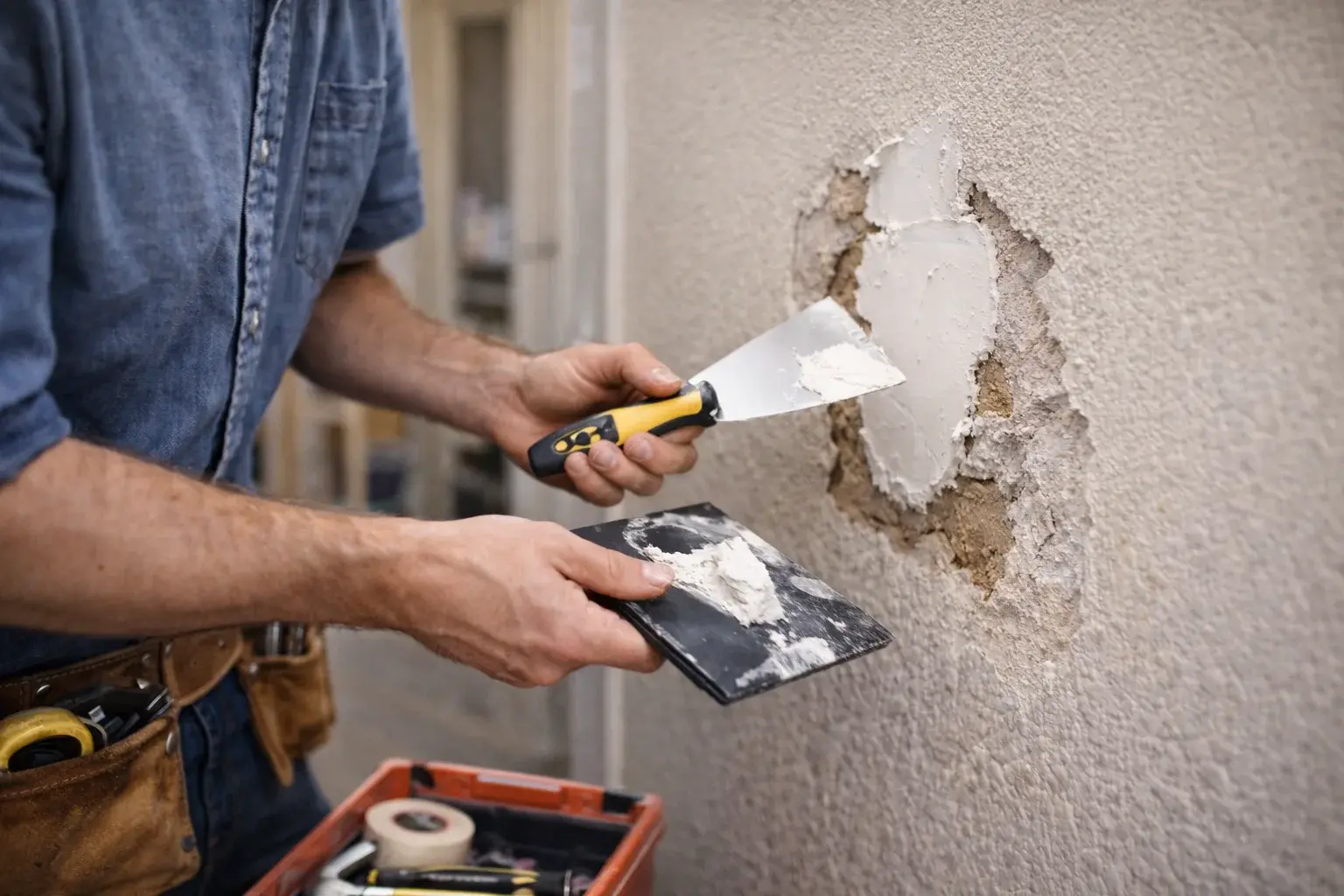
Protect the room and fixed fixtures, prepare the accepted sound surface and paint the agreed ceiling plane in suitable stages. Scope limits: Ordinary dry stable accessible ceilings only. No electrical fixture work, leak diagnosis, sagging ceilings, high-access specialist work or hazardous materials.