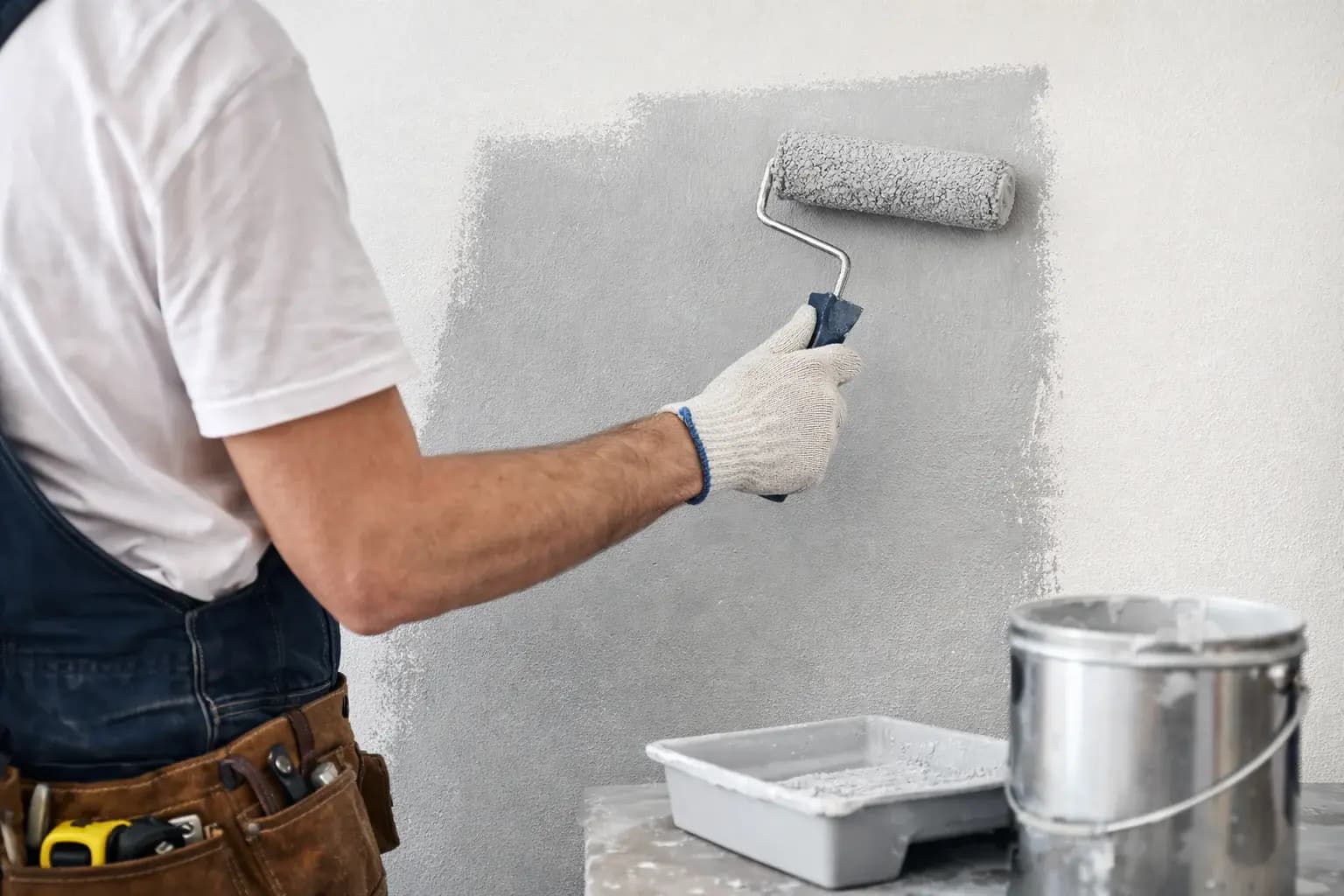
A practical exterior timber painting decision starts with the affected item, its condition and the surrounding materials. Prepare and paint the accepted accessible timber component with a compatible exterior system, protecting adjacent surfaces and operating clearances.
Signs: a local repair or prior coating needs preparation before a new finish is considered or the existing finish shows ordinary wear that may suit bounded maintenance. Causes: incompatible or unknown prior finishes that need checking or surface damage that needs preparation before finishing.
Exposed edges and ordinary joints need an agreed preparation boundary. Painting cannot reconstruct rotten timber or correct structural movement. If deterioration appears during preparation, discuss suitable separate work before applying a finish that could conceal the condition.
Identify the whole door, frame or trim section to be coated, including any edges and returns you want finished. A complete timber component can need more preparation than an isolated paint spot. The quote should identify exactly where the new finish starts and stops.
prepare and touch up a suitable local area. apply a compatible finish to an agreed sound surface. Limits: Complete ordinary accessible sound timber components only. No glazing work, structural rot reconstruction, hazardous stripping, waterproofing or high-access specialist work.