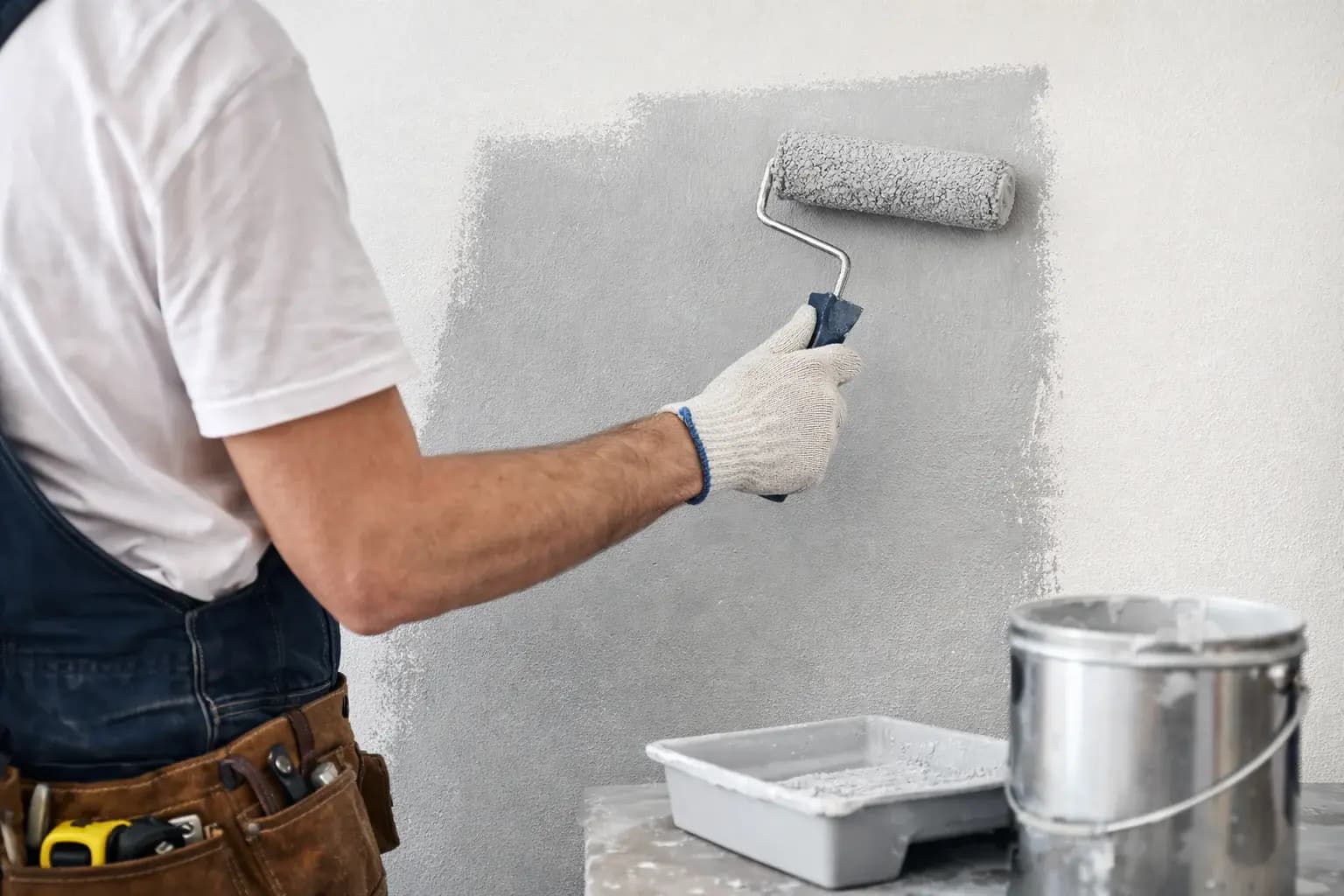
A practical exterior timber painting decision starts with the affected item, its condition and the surrounding materials. Prepare and paint the accepted accessible timber component with a compatible exterior system, protecting adjacent surfaces and operating clearances.
Signs: the existing finish shows ordinary wear that may suit bounded maintenance or the surface is scuffed, patchy, weathered or no longer presents evenly. Causes: incompatible or unknown prior finishes that need checking or surface damage that needs preparation before finishing.
Exposed edges and ordinary joints need an agreed preparation boundary. Painting cannot reconstruct rotten timber or correct structural movement. If deterioration appears during preparation, discuss suitable separate work before applying a finish that could conceal the condition.
Photograph glass, seals and mechanical fittings near the timber. Ordinary protection and careful application are different from removing glazing or modifying hardware systems. Specialist glass work and electrical security integration are excluded from the painting scope.
Allow the required cure before closing painted contact surfaces or cleaning. Follow the selected system’s ongoing maintenance instructions. Limits: Complete ordinary accessible sound timber components only. No glazing work, structural rot reconstruction, hazardous stripping, waterproofing or high-access specialist work.