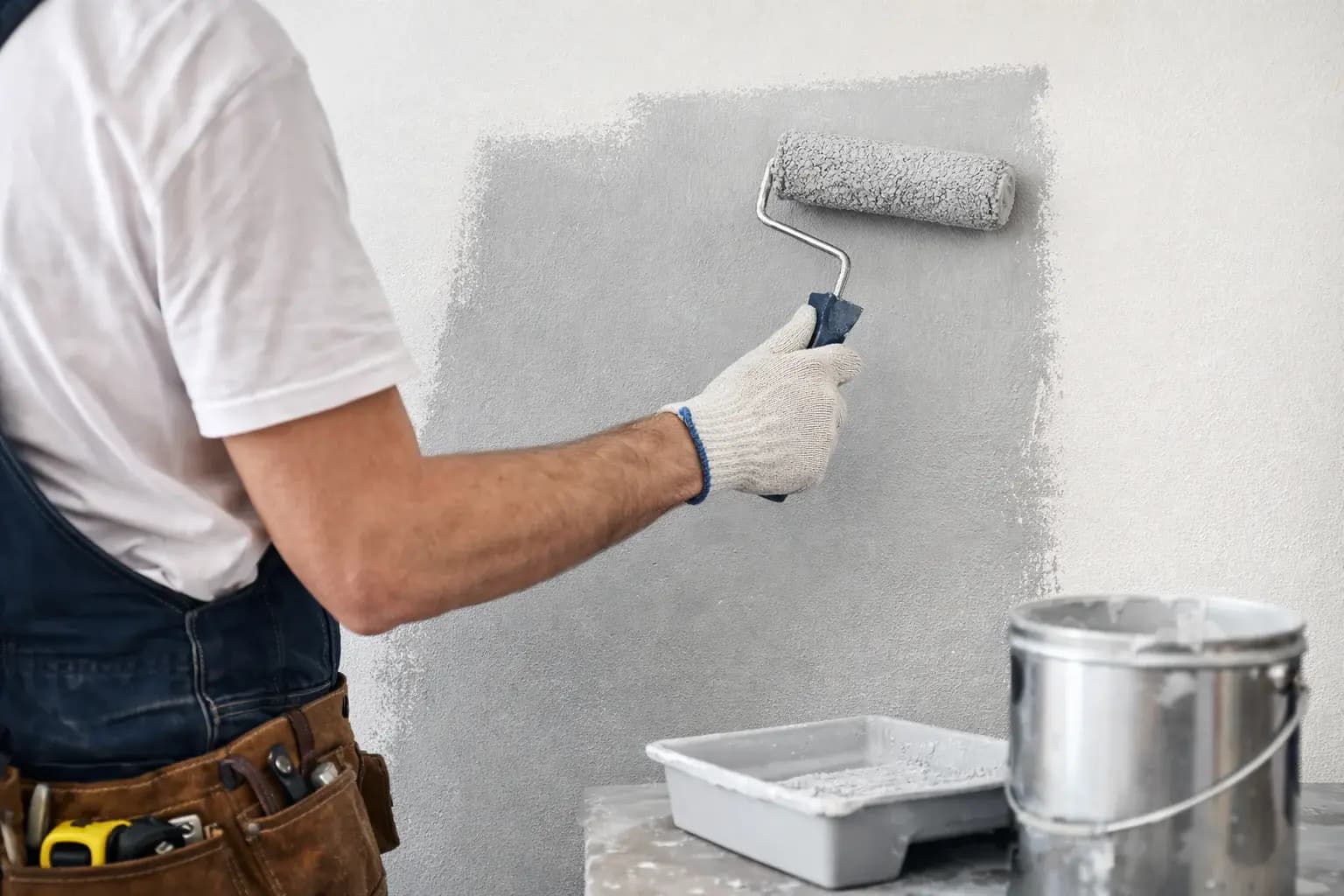
A practical exterior timber painting decision starts with the affected item, its condition and the surrounding materials. Prepare and paint the accepted accessible timber component with a compatible exterior system, protecting adjacent surfaces and operating clearances.
Signs: the existing finish shows ordinary wear that may suit bounded maintenance or the surface is scuffed, patchy, weathered or no longer presents evenly. Causes: normal use, weather exposure or aged coating or surface damage that needs preparation before finishing.
Show sheltered and exposed faces and provide any timber or product information. The coating needs to suit exterior use and the actual component. Ordinary painting does not provide waterproofing-system repairs or a guarantee against deterioration caused by an unresolved building issue.
A painted door or window component still needs suitable movement and contact clearances. Excess paint build-up can affect operation. Agree which accessible faces can be coated and how they will remain separated while drying, without treating painting as a substitute for alignment repair.
Prepare and paint the accepted accessible timber component with a compatible exterior system, protecting adjacent surfaces and operating clearances. Limits: Complete ordinary accessible sound timber components only. No glazing work, structural rot reconstruction, hazardous stripping, waterproofing or high-access specialist work.