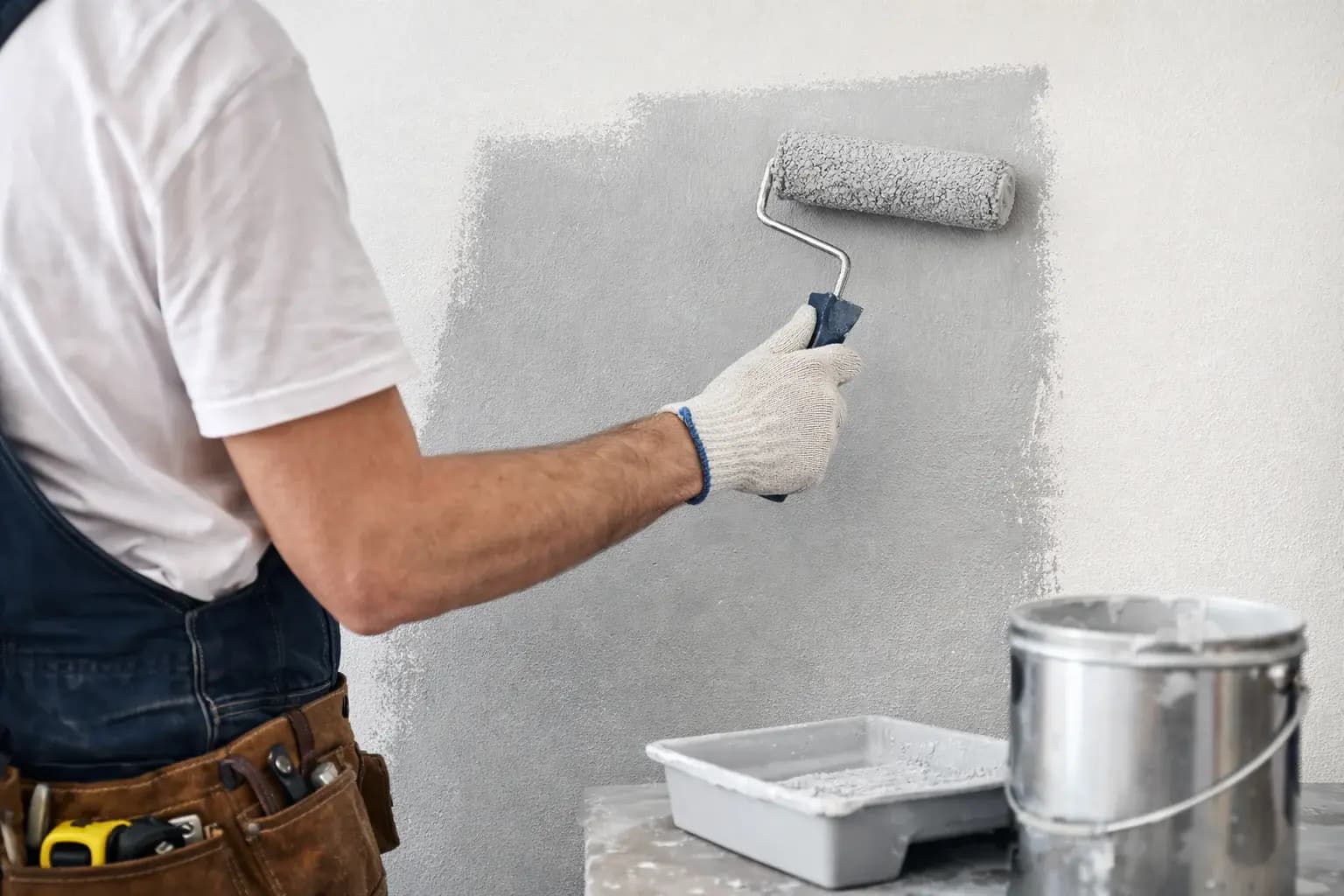
A practical exterior touch up painting decision starts with the affected item, its condition and the surrounding materials. Prepare and touch up the agreed small accessible exterior areas with compatible materials, keeping the repair boundaries clear.
Signs: the surface is scuffed, patchy, weathered or no longer presents evenly or the existing finish shows ordinary wear that may suit bounded maintenance. Causes: normal use, weather exposure or aged coating or surface damage that needs preparation before finishing.
A touch-up can differ in sheen, texture or colour from aged paint. Agree whether a visible local finish is acceptable before proceeding. Repainting a complete component may be a better separate option, but it must not be silently added to the spot-work quote.
The edge of the damaged paint may need suitable ordinary preparation before a touch-up. Show surrounding flaking and previous repairs. Hazardous-material disturbance and extensive stripping are excluded; the accepted area must be sound enough for the proposed local treatment.
Follow curing instructions and expect that weathered surrounding paint can limit the match. Discuss wider repainting separately if needed. Limits: Small accessible sound exterior spots only. No full exterior restoration, waterproofing, hazardous coating disturbance or specialist high-access work.