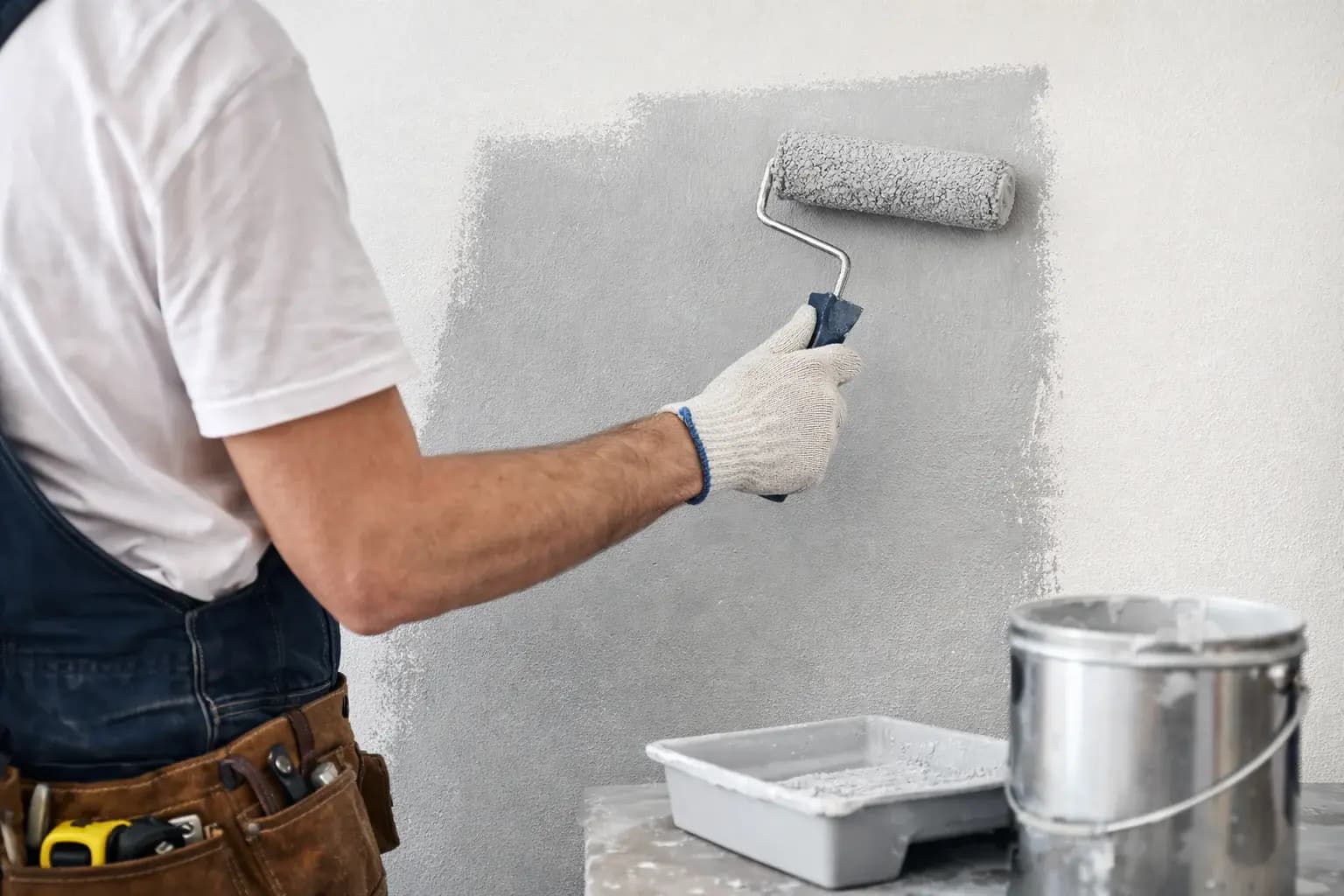
A practical exterior touch up painting decision starts with the affected item, its condition and the surrounding materials. Prepare and touch up the agreed small accessible exterior areas with compatible materials, keeping the repair boundaries clear.
Signs: the existing finish shows ordinary wear that may suit bounded maintenance or the surface is scuffed, patchy, weathered or no longer presents evenly. Causes: incompatible or unknown prior finishes that need checking or normal use, weather exposure or aged coating.
The edge of the damaged paint may need suitable ordinary preparation before a touch-up. Show surrounding flaking and previous repairs. Hazardous-material disturbance and extensive stripping are excluded; the accepted area must be sound enough for the proposed local treatment.
Small areas still need the product’s temperature and rain-free conditions. Explain nearby irrigation or routine washing that may affect curing. Scheduling depends on the actual surface and weather rather than assuming a small touch-up can be applied under any conditions.
Follow curing instructions and expect that weathered surrounding paint can limit the match. Discuss wider repainting separately if needed. Limits: Small accessible sound exterior spots only. No full exterior restoration, waterproofing, hazardous coating disturbance or specialist high-access work.