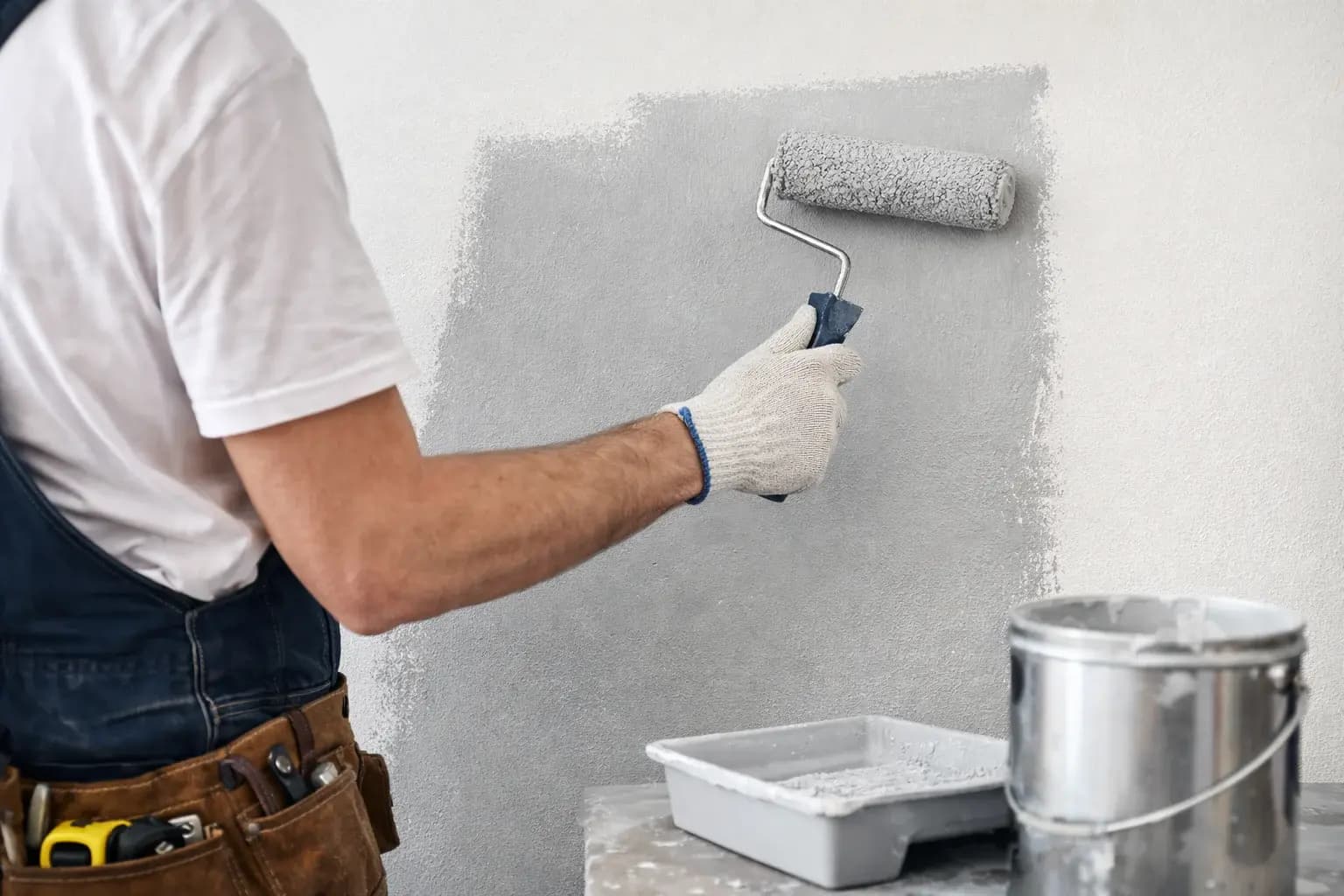
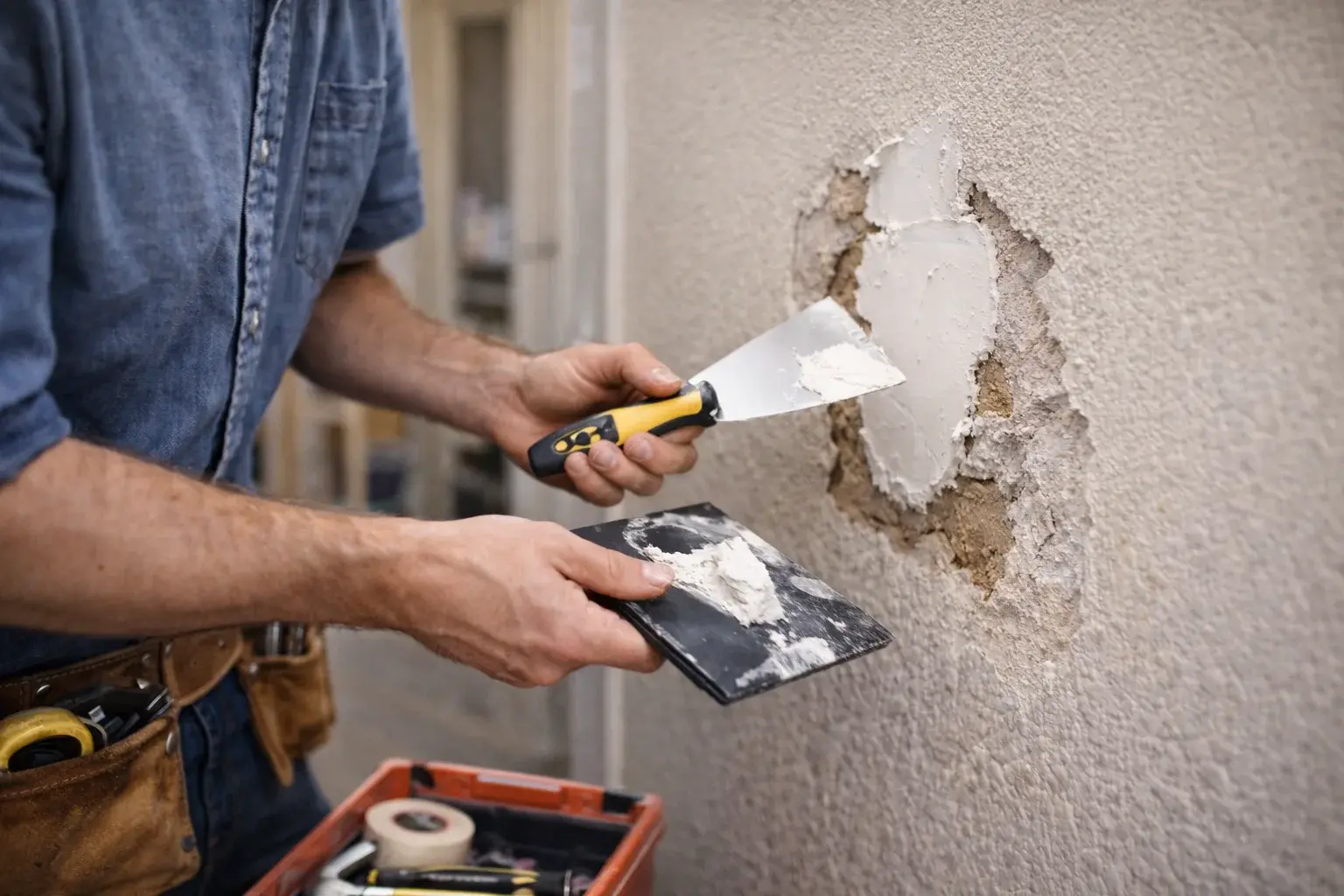
A practical interior room painting decision starts with the affected item, its condition and the surrounding materials. Protect the agreed room, prepare accepted sound surfaces and repaint complete wall areas in a planned sequence with defined trim boundaries.
Signs: the existing finish shows ordinary wear that may suit bounded maintenance or a local repair or prior coating needs preparation before a new finish is considered. Causes: surface damage that needs preparation before finishing or incompatible or unknown prior finishes that need checking.
The room needs suitable ventilation and a practical route for people using the property. Discuss occupied areas and product requirements before scheduling. No universal odour-free or immediate-use guarantee should be inferred from the choice of an interior paint.
List the walls and any additional ceiling, doors or trim you want included. Include alcoves, returns and built-in furniture in the room photographs. The quote depends on the actual surfaces and preparation, with each included area identified before painting begins.
prepare and touch up a suitable local area. apply a compatible finish to an agreed sound surface. Limits: Ordinary sound interior surfaces only. No specialist wet-area systems, damp remediation, asbestos, structural repair or electrical and plumbing work.