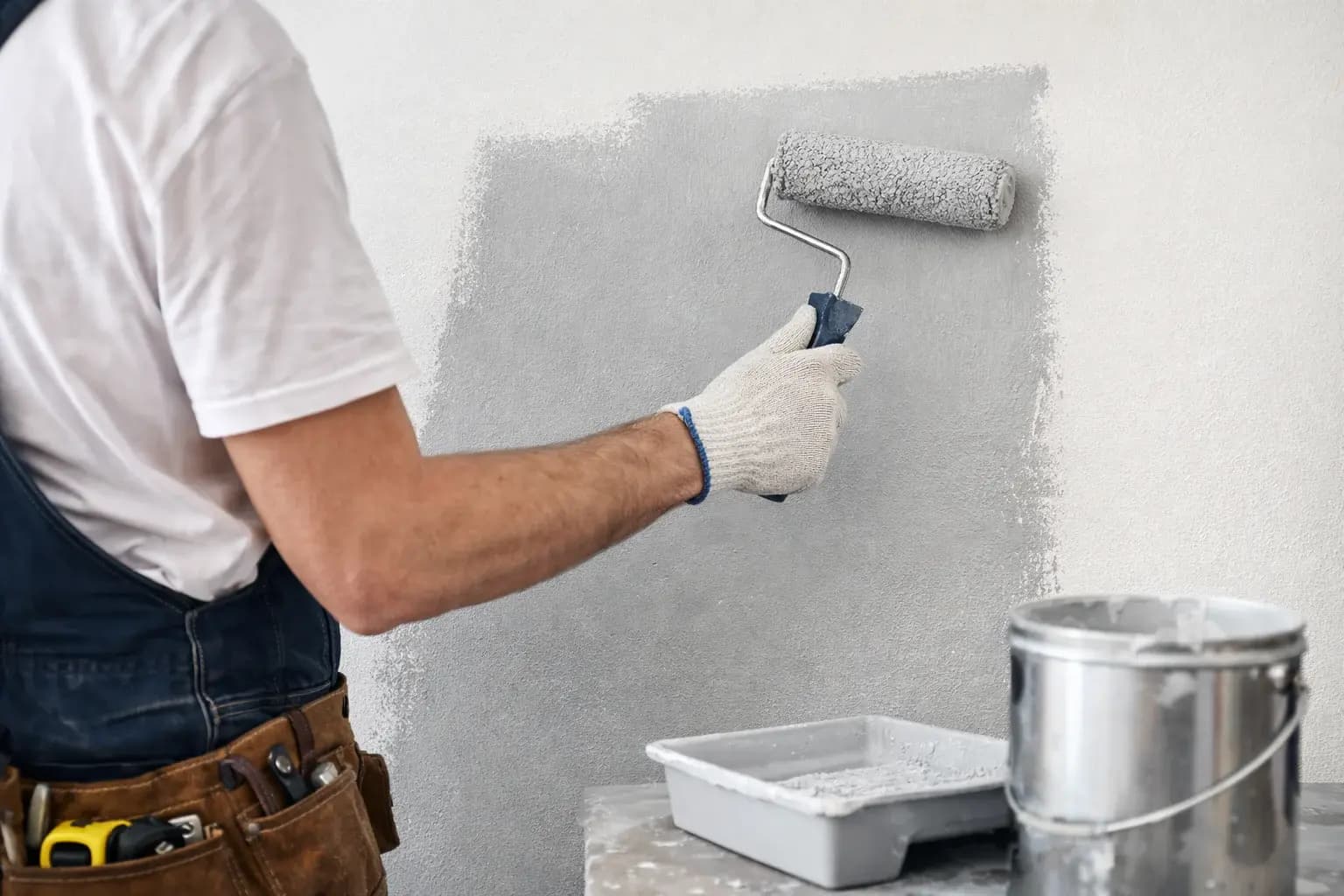
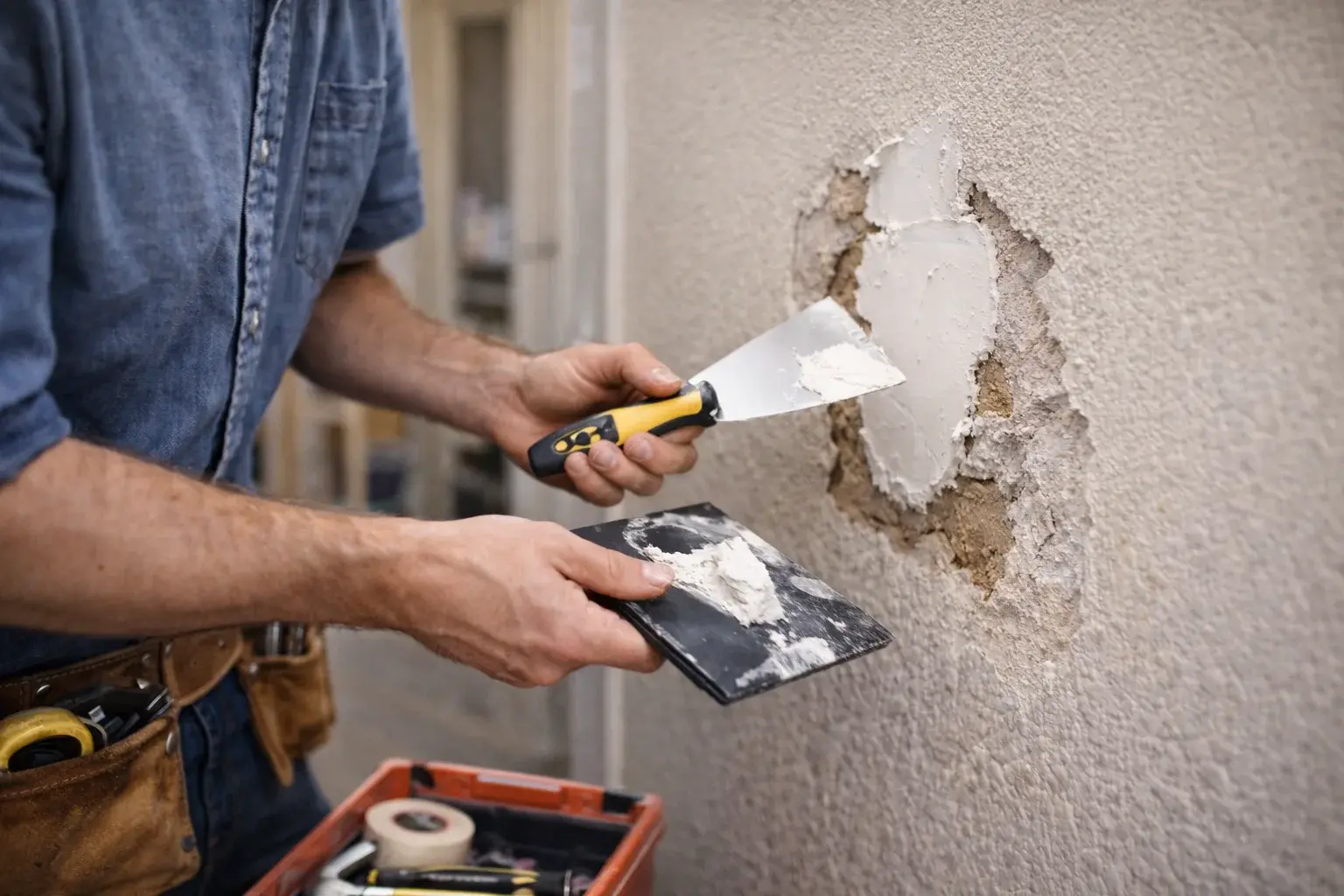
A practical interior room painting decision starts with the affected item, its condition and the surrounding materials. Protect the agreed room, prepare accepted sound surfaces and repaint complete wall areas in a planned sequence with defined trim boundaries.
Signs: the surface is scuffed, patchy, weathered or no longer presents evenly or the existing finish shows ordinary wear that may suit bounded maintenance. Causes: normal use, weather exposure or aged coating or incompatible or unknown prior finishes that need checking.
The room needs suitable ventilation and a practical route for people using the property. Discuss occupied areas and product requirements before scheduling. No universal odour-free or immediate-use guarantee should be inferred from the choice of an interior paint.
Identify which spaces must remain available and who can arrange entry. A staged room plan can be discussed, but repeated access restrictions may affect the sequence. Keep children, pets and routine storage clear of the protected working area as agreed.
Ventilate and allow the selected finish to dry before replacing furniture against walls. Follow product guidance for cleaning and ordinary use. Limits: Ordinary sound interior surfaces only. No specialist wet-area systems, damp remediation, asbestos, structural repair or electrical and plumbing work.