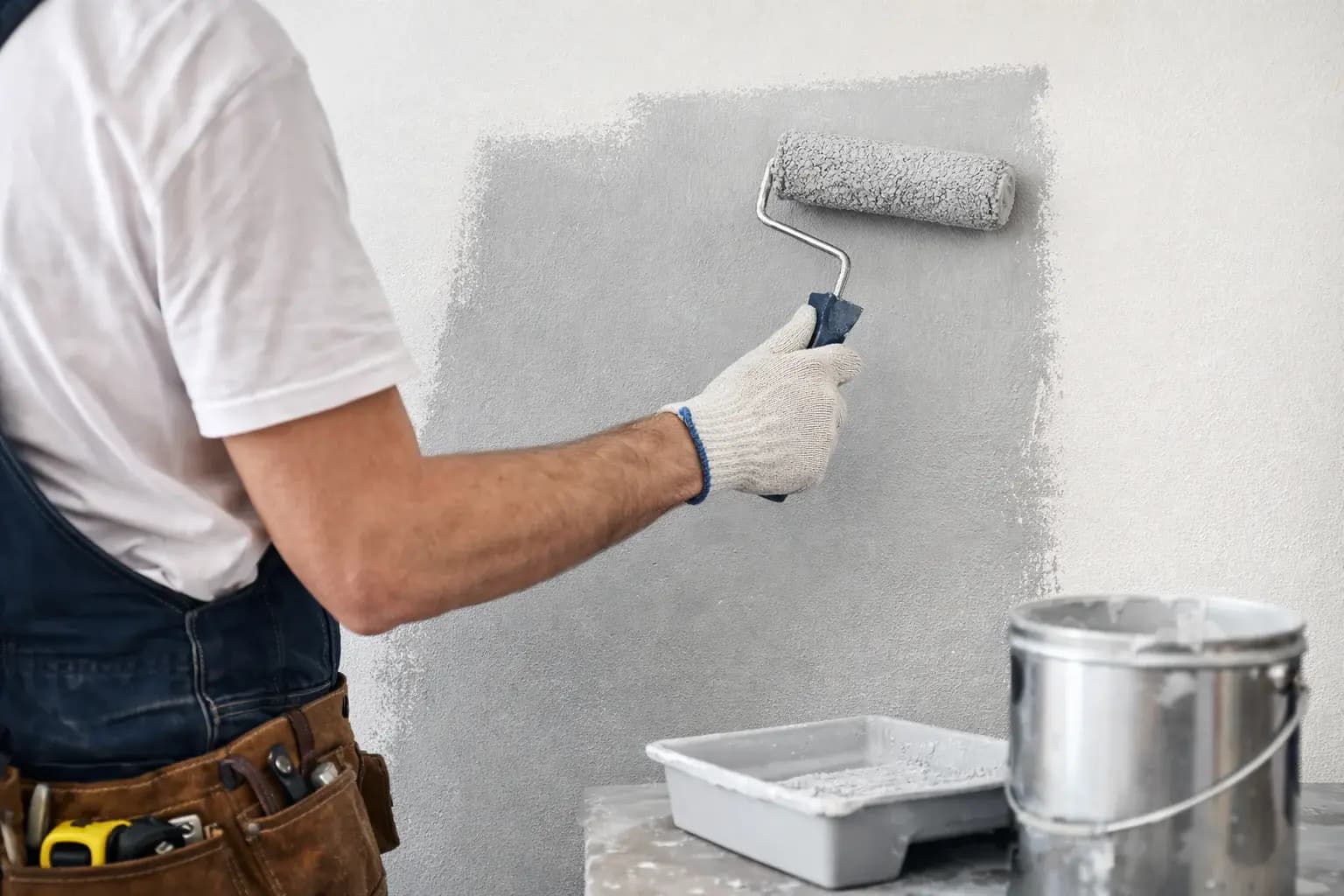
A practical interior trim painting decision starts with the affected item, its condition and the surrounding materials. Agree the trim sections, protect adjoining surfaces and prepare and recoat suitable interior material with a compatible finish.
Signs: a local repair or prior coating needs preparation before a new finish is considered or the existing finish shows ordinary wear that may suit bounded maintenance. Causes: incompatible or unknown prior finishes that need checking or surface damage that needs preparation before finishing.
Fresh trim may look different beside aged walls or an unpainted door. Discuss the intended boundary and finish expectation. The quote should identify the actual surfaces rather than imply that all adjoining paintwork will be refreshed at the same time.
A loose board or crumbling edge should not be hidden beneath another coat. Show splits, movement and moisture damage separately. Suitable trim repair may be discussed through the relevant repair service before any finishing work is planned.
The agreed service covers small interior trim preparation and recoating after substrate suitability review. Exclusions: Structural timber repair, hazardous coating removal, external window restoration, large renovation repaint.