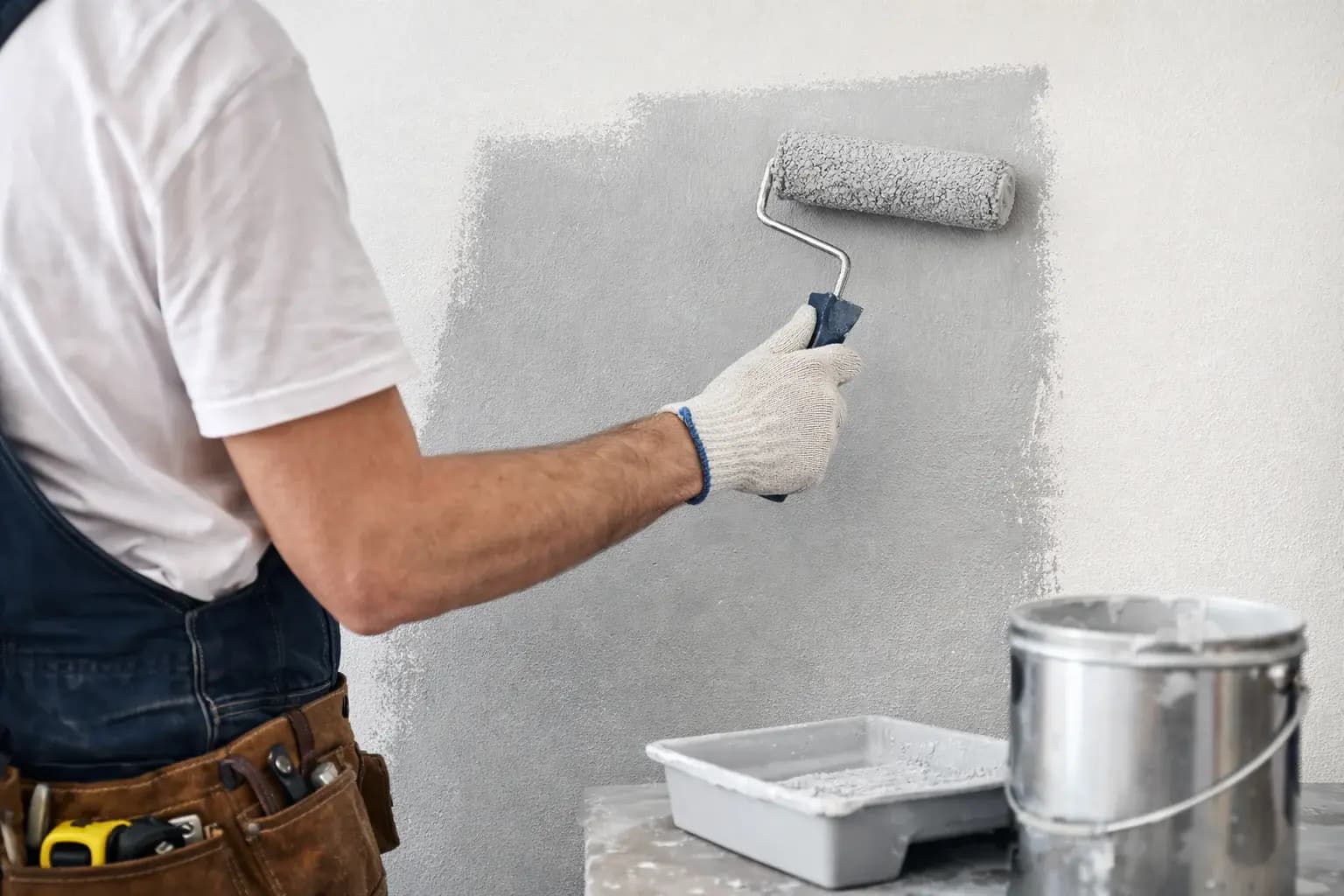
A practical interior wall touch up painting decision starts with the affected item, its condition and the surrounding materials. Agree suitable light preparation and a local paint area; consider a bounded wall section where a small spot would remain conspicuous.
Signs: a local repair or prior coating needs preparation before a new finish is considered or the surface is scuffed, patchy, weathered or no longer presents evenly. Causes: normal use, weather exposure or aged coating or incompatible or unknown prior finishes that need checking.
A repaired spot can remain visible because its sheen differs from the surrounding paint. Side lighting often reveals that difference. Include a wider room view and discuss the finish expectation before deciding whether to paint a tiny area or a complete bounded section.
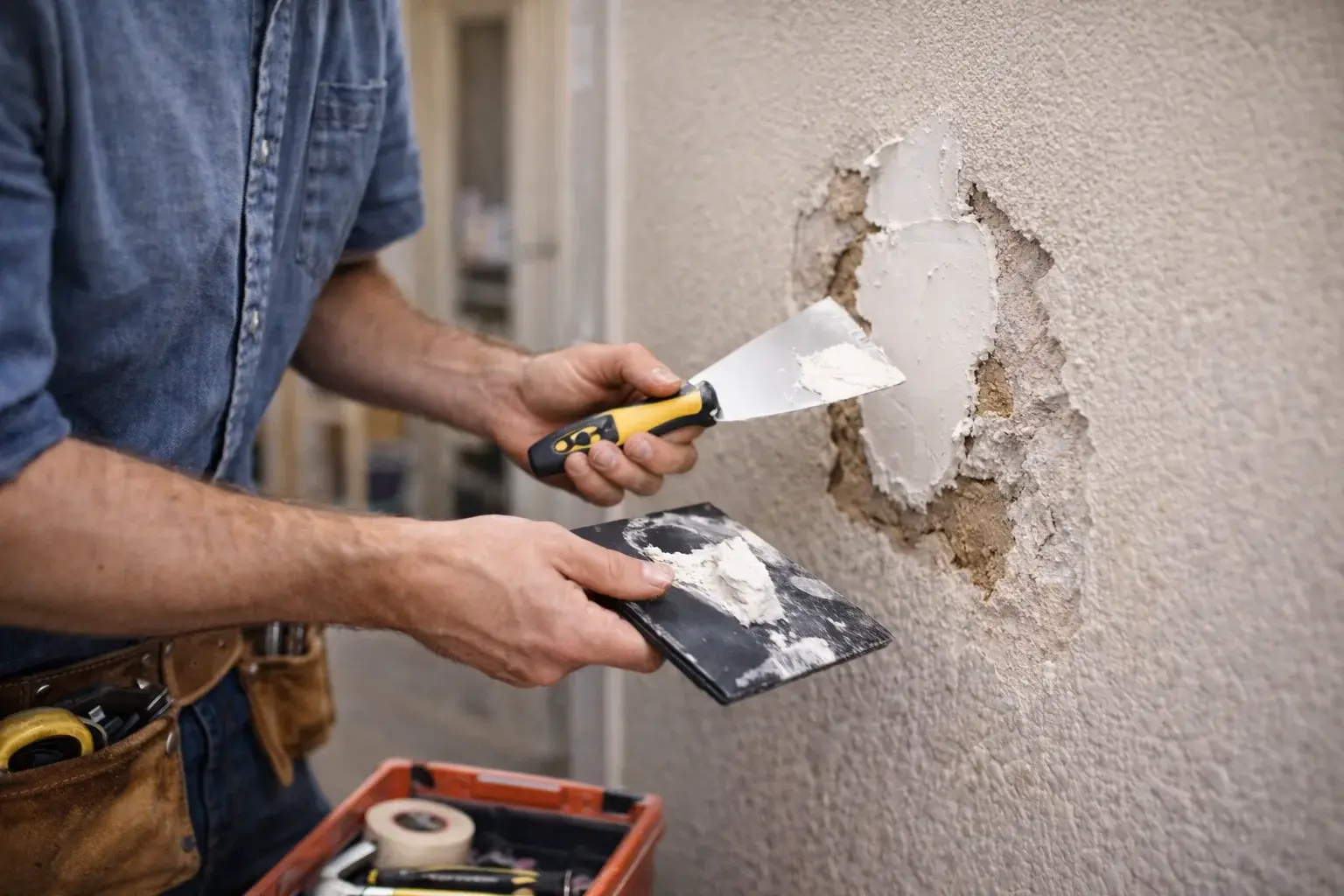
A mark on intact paint is different from a dent, torn wall surface or loose coating. Show the affected area close up and from across the room. The underlying condition decides whether touch-up painting is appropriate or a separate repair is needed.
The agreed service covers sound interior walls, light preparation, agreed local coating and colour-match assessment. Exclusions: Whole-house repainting, external facades, unresolved damp, lead/asbestos disturbance, structural patch work.