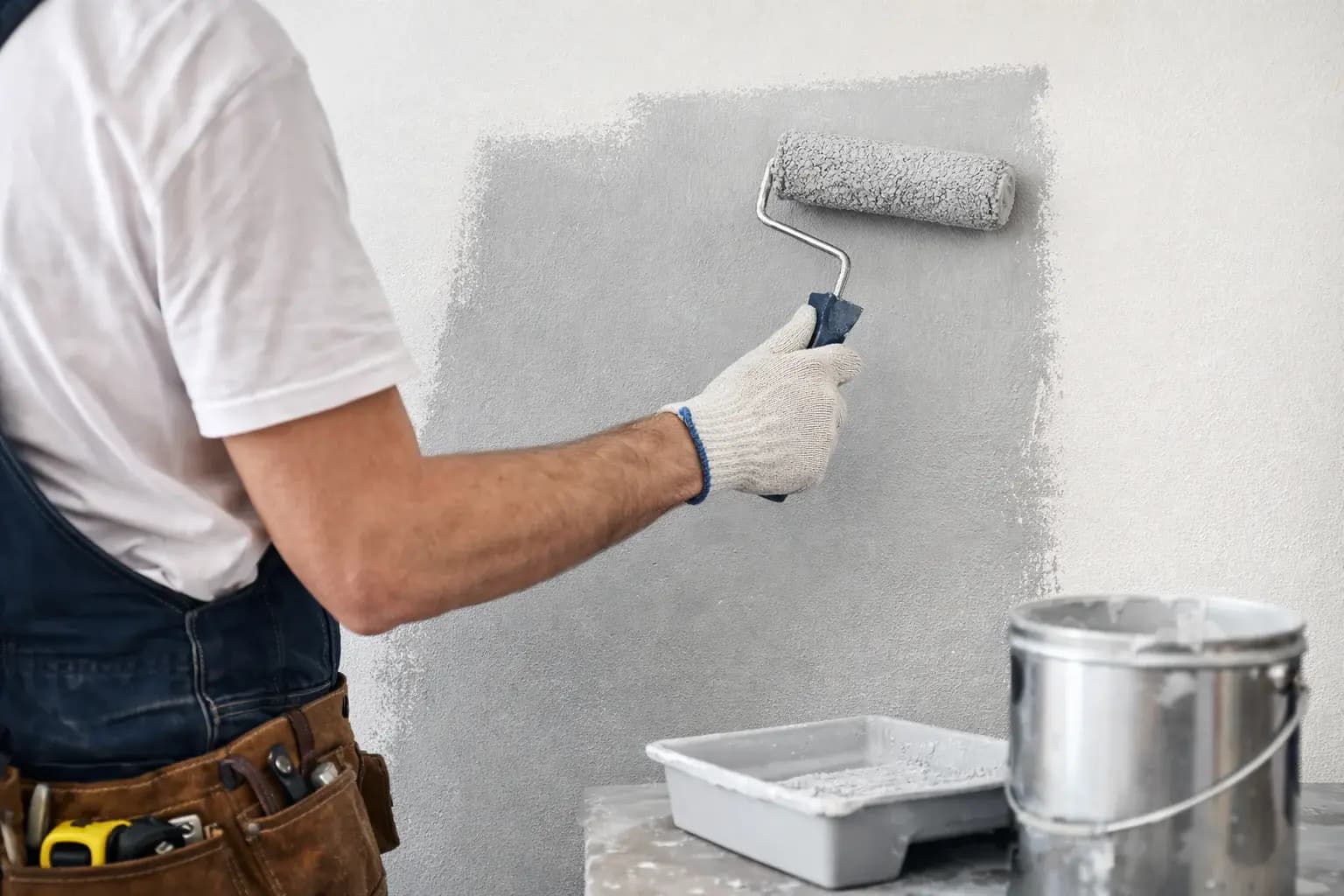
A practical interior wall touch up painting decision starts with the affected item, its condition and the surrounding materials. Agree suitable light preparation and a local paint area; consider a bounded wall section where a small spot would remain conspicuous.
Signs: the existing finish shows ordinary wear that may suit bounded maintenance or the surface is scuffed, patchy, weathered or no longer presents evenly. Causes: normal use, weather exposure or aged coating or incompatible or unknown prior finishes that need checking.
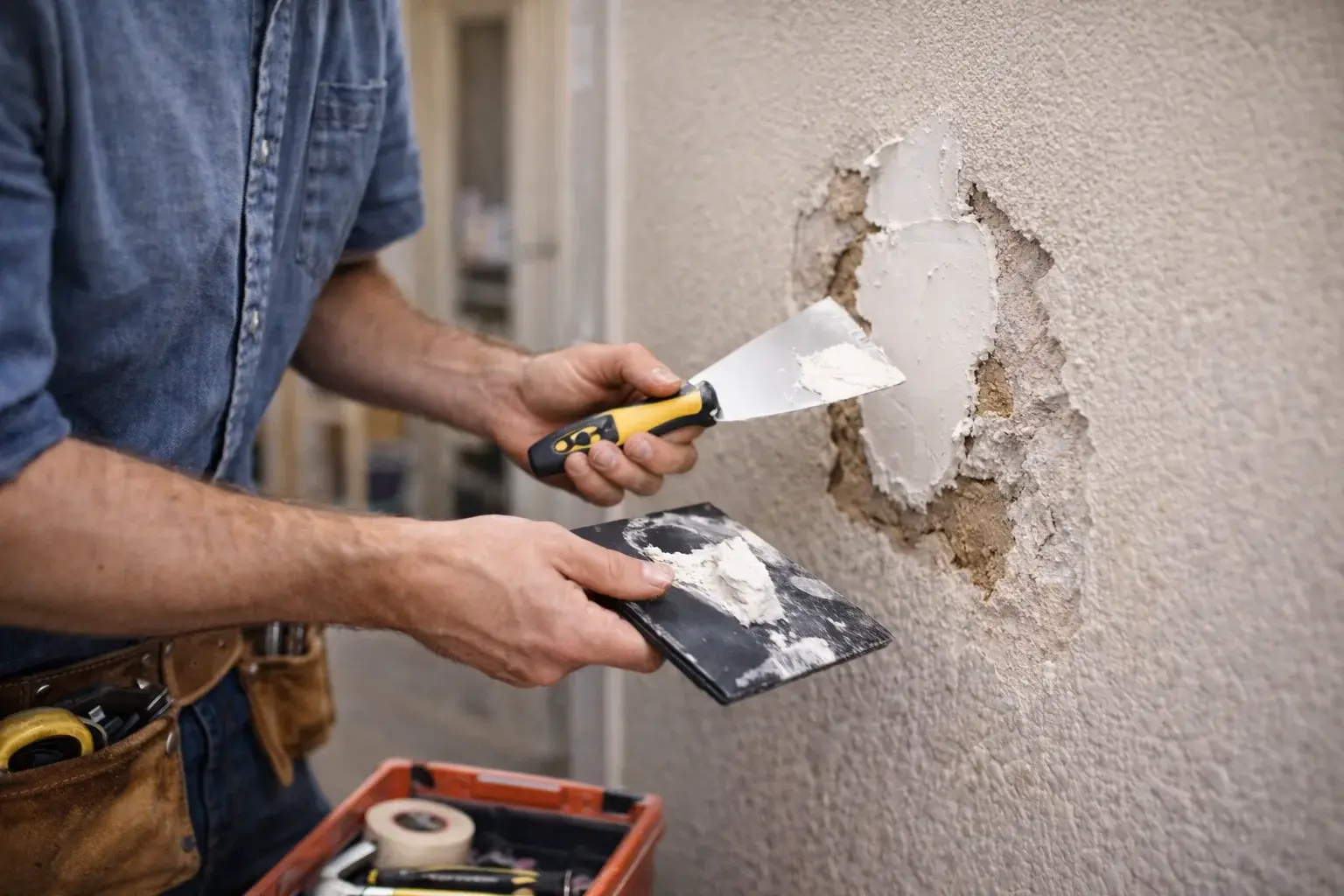
A mark on intact paint is different from a dent, torn wall surface or loose coating. Show the affected area close up and from across the room. The underlying condition decides whether touch-up painting is appropriate or a separate repair is needed.
Furniture, curtains and floor edges need room for suitable protection. Explain what can be moved before the appointment and anything fragile nearby. Preparation time depends on access as well as the size of the visible mark, especially in occupied rooms.
The agreed service covers sound interior walls, light preparation, agreed local coating and colour-match assessment. Exclusions: Whole-house repainting, external facades, unresolved damp, lead/asbestos disturbance, structural patch work.