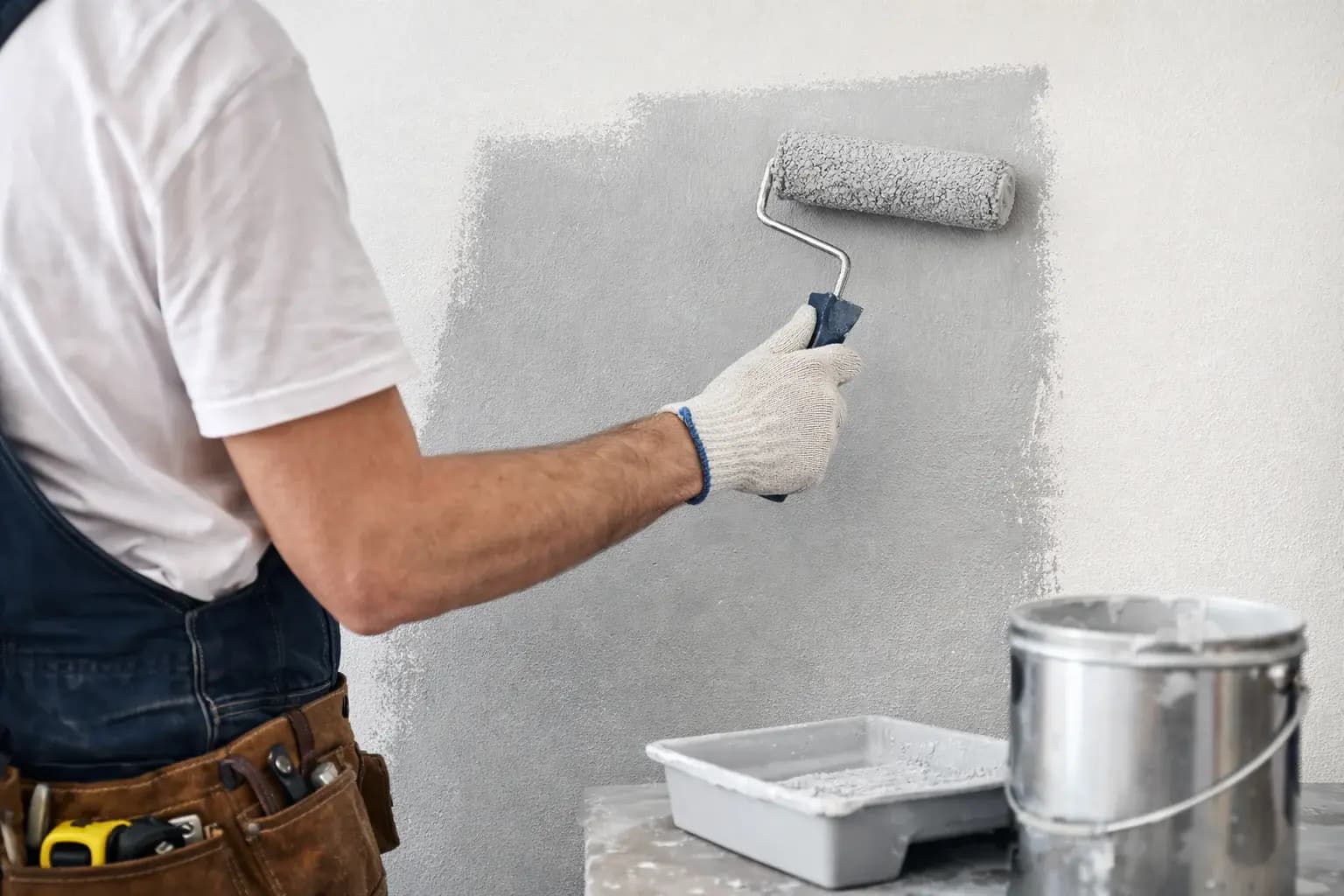
A practical internal door painting decision starts with the affected item, its condition and the surrounding materials. Protect suitable hardware and adjacent finishes, prepare compatible surfaces and apply the agreed internal-door coating.
Signs: the door sags, rubs, sticks or has uneven gaps around the opening or the door closes poorly despite an otherwise sound visible opening. Causes: local damage to an accessible component rather than an assumed structural defect or loose fixings, minor alignment drift or ordinary timber movement.
Colour, sheen and the condition beneath the coating all influence the result. An agreed repaint should not be described as factory refinishing. Matching neighbouring aged surfaces exactly cannot be guaranteed just by choosing a paint colour with the same name.
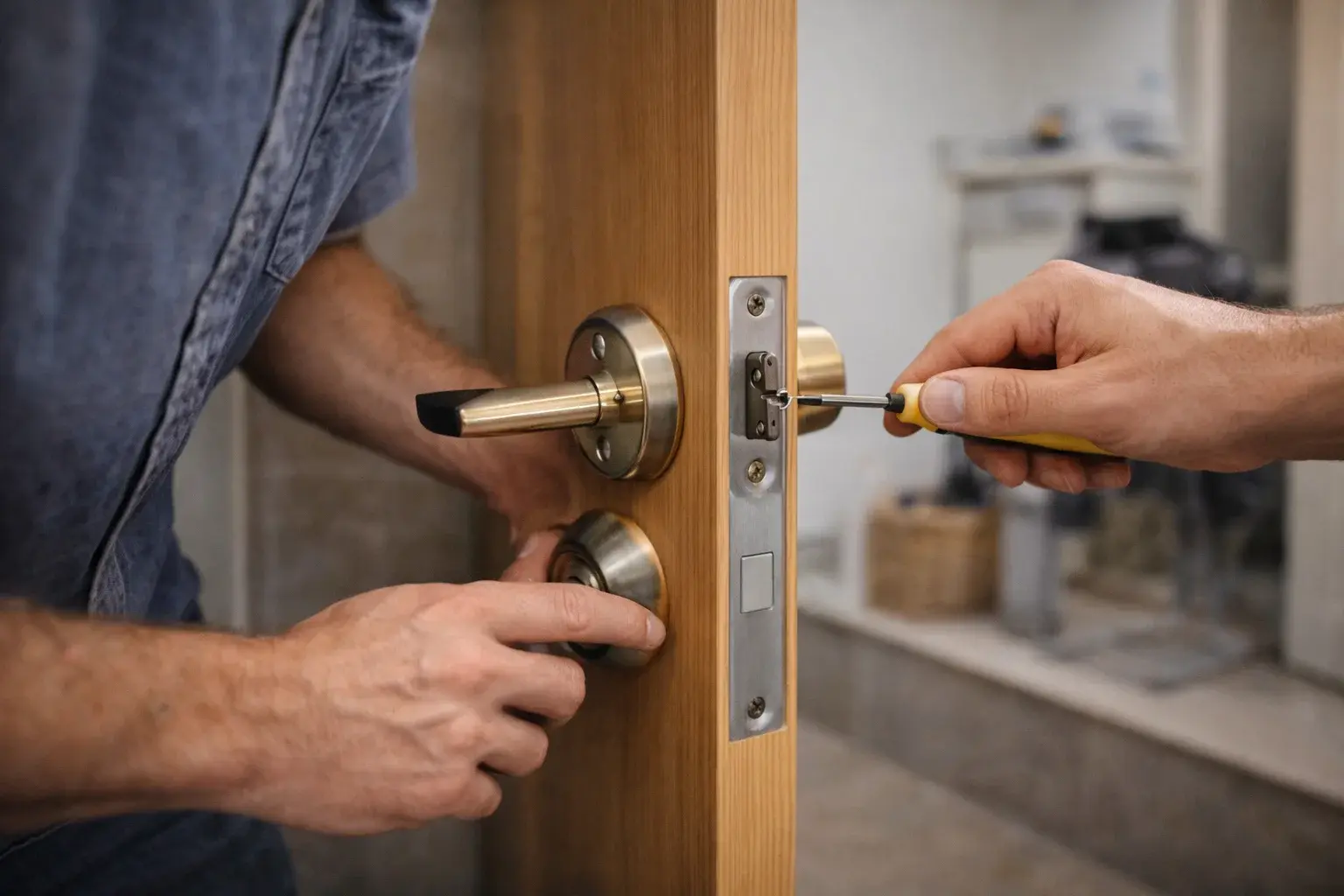
Rubbing, loose hinges and latch problems should be identified before painting. Extra paint can make tight clearances worse. Suitable hardware repairs can be requested separately, but a new finish is not a substitute for correcting an underlying door movement issue.
The agreed service covers small internal-door painting jobs, compatible surface preparation and agreed finish. Exclusions: Fire/smoke door certification or modifications, exterior coating systems, hazardous paint stripping, door replacement.