



Access arranged
Clear the immediate working area where safe and explain heavy furniture or restricted entry. For rentals or managed properties, agree the appropriate permission and identify the person who can provide access.
Melbourne handyman & property maintenance
Painting · Mulgrave
A useful internal door painting enquiry in Mulgrave shows both the item and its surroundings. Show both sides of the internal door, its edges, hardware and the current coating in good light. Fix Nik can explain what affects suitable work on small repainting jobs on suitable internal door leaves, without assuming a solution before the details are reviewed.
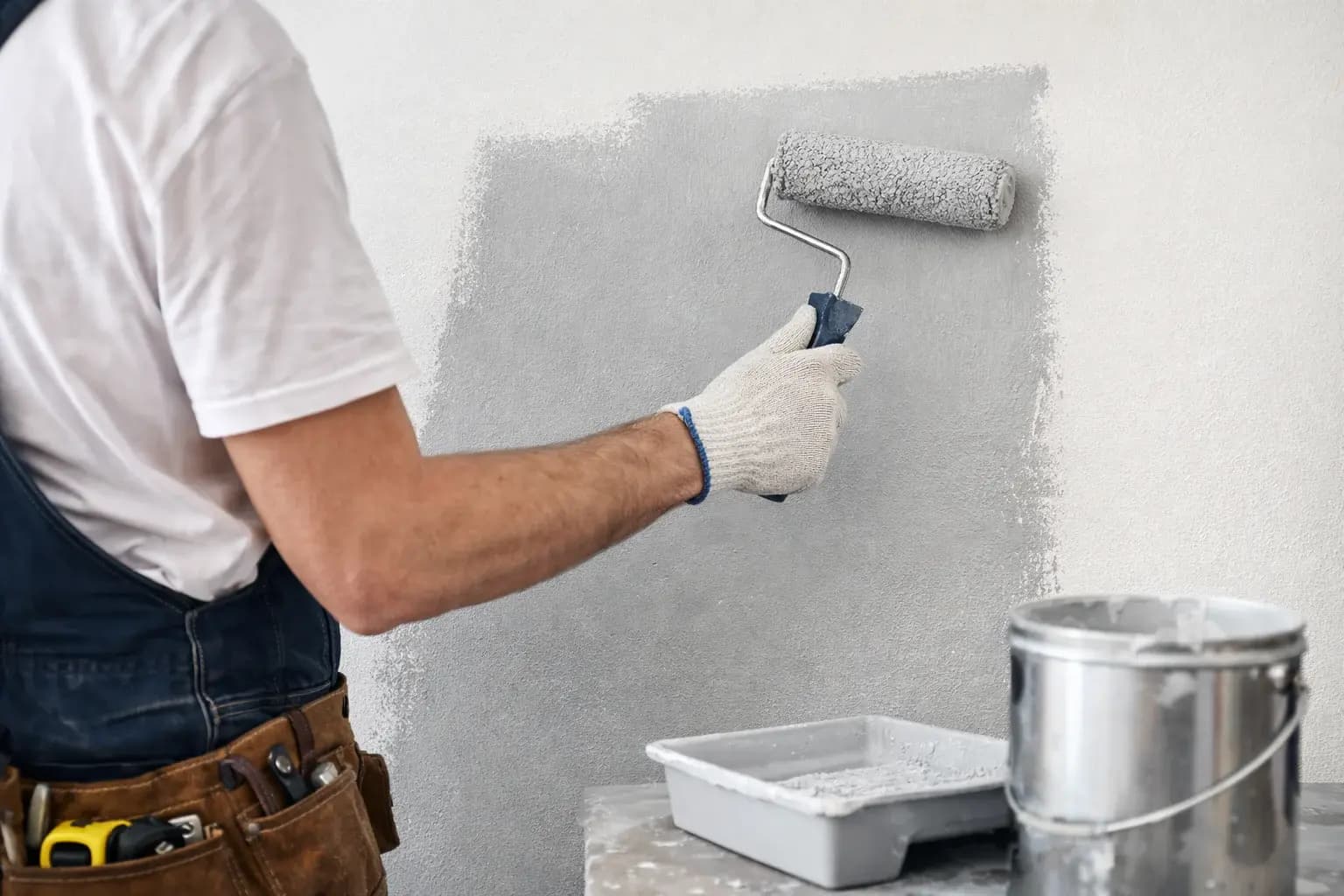
Internal Door Painting
small repainting jobs on suitable internal door leaves
Service overview
An internal door may need to remain open between coating stages. Tell Fix Nik whether it serves a bathroom, bedroom or another frequently used room. Practical access arrangements matter when the room cannot simply be taken out of use.
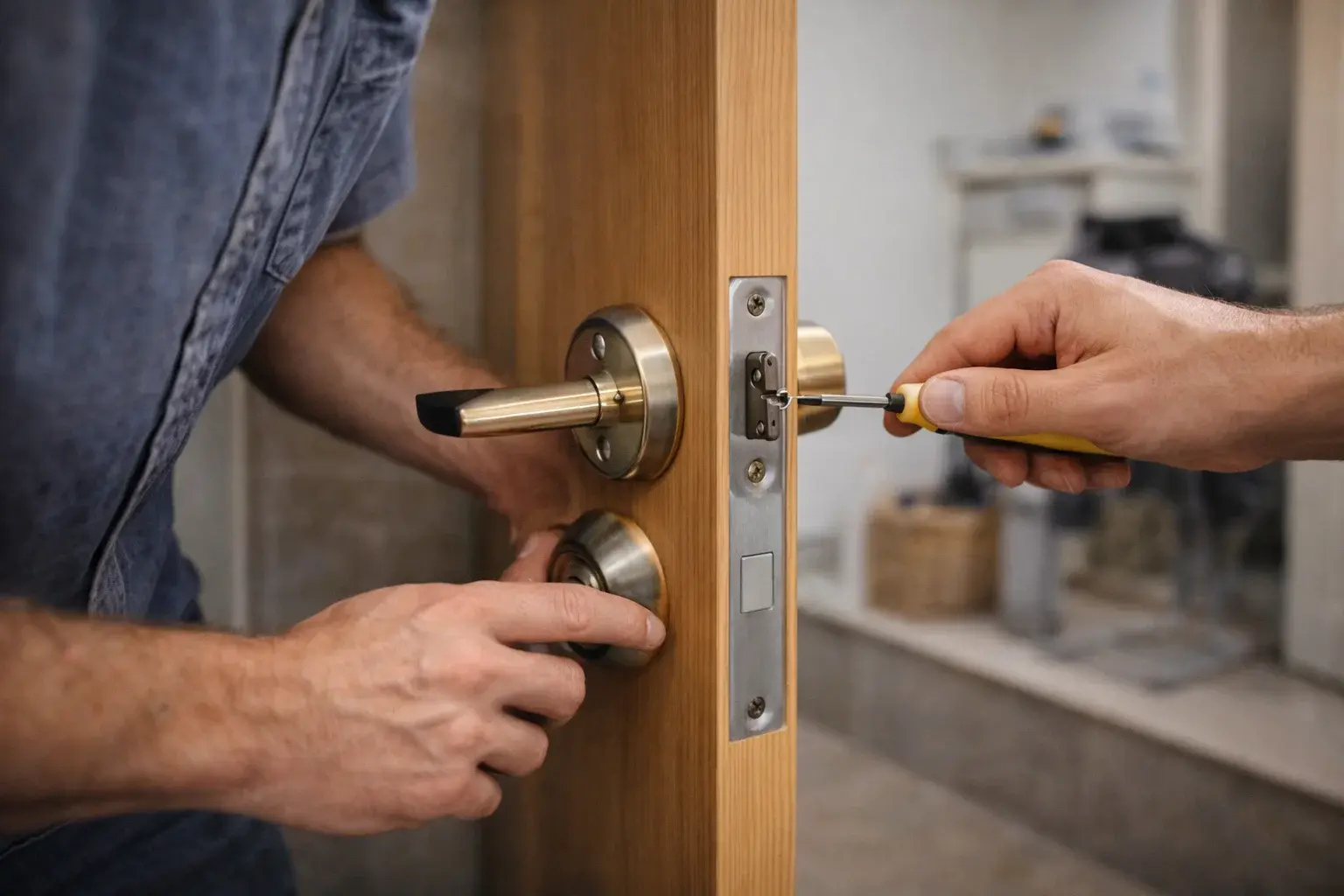
Handles, hinges and nearby floor surfaces need an agreed protection plan. Explain whether the hardware is delicate or has a specialist function. Removal or refitting of components should be discussed, and no alteration to a certified door assembly is implied.
Identify any fire or smoke door and any uncertainty about the assembly. This service does not include certification, modification or specialist restoration. Exterior doors and hazardous coating removal also need separate review rather than being added to an internal-door painting scope.
The agreed service covers small internal-door painting jobs, compatible surface preparation and agreed finish. Exclusions: Fire/smoke door certification or modifications, exterior coating systems, hazardous paint stripping, door replacement.
Mulgrave property context
Planning internal door painting in Mulgrave starts with the actual item and its setting. Show both sides of the internal door, its edges, hardware and the current coating in good light. The address identifies the locality; it does not establish the construction, condition or accessibility of the property. Provide operating constraints, the site contact and the person authorised to approve the quote. Identify customer-facing or restricted areas so access requirements are understood before a visit is considered.
Planning the work
Clear the immediate working area where safe and explain heavy furniture or restricted entry. For rentals or managed properties, agree the appropriate permission and identify the person who can provide access.
Show both sides of the internal door, its edges, hardware and the current coating in good light. Keep labels and instructions available so the item can be identified accurately instead of relying on a general description.
Unexpected conditions can alter the available options. Any additional work, different components or separate specialist requirement should be discussed before extending the agreed task, rather than treated as automatically included.
Door material, coating adhesion and mechanical operation need review before a new finish is agreed. Any unresolved requirement should be explained before committing to a visit or buying additional materials.
Common situations
Rubbing, loose hinges and latch problems should be identified before painting. Extra paint can make tight clearances worse. Suitable hardware repairs can be requested separately, but a new finish is not a substitute for correcting an underlying door movement issue.
List whether the request covers one face, both faces or accessible edges. A door frame and surrounding architraves are separate surfaces. Defining those boundaries helps keep a small internal-door painting quote clear before preparation begins.
Timber, coated composite and previously painted surfaces do not always take the same preparation. Send product information where available. A coating choice should follow compatibility checks rather than assuming any household paint can be applied over the existing finish.
How it works
Show both sides of the internal door, its edges, hardware and the current coating in good light.
Door material, coating adhesion and mechanical operation need review before a new finish is agreed.
Protect suitable hardware and adjacent finishes, prepare compatible surfaces and apply the agreed internal-door coating.
Confirm the Mulgrave address, access contact and preparation. Mention anything that limits safe handling or use of the space before scheduling.
Follow the coating guidance before closing against stops or cleaning the finish. Paint does not correct a door that rubs or will not latch.
FAQ
Door material, coating adhesion and mechanical operation need review before a new finish is agreed. Explain what has already been changed and show the current condition. Retain loose parts or product labels. Previous work can affect the available options, so it should be disclosed before the quote is agreed.
Protect suitable hardware and adjacent finishes, prepare compatible surfaces and apply the agreed internal-door coating. Arrange the required owner or manager permission and identify the access contact. Include restrictions affecting drilling, finishes or room use where relevant; the property address alone does not establish authority to carry out work.
Show both sides of the internal door, its edges, hardware and the current coating in good light. Mention stairs, restricted entry, furniture obstructions and the person arranging access. Any unusual handling or equipment requirement should be reviewed before a date is agreed rather than assumed from the suburb.
Handles, hinges and nearby floor surfaces need an agreed protection plan. Explain whether the hardware is delicate or has a specialist function. Removal or refitting of components should be discussed, and no alteration to a certified door assembly is implied.
List whether the request covers one face, both faces or accessible edges. A door frame and surrounding architraves are separate surfaces. Defining those boundaries helps keep a small internal-door painting quote clear before preparation begins.
Show both sides of the internal door, its edges, hardware and the current coating in good light. Explain which spaces need to remain usable and who can arrange access. The appointment and preparation are agreed around the actual work; an occupied room should not be assumed to be clear or ready.
Follow the coating guidance before closing against stops or cleaning the finish. Paint does not correct a door that rubs or will not latch. Any limitations, unfinished stages or separate work should be explained at handover. Keep relevant product information and tell Fix Nik if the original issue returns rather than making repeated improvised adjustments.
Show both sides of the internal door, its edges, hardware and the current coating in good light. Include your Mulgrave address and access details so Fix Nik can review the work and explain the next step.