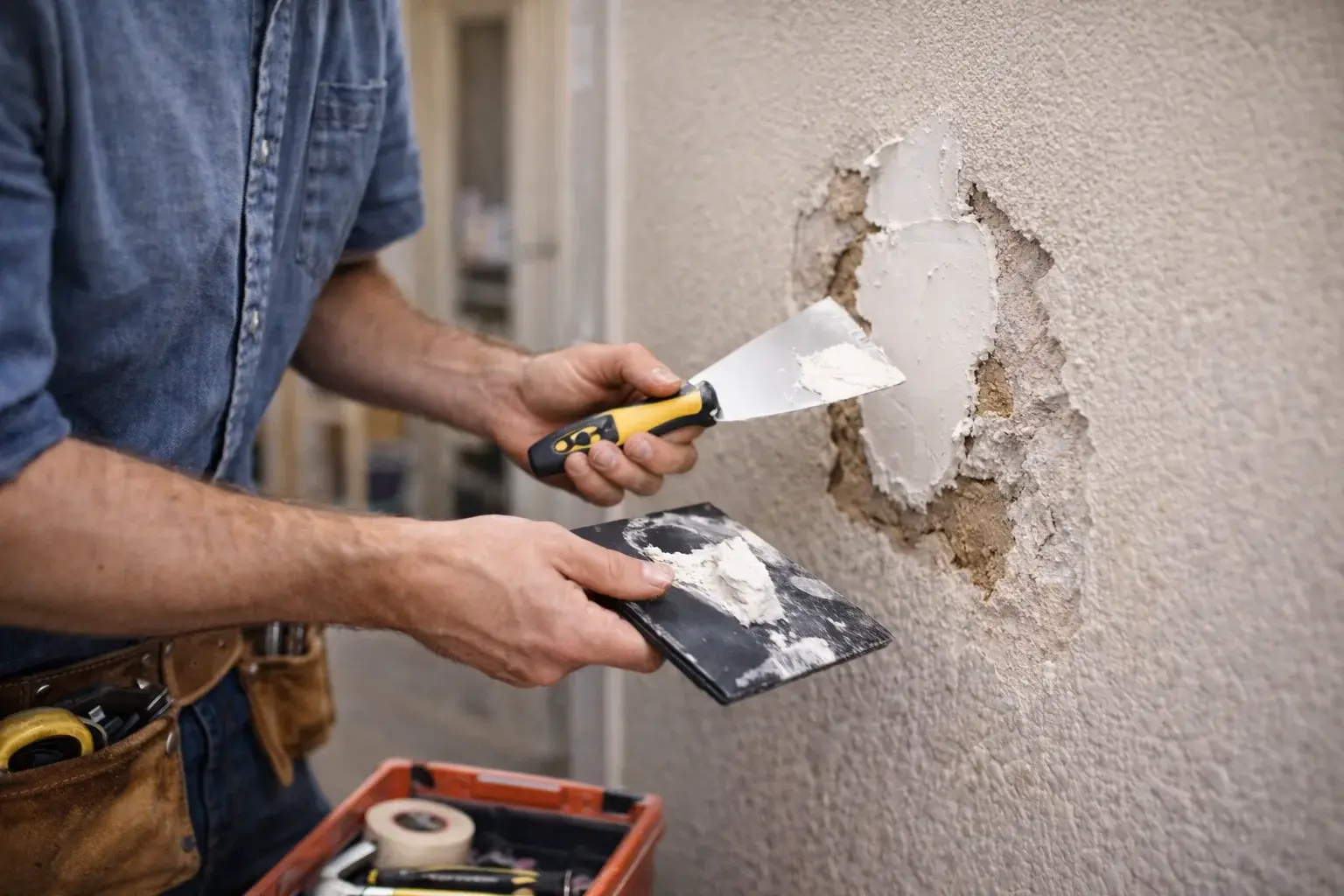
cornice repair can be appropriate when a stable local hole, dent, crack, patch edge or surface mark is visible. Check the ordinary profile, sound attachment and stable surrounding surfaces before choosing a minor repair or short replacement.
Signs: a finish looks damaged and needs preparation before painting or a local area needs a bounded cosmetic repair rather than an assumed structural diagnosis. Causes: ordinary impact damage or local surface wear or minor finish movement at a suitable stable surface.
The remaining cornice and adjacent surfaces must be sound enough for ordinary work. Large loose or heavy sections are outside this minor service. Do not pull at a suspect section for photographs; describe the concern so suitable next steps can be discussed.
Where a local piece is unsuitable for repair, a matching short section may be considered. The scope should identify removal, fitting and joint finishing. It does not imply rebuilding the ceiling edge or replacing hidden framing behind the decorative material.
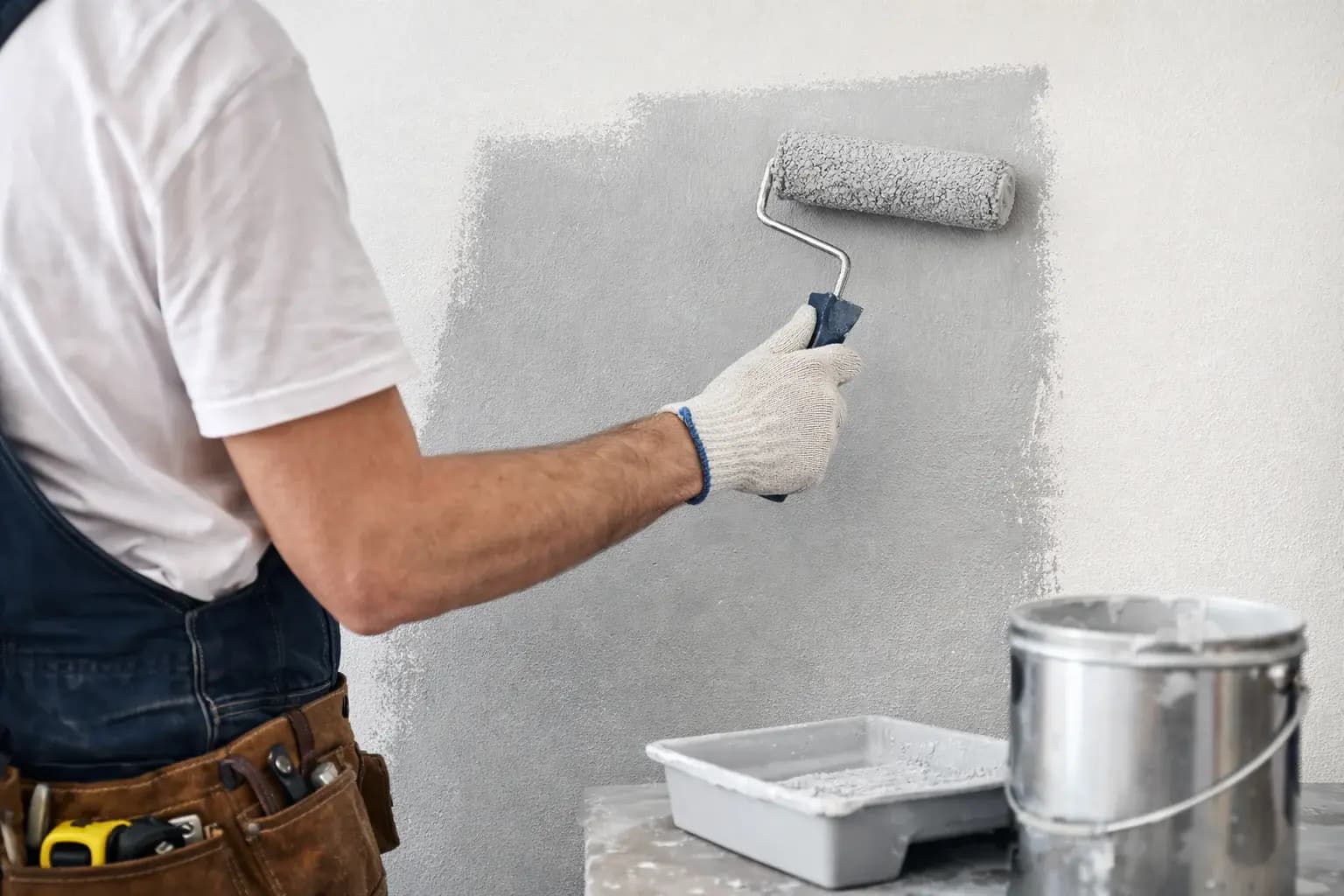
Allow finishing materials to dry and agree the paint boundary. Report recurring separation rather than repeatedly covering a moving joint. Limits: Minor ordinary stable cornice repairs and short matching sections only. No ornate heritage restoration, large loose sections, structural movement diagnosis or hazardous materials.