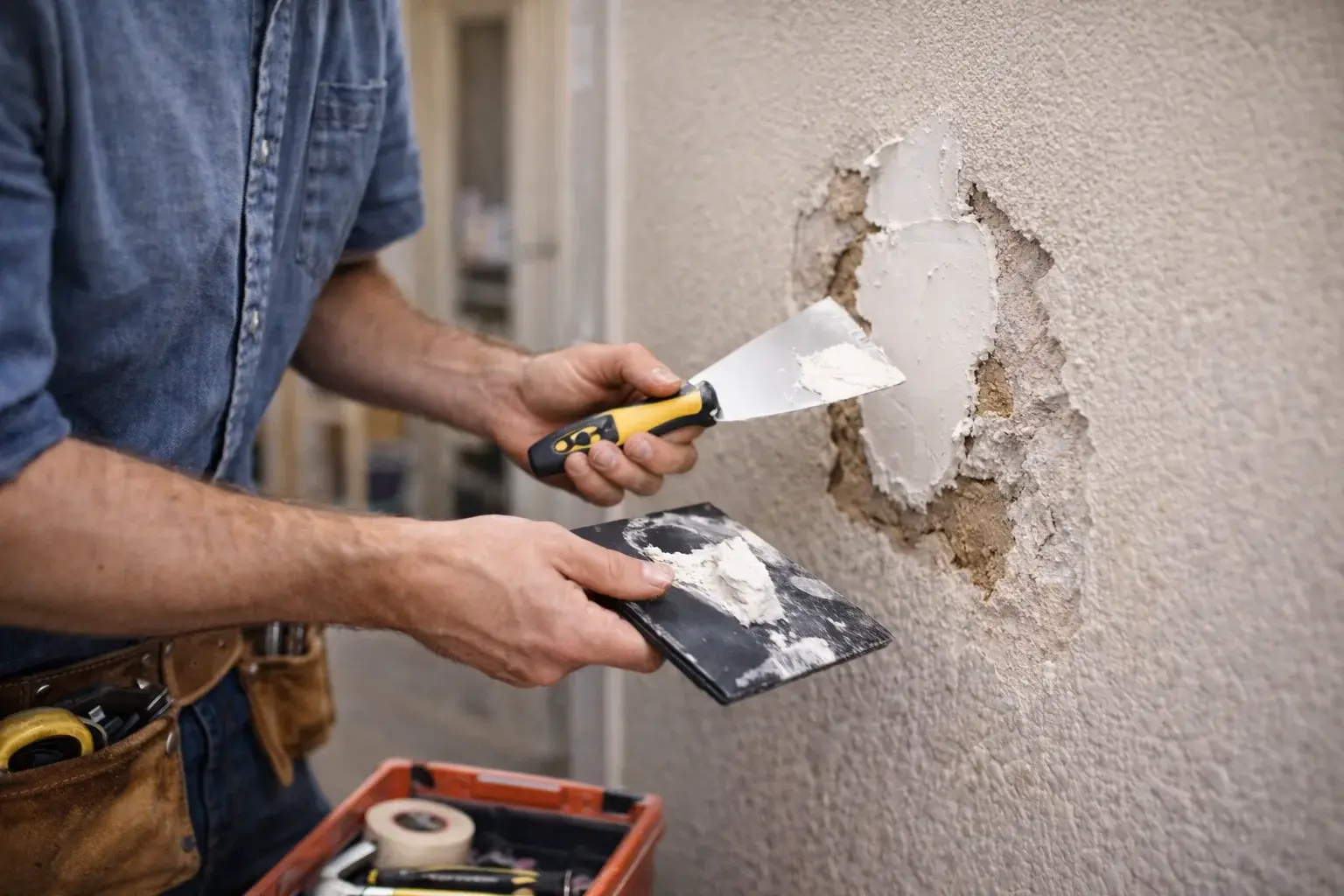
cornice repair can be appropriate when a stable local hole, dent, crack, patch edge or surface mark is visible. Check the ordinary profile, sound attachment and stable surrounding surfaces before choosing a minor repair or short replacement.
Signs: a stable local hole, dent, crack, patch edge or surface mark is visible or a finish looks damaged and needs preparation before painting. Causes: minor finish movement at a suitable stable surface or ordinary impact damage or local surface wear.
Identify the full affected length and adjoining sound sections. A short compatible replacement can be different from renewing an entire room. Availability of a matching profile affects the options, so confirm the proposed material before removing the original cornice.
Joint finishing needs to suit the profile without flattening its shape. Existing paint build-up or textured surfaces can affect the match. Agree the intended finish before work starts, including whether remaining surrounding defects are outside the quoted minor repair.
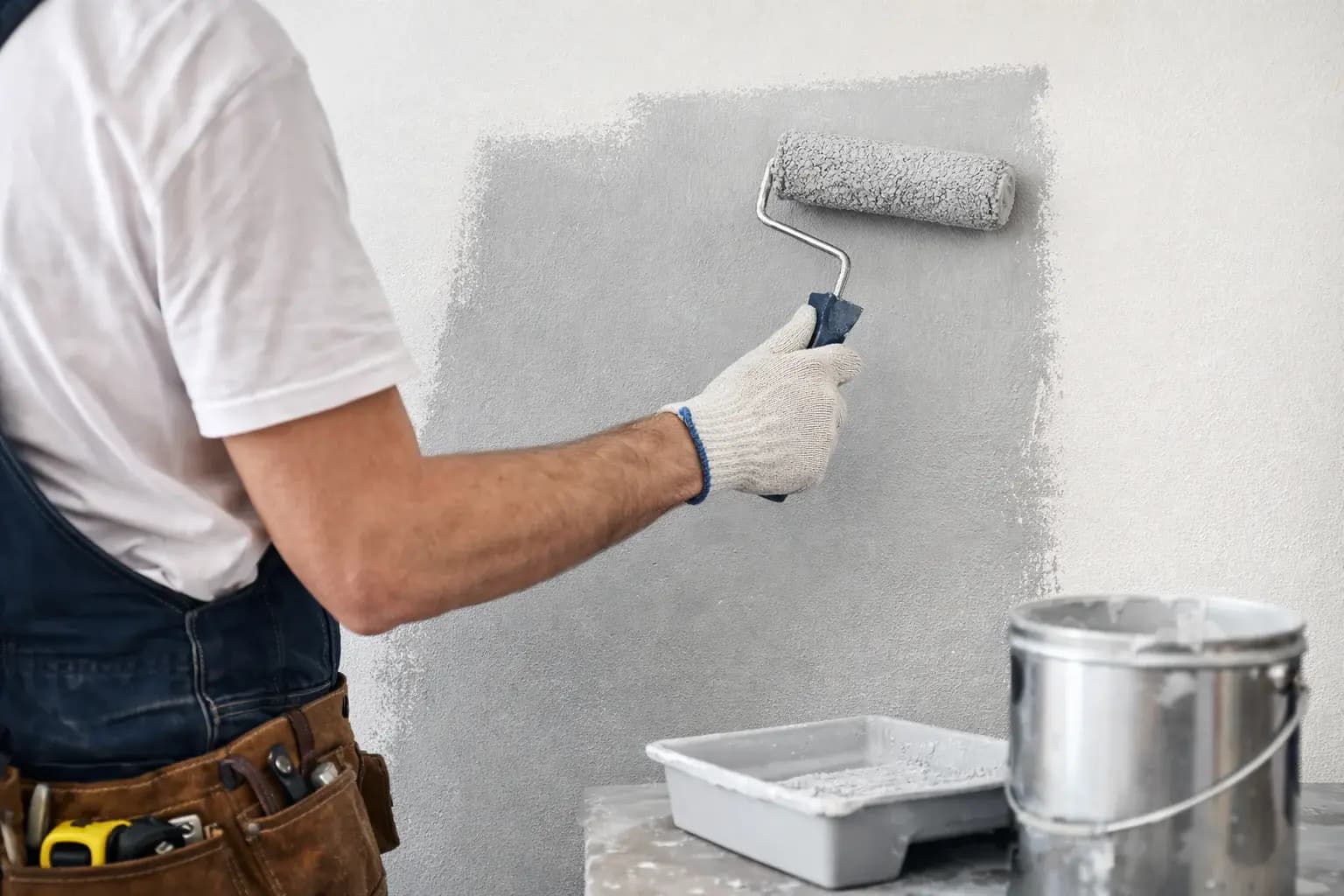
Repair suitable minor joints or fit an agreed short compatible cornice section, then prepare the accepted area for decoration. Limits: Minor ordinary stable cornice repairs and short matching sections only. No ornate heritage restoration, large loose sections, structural movement diagnosis or hazardous materials.