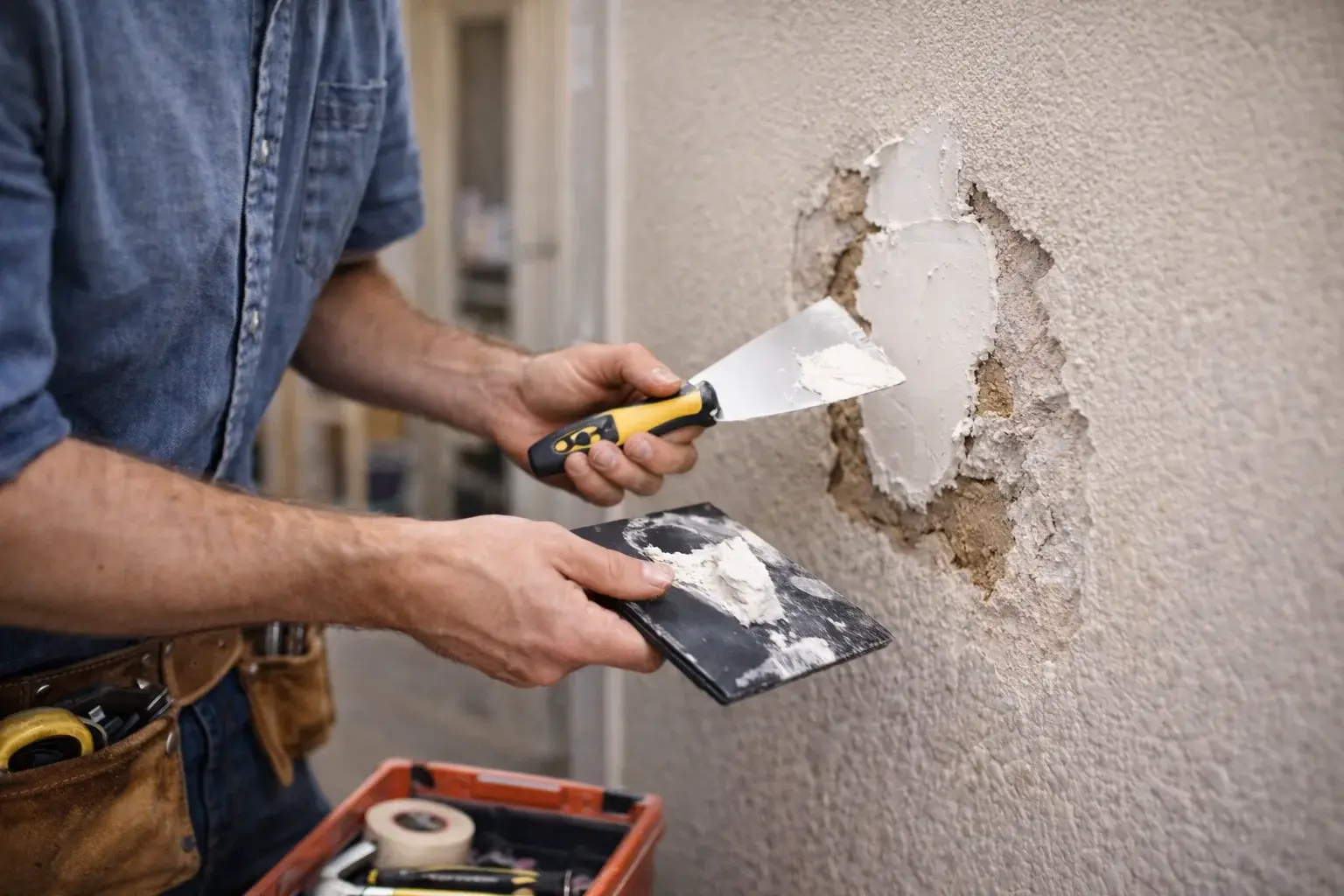
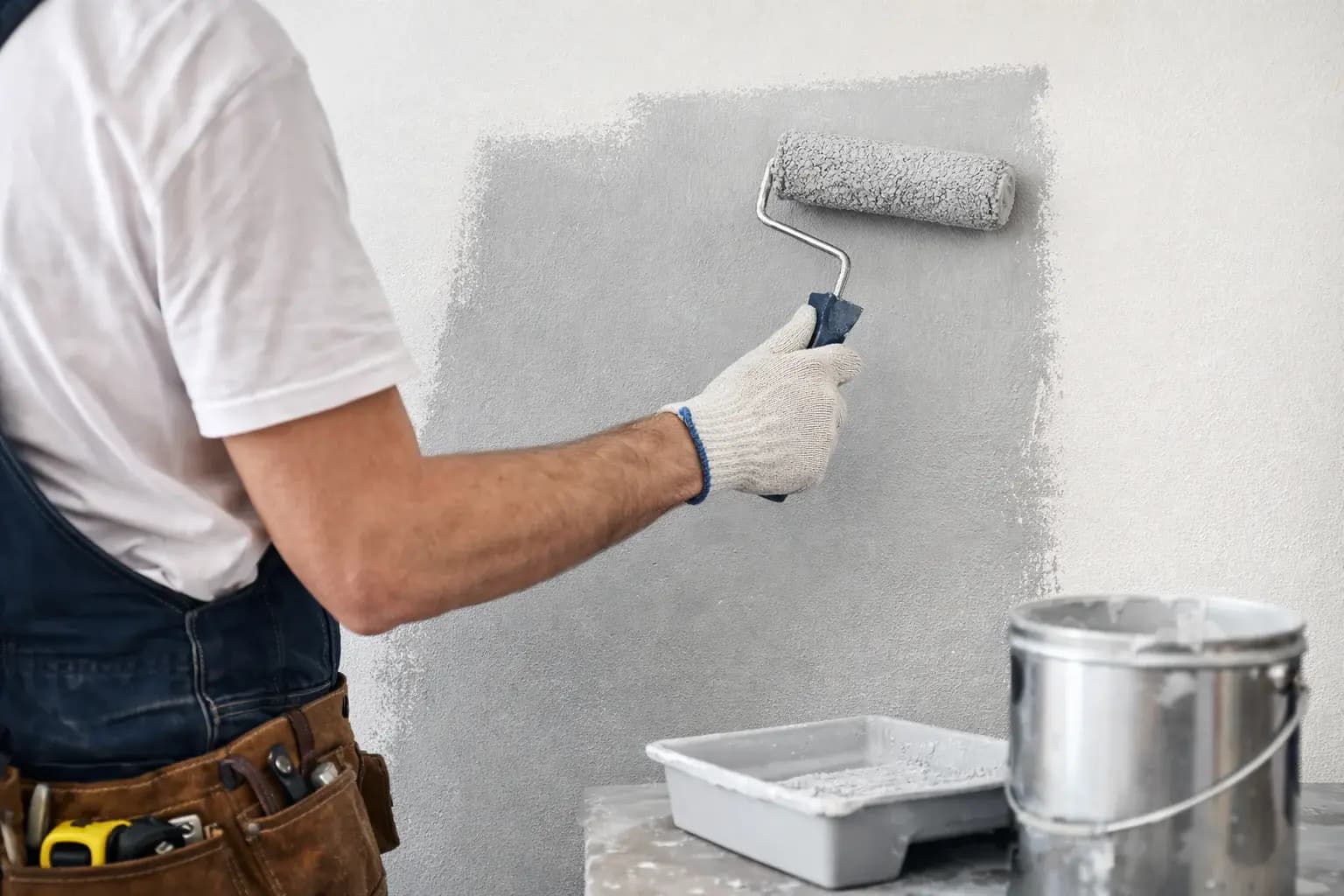
A practical cornice repair decision starts with the affected item, its condition and the surrounding materials. Repair suitable minor joints or fit an agreed short compatible cornice section, then prepare the accepted area for decoration.
Signs: a stable local hole, dent, crack, patch edge or surface mark is visible or a finish looks damaged and needs preparation before painting. Causes: minor finish movement at a suitable stable surface or a previous patch or coating that needs preparation.
A small stable joint defect may be suitable for minor repair. Repeated opening, loose material or uncertain attachment changes that assessment. Describe when the defect appeared without assuming its cause; this service does not diagnose structural movement or certify a ceiling junction.
A repaired cornice section may need sealing and paint after drying. Local paint can look different from aged surrounding surfaces. List decoration separately so a cornice repair does not silently become a room repaint or promise an invisible colour match.
Allow finishing materials to dry and agree the paint boundary. Report recurring separation rather than repeatedly covering a moving joint. Limits: Minor ordinary stable cornice repairs and short matching sections only. No ornate heritage restoration, large loose sections, structural movement diagnosis or hazardous materials.