



Minor surface crack
Include its length and any known history. Recurring or widening cracks should be assessed before they are treated as cosmetic defects.
Melbourne handyman & property maintenance
Plaster / wall · Doncaster
A useful plaster repair enquiry in Doncaster shows more than a close-up of the damage. Send a close view with approximate dimensions and a wider wall view showing nearby fittings, finish and access. Whether the issue involves small wall holes, dents and suitable damaged plasterboard patches, the aim is to agree a practical scope that suits the existing material and its condition.
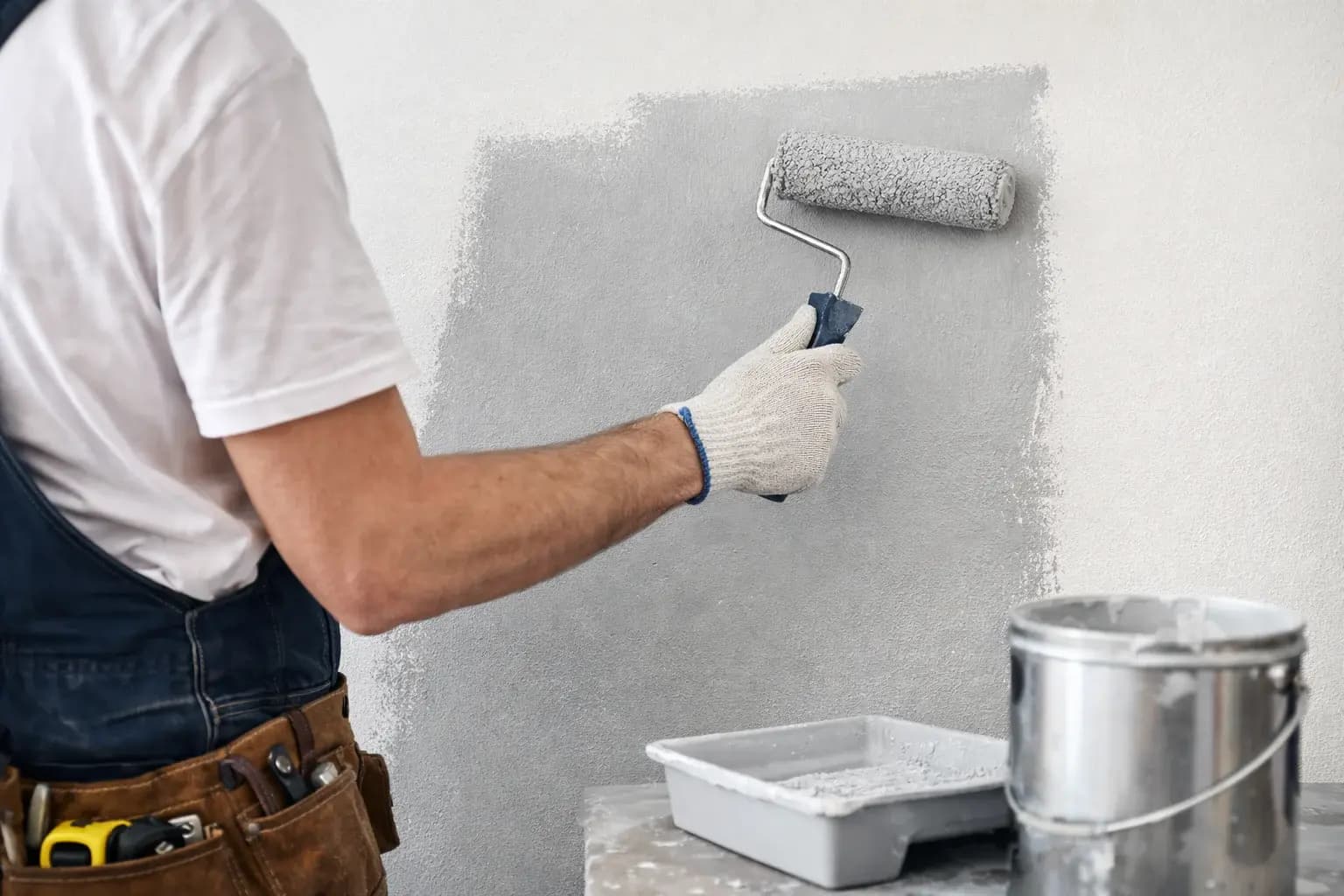
Plaster Repair
small wall holes, dents and suitable damaged plasterboard patches
Doncaster property context
For Doncaster enquiries, combine the job details with practical access information. If a tenant or property manager is involved, agree who can provide entry and authorise the quoted work. Agree patching, backing where suitable, drying stages, sanding and any separate painting requirements. Any separate finishing requirement should be raised with the initial photos. For a Doncaster quote, describe each task separately and note height, parking, tenant access or preferred appointment windows. This gives the Owner enough context to assess the request without collecting unnecessary personal information.
Service overview
Matching the surrounding finish can influence how much preparation is needed. Existing texture, paint sheen and lighting may make a small patch visible even when its surface is smooth. Discuss the intended result and any wider paint touch-up before work is scheduled.
Drying, sanding and finishing are separate stages. A repair that looks complete while wet may still need time before a coating can be applied. The quote should explain the preparation and paint scope rather than assuming a single visit will produce a fully repainted wall.
A patch needs sound surrounding material and an appropriate backing or repair method. The size of the visible hole is only part of the job: loose edges, previous patches and the condition behind the surface can affect what is practical. Include a wide view as well as a close photograph.
Common repair scenarios
Include its length and any known history. Recurring or widening cracks should be assessed before they are treated as cosmetic defects.
Identify the surface repairs separately from repainting. Preparation and final coating need an agreed scope and suitable drying stages.
Shallow dents and broken board need different preparation. Side lighting in a photo can help show the damaged surface without enlarging it.
List the holes and identify what was removed. Several small patches can be considered together if access and finish expectations are clear.
Show the hole with a ruler beside it and a wider room view. The surrounding material and any visible backing help explain the repair.
Show the impact point and the door movement. A suitable stop or related fitting repair may help avoid repeating the damage.
How it works
Send a close view with approximate dimensions and a wider wall view showing nearby fittings, finish and access.
Review the damaged surface, sound surrounding material and whether the concern is suitable for a minor non-structural patch.
Agree patching, backing where suitable, drying stages, sanding and any separate painting requirements.
Confirm access to your Doncaster property, protect nearby belongings and agree any preparation before the visit.
Allow the specified drying time and discuss primer or paint preparation before applying the final finish.
Why Fix Nik
Dimensions, finish and the condition around the damaged part are reviewed together. Compatible replacement material matters more than a close visual resemblance.
Structural movement, significant recurring cracks, sagging ceilings and suspect hazardous materials need appropriate specialist assessment.
Allow the specified drying time and discuss primer or paint preparation before applying the final finish. Any limitations or finishing stages should be understood before normal use.
FAQ
Allow the specified drying time and discuss primer or paint preparation before applying the final finish. If the original symptom returns, note what has changed and share a photo rather than repeatedly adjusting or covering the affected area. Follow any specific guidance agreed for the materials used.
Texture, paint sheen and existing lighting influence the appearance. Discuss the finish expectation in advance; an exact invisible match cannot be promised from photographs alone.
Drying and preparation requirements depend on the repair materials and conditions. Follow the agreed stages rather than applying paint to a surface that is not ready.
Yes, suitable small holes and damaged plasterboard patches are assessed within this service. The condition around the opening and any hidden concerns affect the agreed repair method.
Keeping suitable material can limit disruption, but only when the remaining support and condition allow it. Agree patching, backing where suitable, drying stages, sanding and any separate painting requirements. If a small repair would leave the cause unresolved, the replacement or specialist options should be discussed first.
Clear belongings from the immediate work area and keep access available. Send a close view with approximate dimensions and a wider wall view showing nearby fittings, finish and access. Tell Fix Nik about fragile finishes, restricted entry or anything that must remain in use; dismantling the affected part yourself is not necessary.
No. Photos help explain visible condition but cannot confirm concealed support or the extent of hidden damage. Structural movement, significant recurring cracks, sagging ceilings and suspect hazardous materials need appropriate specialist assessment. Where the repair depends on something that cannot be checked remotely, the limitation should be resolved before proceeding.
Send a close view with approximate dimensions and a wider wall view showing nearby fittings, finish and access. Include your Doncaster address and access details so suitable work can be discussed.