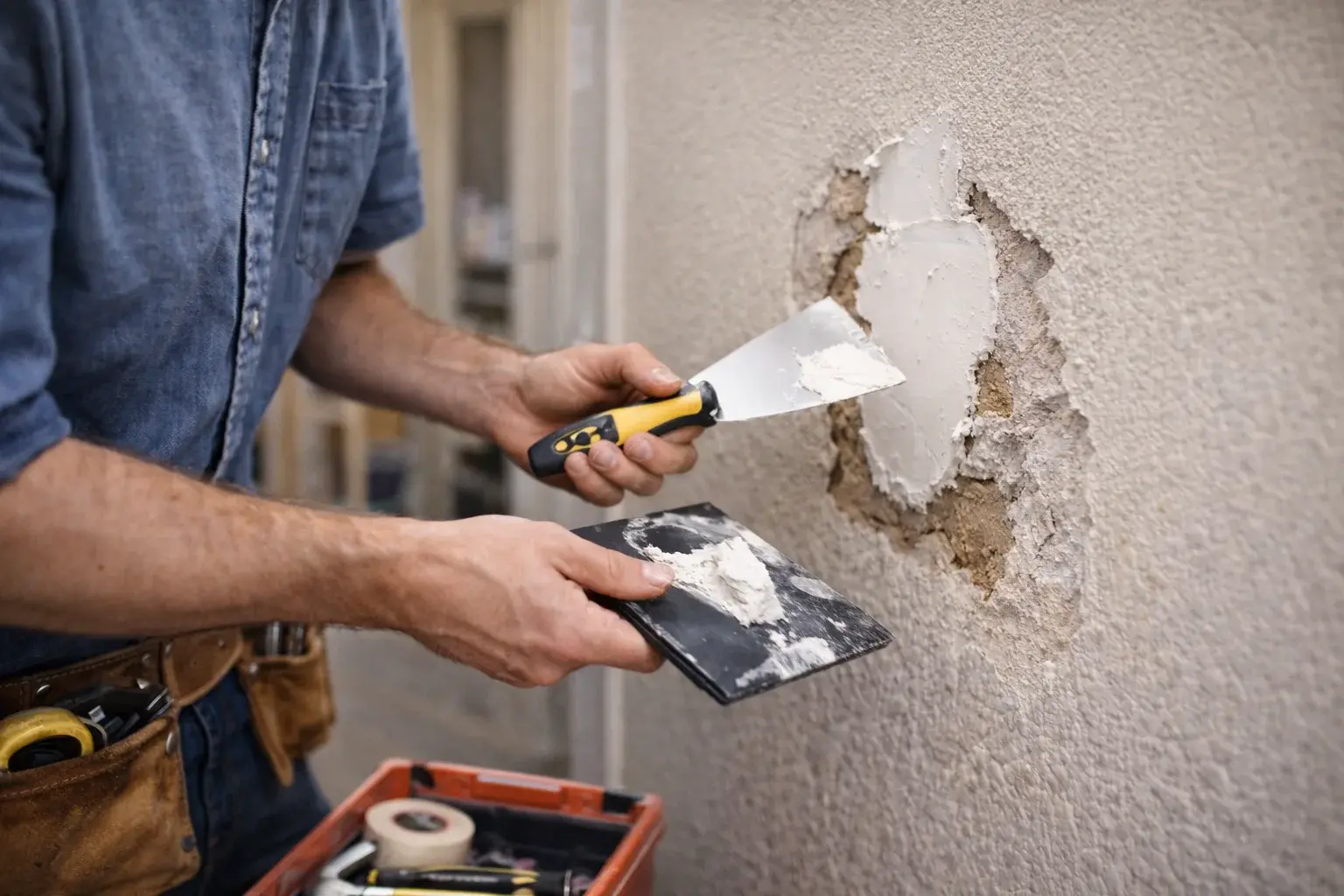
wall crack repair can be appropriate when a stable local hole, dent, crack, patch edge or surface mark is visible. Review the crack pattern, dryness and evidence of movement before accepting a minor cosmetic surface repair.
Signs: a finish looks damaged and needs preparation before painting or a local area needs a bounded cosmetic repair rather than an assumed structural diagnosis. Causes: minor finish movement at a suitable stable surface or ordinary impact damage or local surface wear.
Filling, drying and sanding may require more than one practical step. For wall crack repair, this detail is reviewed before work is accepted so the agreed task stays practical and proportionate. No structural diagnosis, subsidence assessment, active moisture repair, hazardous materials or engineering work.
Loose finish must be addressed before compound can form a neat local repair. For wall crack repair, this detail is reviewed before work is accepted so the agreed task stays practical and proportionate. No structural diagnosis, subsidence assessment, active moisture repair, hazardous materials or engineering work.
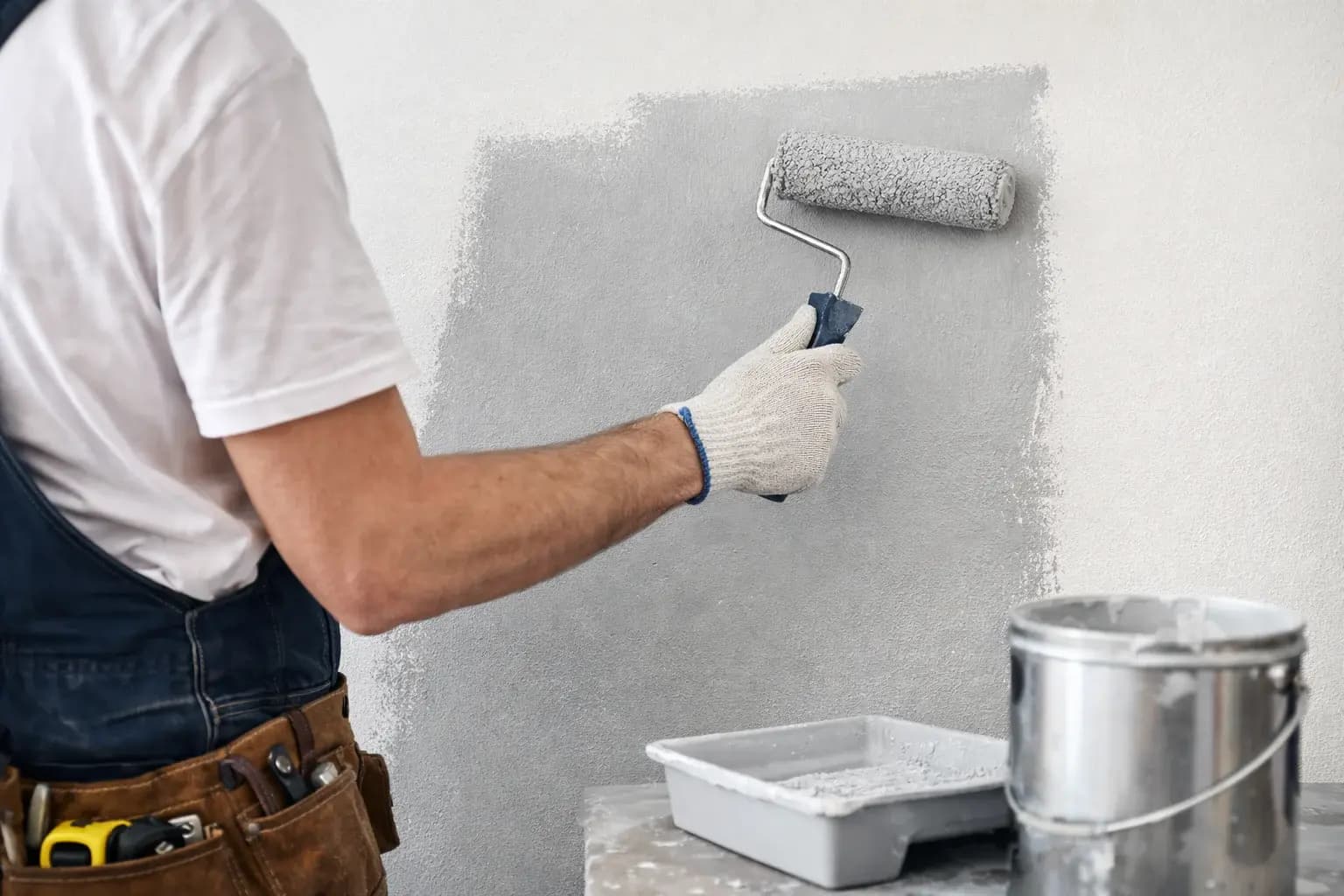
Prepare and repair an agreed suitable stable surface crack for the next agreed paint or finishing stage. Limits: Minor stable cosmetic surface cracks only. No structural diagnosis, subsidence assessment, active moisture repair, hazardous materials or engineering work.