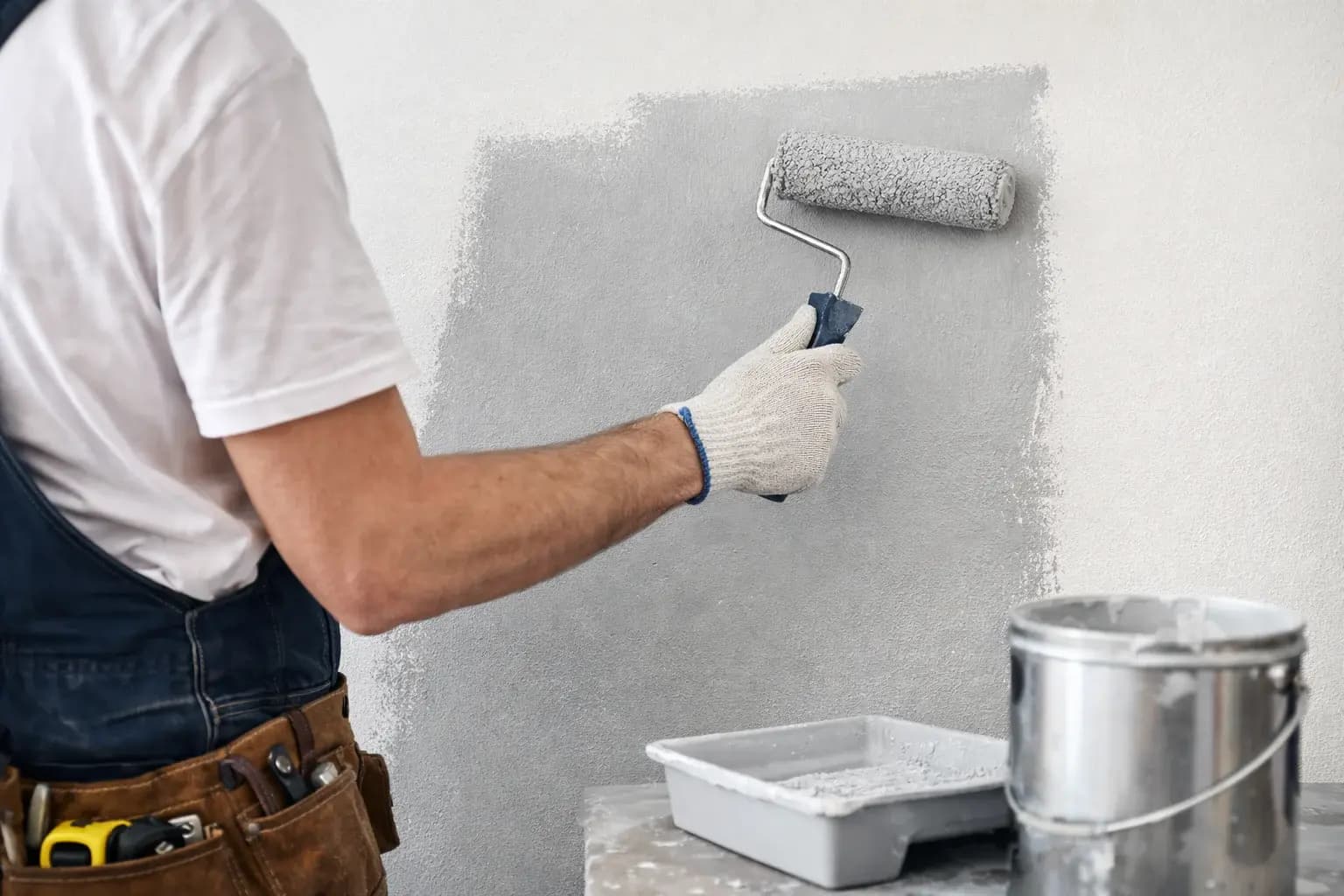




An agreed task
Prepare and repair an agreed suitable stable surface crack for the next agreed paint or finishing stage. Identify any additional items separately so the scope and preparation are understood by everyone arranging the work.
Melbourne handyman & property maintenance
Plaster & Wall Repairs · Vermont
Need wall crack repair in Vermont? Fix Nik can review minor stable cosmetic cracks in suitable internal wall surfaces. Send wide and close photos of the crack, its length, nearby corners and any recent changes you have noticed. A clear enquiry helps establish suitable work, the required preparation and any limitations before a visit is arranged.
Service overview
wall crack repair can be appropriate when a stable local hole, dent, crack, patch edge or surface mark is visible. Review the crack pattern, dryness and evidence of movement before accepting a minor cosmetic surface repair.
Signs: a local area needs a bounded cosmetic repair rather than an assumed structural diagnosis or a finish looks damaged and needs preparation before painting. Causes: a previous patch or coating that needs preparation or minor finish movement at a suitable stable surface.
A photo that shows its full length helps separate a local finish issue from broader movement. For wall crack repair, this detail is reviewed before work is accepted so the agreed task stays practical and proportionate. No structural diagnosis, subsidence assessment, active moisture repair, hazardous materials or engineering work.
Loose finish must be addressed before compound can form a neat local repair. For wall crack repair, this detail is reviewed before work is accepted so the agreed task stays practical and proportionate. No structural diagnosis, subsidence assessment, active moisture repair, hazardous materials or engineering work.
Monitor the area after repair and report recurrence, widening, moisture or movement rather than repeatedly covering the symptom. Limits: Minor stable cosmetic surface cracks only. No structural diagnosis, subsidence assessment, active moisture repair, hazardous materials or engineering work.
Vermont property context
Vermont sits within the existing Eastern Melbourne coverage. For wall crack repair, measurements, product information and access details are more useful than assumptions about the suburb's buildings. Review the crack pattern, dryness and evidence of movement before accepting a minor cosmetic surface repair. For loose fittings, damaged surfaces or hardware faults, state what should work or look different afterwards. Measurements and labelled photos help keep small tasks precise.
Planning the work
Prepare and repair an agreed suitable stable surface crack for the next agreed paint or finishing stage. Identify any additional items separately so the scope and preparation are understood by everyone arranging the work.
Clear the immediate working area where safe and explain heavy furniture or restricted entry. For rentals or managed properties, agree the appropriate permission and identify the person who can provide access.
Monitor the area after repair and report recurrence, widening, moisture or movement rather than repeatedly covering the symptom. Discuss any final finish or product-specific restrictions before returning the area to ordinary use.
Send wide and close photos of the crack, its length, nearby corners and any recent changes you have noticed. Keep labels and instructions available so the item can be identified accurately instead of relying on a general description.
Common situations
Staining, dampness or soft material changes the suitability of a simple patch. For wall crack repair, this detail is reviewed before work is accepted so the agreed task stays practical and proportionate. No structural diagnosis, subsidence assessment, active moisture repair, hazardous materials or engineering work.
Filling, drying and sanding may require more than one practical step. For wall crack repair, this detail is reviewed before work is accepted so the agreed task stays practical and proportionate. No structural diagnosis, subsidence assessment, active moisture repair, hazardous materials or engineering work.
Cracks at openings and joins can need a different assessment from a shallow surface line. For wall crack repair, this detail is reviewed before work is accepted so the agreed task stays practical and proportionate. No structural diagnosis, subsidence assessment, active moisture repair, hazardous materials or engineering work.
How it works
Send wide and close photos of the crack, its length, nearby corners and any recent changes you have noticed.
Review the crack pattern, dryness and evidence of movement before accepting a minor cosmetic surface repair.
Prepare and repair an agreed suitable stable surface crack for the next agreed paint or finishing stage.
Confirm the Vermont address, access contact and preparation. Mention anything that limits safe handling or use of the space before scheduling.
Monitor the area after repair and report recurrence, widening, moisture or movement rather than repeatedly covering the symptom.
FAQ
Cracks at openings and joins can need a different assessment from a shallow surface line. For wall crack repair, this detail is reviewed before work is accepted so the agreed task stays practical and proportionate. No structural diagnosis, subsidence assessment, active moisture repair, hazardous materials or engineering work.
Prepare and repair an agreed suitable stable surface crack for the next agreed paint or finishing stage. Relevant components can include plasterboard, compound, backing, corners, cornice edges, surface coatings and compatible paint preparation.
Monitor the area after repair and report recurrence, widening, moisture or movement rather than repeatedly covering the symptom.
Describe the visible problem and any previous repair attempt so the suitable wall crack repair scope can be reviewed before a visit. Include your Vermont address and access details so Fix Nik can review the work and explain the next step.
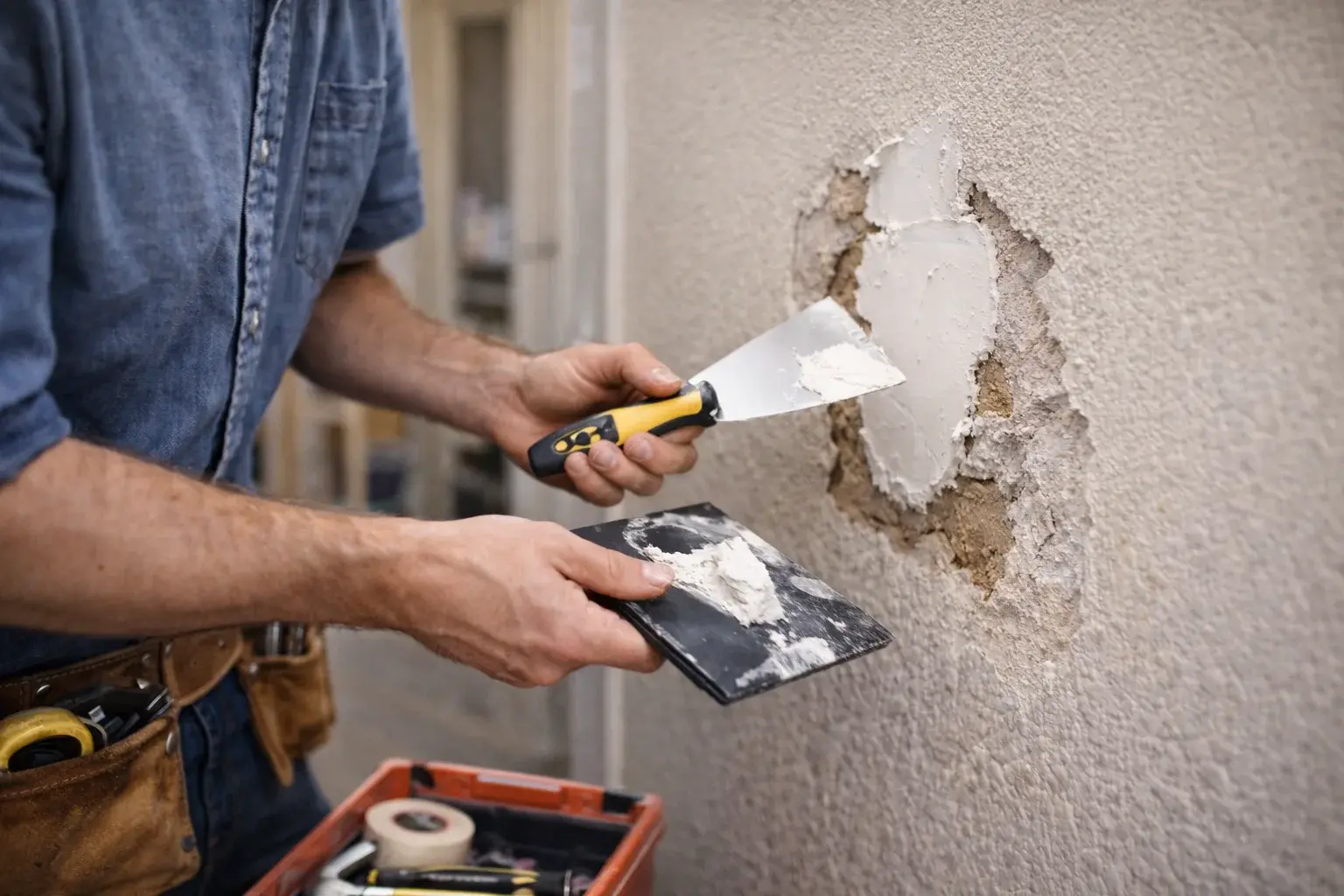
Wall Crack Repair
minor stable cosmetic cracks in suitable internal wall surfaces

Send wide and close photos of the crack, its length, nearby corners and any recent changes you have noticed. Keep the immediate work area accessible and identify tenancy, access or material restrictions before scheduling.
Send wide and close photos of the crack, its length, nearby corners and any recent changes you have noticed. Include a wide view, close details and any product or access information that affects the work.
separate active moisture, structural movement, services or hazardous-material concerns. Review the crack pattern, dryness and evidence of movement before accepting a minor cosmetic surface repair.
Review the crack pattern, dryness and evidence of movement before accepting a minor cosmetic surface repair. Provide any available product information, previous repair history or material details. A photograph supports an initial discussion but cannot confirm hidden condition, internal components or every fixing requirement.