



Soft decorative trim
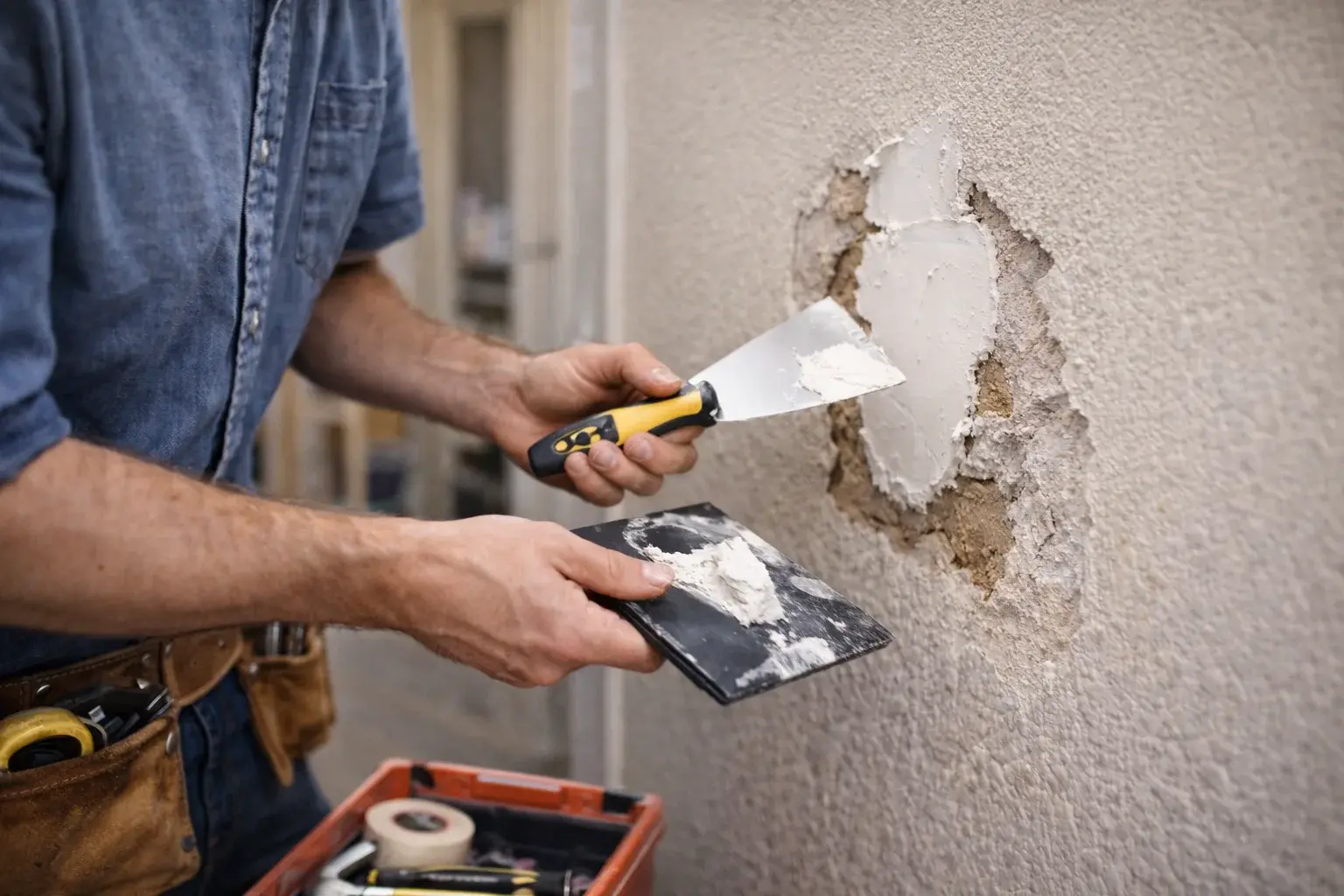
Identify the trim and the approximate affected length. Include the adjoining surface so its non-structural role and access can be reviewed.
Melbourne handyman & property maintenance
Carpentry · Belgrave Heights
Arrange timber rot repair for your Belgrave Heights property with a clear description of the fault. Show the whole timber piece, its adjoining supports and close views of visible deterioration; include known moisture or earlier repair history. Fix Nik can assess suitable work involving localised deteriorated non-structural timber and trim, explain what affects the repair and identify when a different specialist is needed.

Timber Rot Repair
localised deteriorated non-structural timber and trim
Service overview
Moisture history is useful when planning the work. A repaired section can deteriorate again if active water entry remains unresolved. Mention known leaks, recurring damp marks or previous patches so a surface repair is not mistaken for a solution to a separate building problem.
The visible damaged section may be smaller than the affected material behind it. Photographs help explain the concern, but they cannot establish the condition inside a timber member. Any change in the repair area should be discussed after the actual extent is understood.
Finishing should be planned with the repair rather than added as an assumption. Preparation, coating compatibility and drying conditions affect the result. A quote can distinguish timber replacement or repair from painting and from any specialist work needed to address the cause.
Common repair scenarios
Identify the trim and the approximate affected length. Include the adjoining surface so its non-structural role and access can be reviewed.
Explain the piece location and exposure. Small non-structural sections are assessed differently from posts, bearers or other supports.
Show the damage without breaking more material away. The remaining sound section determines whether a local repair is suitable.
Peeling paint can have several causes. Mention dampness or earlier repairs rather than assuming the visible coating is the only problem.
Number each timber section and record its dimensions where safe. Similar appearance does not mean every piece has the same repair scope.
Show the complete frame or trim and whether normal operation has changed. Hardware support and timber condition may need separate attention.
Belgrave Heights property context
For a timber rot repair visit in Belgrave Heights, describe the actual access to the affected part. A clear work area, permission to carry out the repair and any restrictions on entry help define the visit. Establish whether the affected piece is non-structural and whether sound surrounding material permits a focused repair. Belgrave Heights sits near Tecoma, Belgrave, Upwey and Belgrave South. Fix Nik can review practical maintenance requests across this part of Greater Melbourne, with the job scope and property conditions guiding timing, materials and the appropriate service.
How it works
Show the whole timber piece, its adjoining supports and close views of visible deterioration; include known moisture or earlier repair history.
Establish whether the affected piece is non-structural and whether sound surrounding material permits a focused repair.
Agree the accessible timber section, material match, preparation and any separately required specialist attention.
Confirm access to your Belgrave Heights property, protect nearby belongings and agree any preparation before the visit.
Follow coating and drying advice and report renewed moisture or softness; the original cause must not be hidden by a new finish.
Why Fix Nik
Show the whole timber piece, its adjoining supports and close views of visible deterioration; include known moisture or earlier repair history. Clear images help identify the questions that need answering.
Structural decay, unstable supports, active building leaks and suspected pest damage require the relevant qualified specialist.
Dimensions, finish and the condition around the damaged part are reviewed together. Compatible replacement material matters more than a close visual resemblance.
FAQ
Yes. Describe what you have noticed, when it started and whether it has changed. Establish whether the affected piece is non-structural and whether sound surrounding material permits a focused repair. Photos support an initial discussion, but a firm repair decision may still depend on seeing the material in person.
Show the whole timber piece, its adjoining supports and close views of visible deterioration; include known moisture or earlier repair history. Include an overall view as well as close-ups so the relationship between the faulty part and its surroundings is clear. Please do not remove components simply to take a photograph.
Discuss the product before purchasing it. Dimensions, fixing positions and compatibility matter, and an apparently similar part may not suit the existing assembly. Establish whether the affected piece is non-structural and whether sound surrounding material permits a focused repair. Photos and product details can help avoid buying an unsuitable replacement.
Structural supports are outside this minor timber scope. Do not rely on damaged supports or cover the defect; arrange the appropriate structural assessment before cosmetic repairs are considered.
Timing depends on the condition, access and compatible materials rather than the suburb. Agree the accessible timber section, material match, preparation and any separately required specialist attention. Preparation, drying or parts availability can affect the sequence. The practical timing is discussed once enough detail is available to define the job.
Known active water entry needs appropriate attention. Replacing or coating timber without addressing continuing moisture can leave the cause in place and lead to repeated damage.
No. Suspected pest activity requires appropriate specialist assessment and treatment. Include the concern in the enquiry so it is not confused with a minor decorative timber repair.
Show the whole timber piece, its adjoining supports and close views of visible deterioration; include known moisture or earlier repair history. Include your Belgrave Heights address and access details so suitable work can be discussed.