



Weathered outdoor trim
Explain the piece location and exposure. Small non-structural sections are assessed differently from posts, bearers or other supports.
Melbourne handyman & property maintenance
Carpentry · Oakleigh
Arrange timber rot repair for your Oakleigh property with a clear description of the fault. Show the whole timber piece, its adjoining supports and close views of visible deterioration; include known moisture or earlier repair history. Fix Nik can assess suitable work involving localised deteriorated non-structural timber and trim, explain what affects the repair and identify when a different specialist is needed.

Timber Rot Repair
localised deteriorated non-structural timber and trim
Oakleigh property context
Your Oakleigh address establishes the location; photographs establish the repair scope. The suburb alone does not tell us the age, construction or condition of the property. Show the whole timber piece, its adjoining supports and close views of visible deterioration; include known moisture or earlier repair history. Mention any previous repair or change you have noticed. Take one close photo of the damage and one wider photo showing the surrounding wall, door or fitting. Add dimensions for shelves, holes, hardware or replacement items, and include product labels when you have them.
Service overview
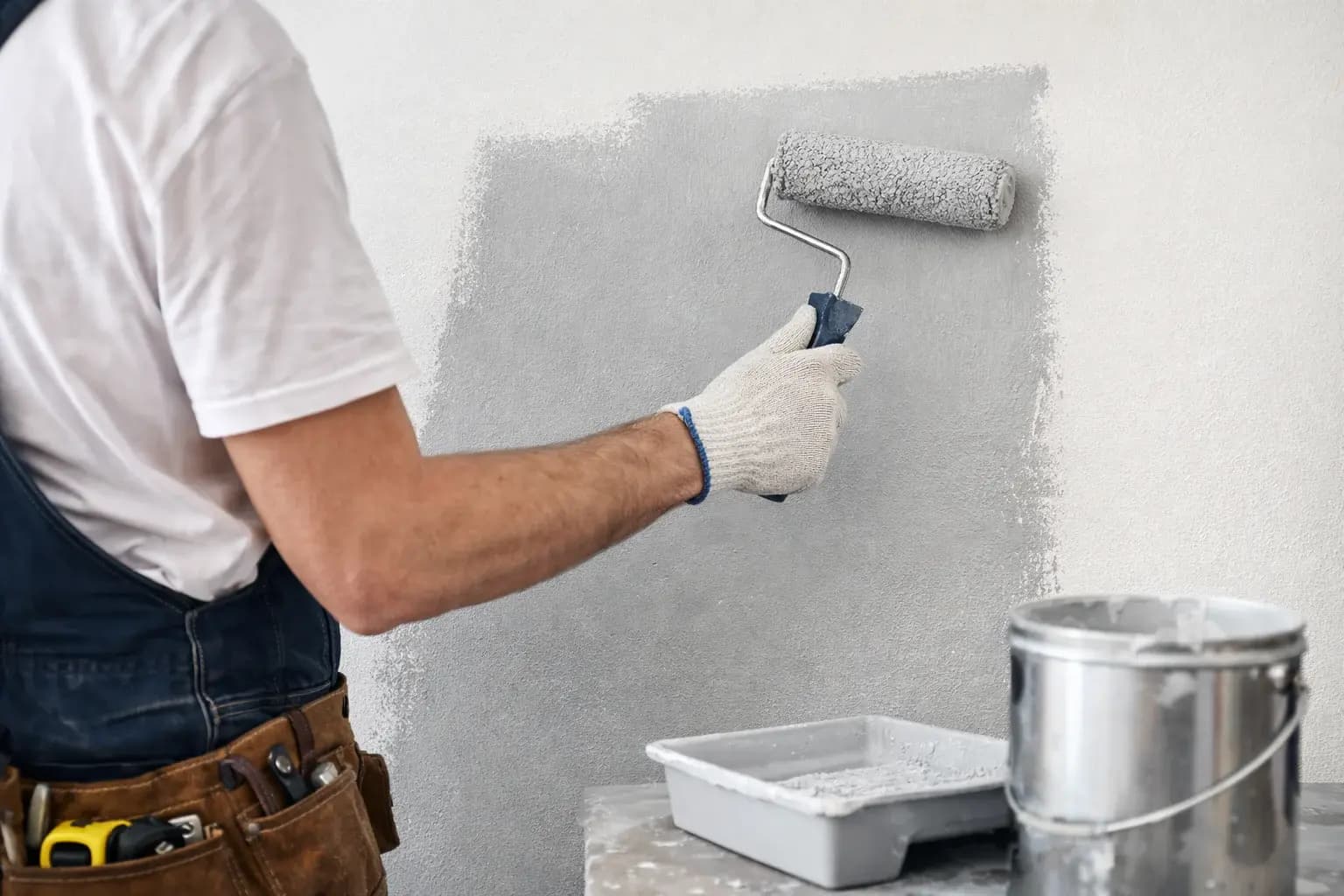
Finishing should be planned with the repair rather than added as an assumption. Preparation, coating compatibility and drying conditions affect the result. A quote can distinguish timber replacement or repair from painting and from any specialist work needed to address the cause.
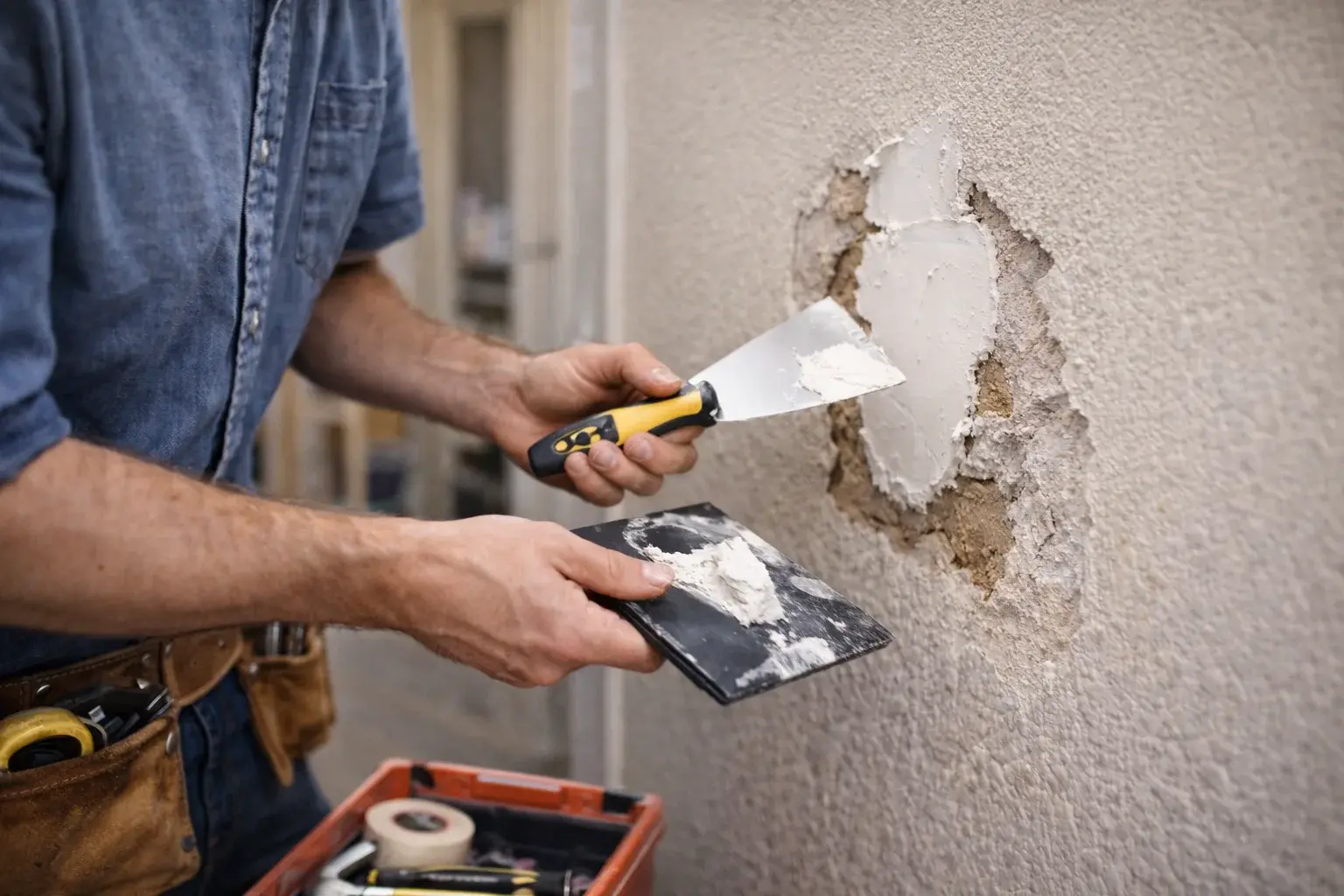
Soft or crumbling timber needs more than a coat of paint. Fix Nik can assess local deterioration in suitable non-structural trim and small timber pieces, checking whether a limited repair is practical. This service does not cover structural decay, pest treatment or a diagnosis of concealed building damage.
A small trim section may be replaceable where adjoining material is sound and a suitable profile can be obtained. Material dimensions, the existing finish and accessible fixing points influence the scope. Keeping serviceable timber is considered alongside the practicality of a lasting local repair.
Common repair scenarios
Explain the piece location and exposure. Small non-structural sections are assessed differently from posts, bearers or other supports.
Peeling paint can have several causes. Mention dampness or earlier repairs rather than assuming the visible coating is the only problem.
Show the damage without breaking more material away. The remaining sound section determines whether a local repair is suitable.
Number each timber section and record its dimensions where safe. Similar appearance does not mean every piece has the same repair scope.
Include what is known about the earlier work. A recurring defect may need its moisture source or surrounding condition addressed first.
A close photo cannot reveal concealed deterioration. Describe visible softness and let the scope remain subject to inspection.
How it works
Show the whole timber piece, its adjoining supports and close views of visible deterioration; include known moisture or earlier repair history.
Establish whether the affected piece is non-structural and whether sound surrounding material permits a focused repair.
Agree the accessible timber section, material match, preparation and any separately required specialist attention.
Confirm access to your Oakleigh property, protect nearby belongings and agree any preparation before the visit.
Follow coating and drying advice and report renewed moisture or softness; the original cause must not be hidden by a new finish.
Why Fix Nik
Show the whole timber piece, its adjoining supports and close views of visible deterioration; include known moisture or earlier repair history. Clear images help identify the questions that need answering.
Agree the accessible timber section, material match, preparation and any separately required specialist attention. The quoted task should be clear before the repair starts.
Structural decay, unstable supports, active building leaks and suspected pest damage require the relevant qualified specialist.
FAQ
Clear belongings from the immediate work area and keep access available. Show the whole timber piece, its adjoining supports and close views of visible deterioration; include known moisture or earlier repair history. Tell Fix Nik about fragile finishes, restricted entry or anything that must remain in use; dismantling the affected part yourself is not necessary.
Follow coating and drying advice and report renewed moisture or softness; the original cause must not be hidden by a new finish. If the original symptom returns, note what has changed and share a photo rather than repeatedly adjusting or covering the affected area. Follow any specific guidance agreed for the materials used.
Explain what was changed, roughly when it was done and whether the same fault has returned. Establish whether the affected piece is non-structural and whether sound surrounding material permits a focused repair. A repeated problem may point to an unresolved cause, and that history helps avoid agreeing another purely cosmetic treatment.
No. Photos help explain visible condition but cannot confirm concealed support or the extent of hidden damage. Structural decay, unstable supports, active building leaks and suspected pest damage require the relevant qualified specialist. Where the repair depends on something that cannot be checked remotely, the limitation should be resolved before proceeding.
The agreed scope should be reviewed before extending the work. Structural decay, unstable supports, active building leaks and suspected pest damage require the relevant qualified specialist. A concealed or more extensive problem may need a separate assessment, so an initial enquiry is not a promise to complete every underlying defect.
Timing depends on the condition, access and compatible materials rather than the suburb. Agree the accessible timber section, material match, preparation and any separately required specialist attention. Preparation, drying or parts availability can affect the sequence. The practical timing is discussed once enough detail is available to define the job.
Known active water entry needs appropriate attention. Replacing or coating timber without addressing continuing moisture can leave the cause in place and lead to repeated damage.
Show the whole timber piece, its adjoining supports and close views of visible deterioration; include known moisture or earlier repair history. Include your Oakleigh address and access details so suitable work can be discussed.