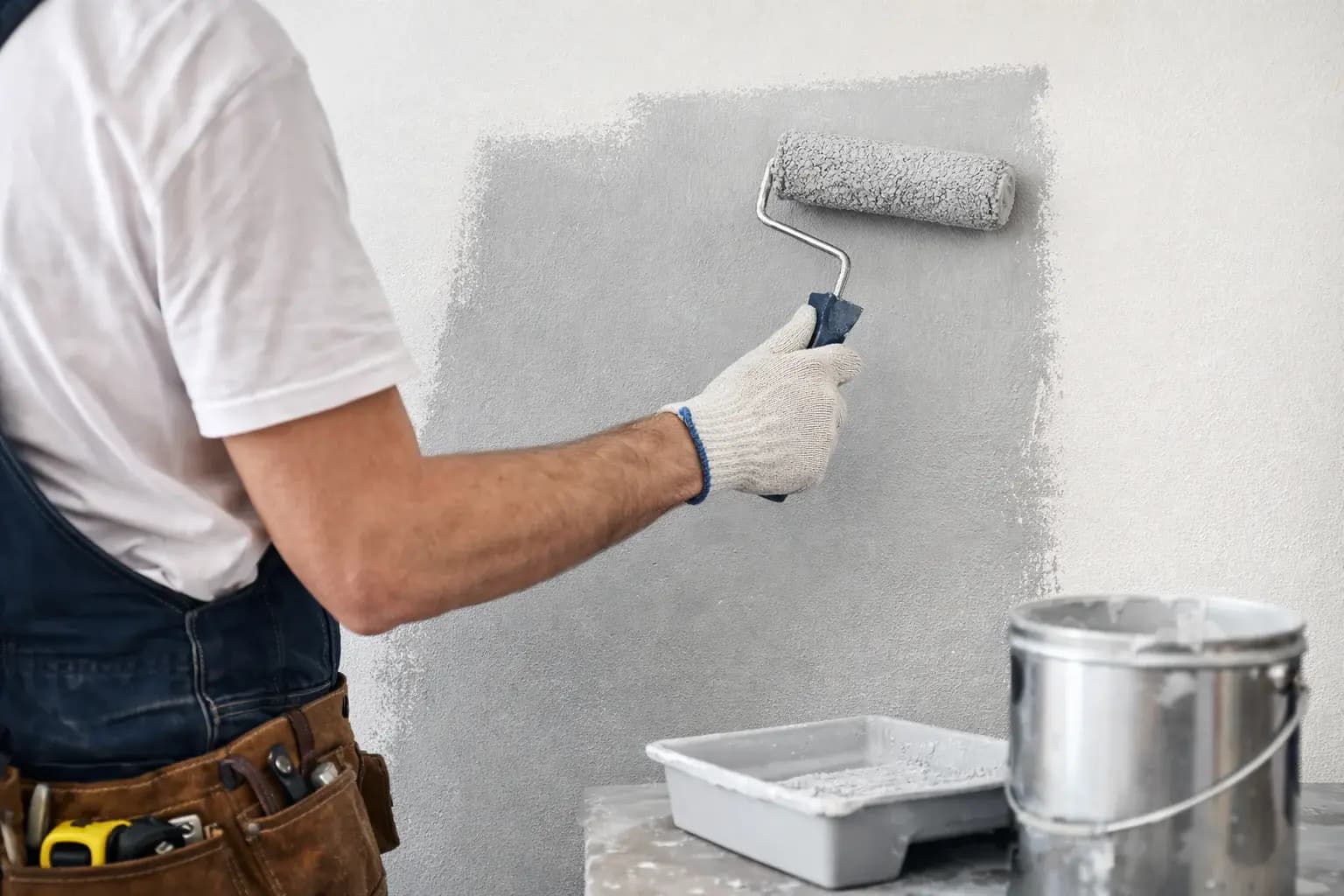
A practical internal door painting decision starts with the affected item, its condition and the surrounding materials. Protect suitable hardware and adjacent finishes, prepare compatible surfaces and apply the agreed internal-door coating.
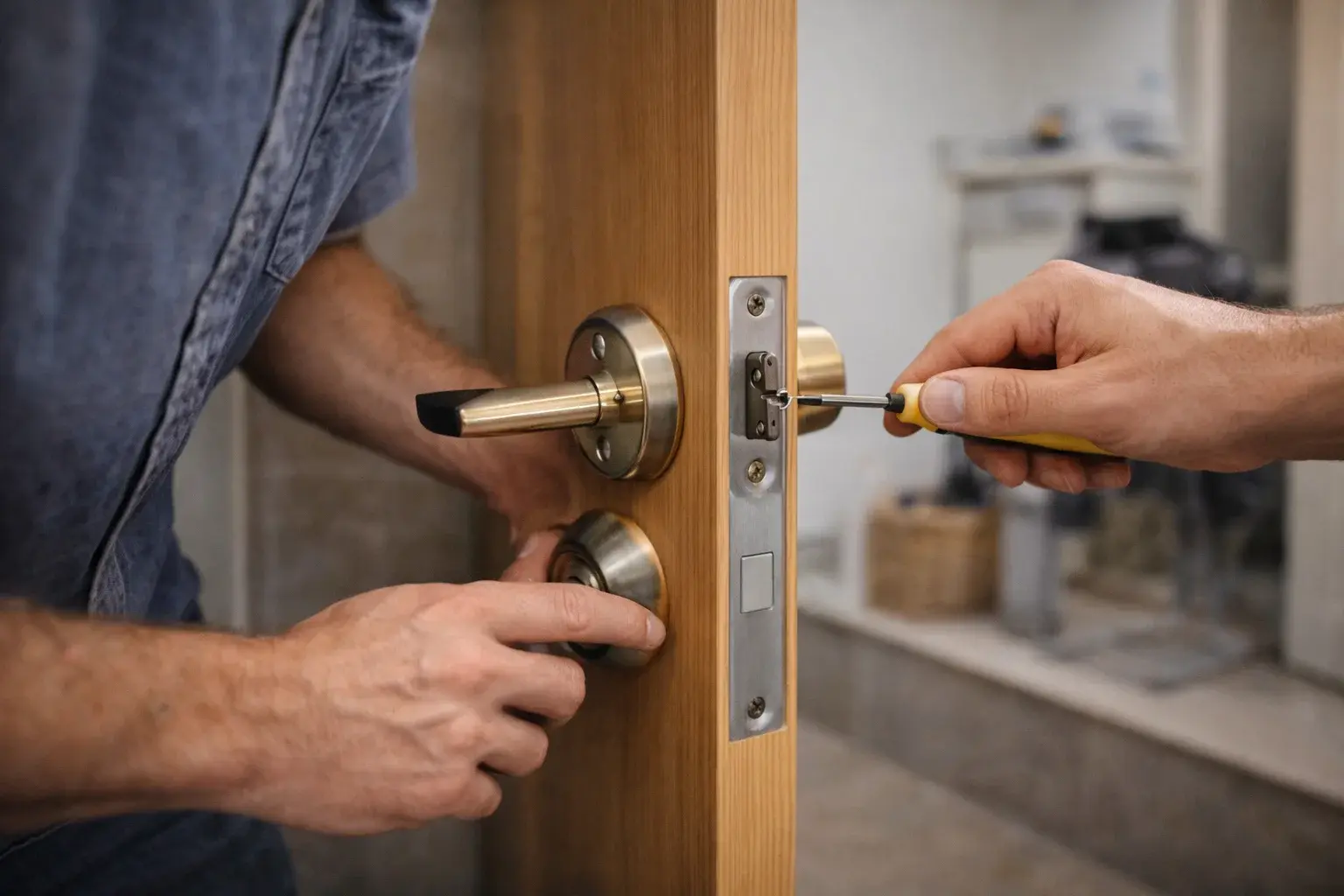
Signs: the latch, handle, hinge or ordinary running hardware no longer lines up or operates normally or the door sags, rubs, sticks or has uneven gaps around the opening. Causes: loose fixings, minor alignment drift or ordinary timber movement or local damage to an accessible component rather than an assumed structural defect.
Small marks on a sound door can suit preparation and recoating, while peeling layers or damaged material may need a different approach. Photos should show the whole leaf as well as individual chips so the overall condition is understood.
List whether the request covers one face, both faces or accessible edges. A door frame and surrounding architraves are separate surfaces. Defining those boundaries helps keep a small internal-door painting quote clear before preparation begins.
The agreed service covers small internal-door painting jobs, compatible surface preparation and agreed finish. Exclusions: Fire/smoke door certification or modifications, exterior coating systems, hazardous paint stripping, door replacement.